
Details of the Transaction and Property Profile
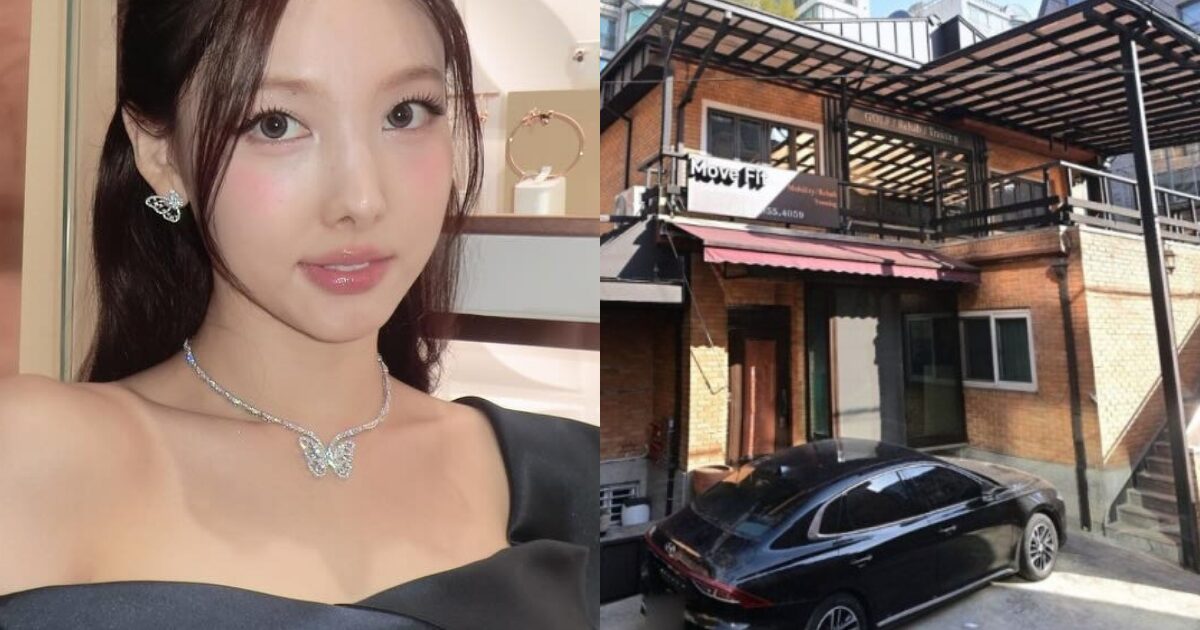
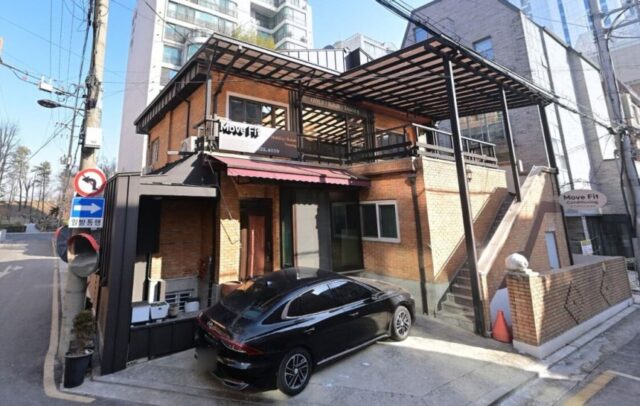
According to official real estate records and industry reports finalized on August 28, 2026, Nayeon entered into a contract to purchase a plot of land and an accompanying building in the affluent Cheongdam-dong district. The transaction was initially initiated on May 3, 2026, with the purchase price established at ₩9.50 billion KRW, which is approximately $6.88 million USD. Following a period of due diligence and financial processing, the ownership transfer was officially completed on August 24, 2026.
The property is situated in a prime location within Cheongdam-dong, an area renowned for its concentration of luxury flagship stores, high-end residential complexes, and the headquarters of major entertainment agencies, including Nayeon’s own label, JYP Entertainment. Real estate experts note that properties in this specific sector of Gangnam are considered "blue-chip" assets due to their consistent appreciation in value and high demand for commercial leasing.
The building itself is reported to be a multi-use structure, typical of the "Kko-ma" (small building) investment trend favored by South Korean celebrities. These buildings often house boutique offices, galleries, or cafes on the lower floors, with potential for residential or private use on the upper levels.
Analysis of the Financial Structure and Mortgage Registration
The primary catalyst for the current controversy is the financial filing associated with the property. Records indicate that a mortgage with a maximum secured amount of ₩10.2 billion KRW (approximately $7.39 million USD) has been registered against the building. In the context of South Korean real estate finance, the "maximum secured amount" (chaemu-jaechuk) is typically set at 120% to 130% of the actual principal loan amount to cover potential interest arrears and administrative costs.
Calculations based on this standard suggest that the actual loan amount Nayeon secured from the financial institution is likely in the range of ₩8.5 billion KRW ($6.15 million USD). Given that the total purchase price was ₩9.5 billion KRW, this indicates a Loan-to-Value (LTV) ratio of approximately 89% to 90%.
The controversy stems from the perception that such high-leverage financing is nearly impossible for the average citizen to obtain. Under current South Korean financial regulations intended to curb household debt and stabilize the housing market, ordinary borrowers face stringent LTV and Debt Service Ratio (DSR) limits, often capped at 40% to 50% for residential properties. While commercial real estate loans—often categorized as business loans—operate under different regulatory frameworks, the disparity in borrowing power has led to accusations of "special treatment" or "celebrity privilege."
Chronology of Events
The timeline of Nayeon’s real estate acquisition and the subsequent public reaction follows a structured sequence:

- May 3, 2026: Nayeon signs the initial purchase agreement for the Cheongdam-dong property for ₩9.50 billion KRW.
- May to August 2026: The period of financial arrangement, during which the mortgage is secured through a commercial bank.
- August 24, 2026: The final balance is paid, and the title deed is officially transferred to Nayeon’s name.
- August 28, 2026: Real estate news outlets and financial bloggers uncover the registration details, highlighting the ₩10.2 billion KRW mortgage.
- August 29, 2026: The news gains traction on major South Korean online communities such as theqoo and Nate Pann, leading to a viral spread of the details and the onset of public criticism.
Public Sentiment and Socio-Economic Implications
The reaction from the South Korean public has been polarized, reflecting deeper anxieties regarding the nation’s real estate market. On community forums, many netizens expressed a sense of "relative deprivation" (sangdaejeok baktalgam). This term is frequently used in South Korea to describe the psychological distress felt by the working class when witnessing the rapid wealth accumulation of the elite through means that seem inaccessible to the common man.
Common criticisms leveled against the purchase include:
- Perceived Inequality in Loan Approval: Critics argue that while the youth and middle class struggle to secure modest loans for first-time homes, celebrities are able to borrow nearly the full value of a luxury building.
- Speculation Concerns: There is a recurring public distaste for "building flipping," where celebrities buy properties using high leverage, wait for the land value to rise, and sell for a massive profit, contributing to the inflation of real estate prices in Seoul.
- Timing: The purchase comes at a time when South Korea is grappling with high interest rates and a tightening credit market for small business owners and individual consumers.
Conversely, supporters and industry analysts argue that Nayeon is a high-net-worth individual with a proven income stream spanning nearly a decade. As the first member of TWICE to debut as a soloist—achieving significant commercial success with her albums IM NAYEON and NA—her creditworthiness is objectively high. From a banking perspective, a loan to a global star with substantial liquid assets and high future earning potential is considered a low-risk transaction.
Nayeon’s Professional Standing and Financial Context
To understand the scale of this investment, one must consider Nayeon’s career trajectory. Since her debut in 2015, TWICE has become one of the best-selling girl groups in history, consistently ranking at the top of the Oricon and Billboard charts. Nayeon, often cited as the "center" of the group, has supplemented her group earnings with high-profile brand endorsements for luxury labels and successful solo ventures.

In June 2024, her solo comeback with the title track "ABCD" further solidified her individual brand power. Financial experts estimate that the collective earnings of TWICE members, combined with Nayeon’s individual revenue from streaming, physical sales, and world tours, place her in a financial bracket where a $7 million investment is a standard portfolio diversification move.
Broader Trends in Celebrity Real Estate
Nayeon is not the first K-pop idol to face scrutiny over real estate. In recent years, several high-profile figures, including members of BTS, BLACKPINK, and veteran actors, have made headlines for similar purchases. The trend of "gap investment"—buying property with a small amount of equity and a large amount of debt—has been a sensitive topic in South Korean politics for years.
In response to past controversies, the South Korean government has occasionally tightened regulations on corporate loans used for real estate purchases by individuals. However, if Nayeon’s purchase was made through a legally established personal corporation or as a legitimate business investment for leasing purposes, it likely falls within the bounds of current financial law.
Official Responses and Expert Opinions
As of the current reporting period, JYP Entertainment has not issued an official statement regarding the private financial matters of their artist. It is standard practice for agencies to remain silent on the personal real estate investments of their talent unless there is a direct legal violation involved.
Real estate consultants suggest that the purchase may not merely be a speculative move but a strategic asset management decision. "Cheongdam-dong remains the most stable real estate market in Korea," stated one Seoul-based property analyst. "For a celebrity with high liquidity, moving cash into a physical asset in a prime location is a hedge against inflation. The controversy arises not from the legality of the act, but from the optics of the debt-to-equity ratio during a period of economic hardship for the general public."
Conclusion and Future Outlook
The controversy surrounding Nayeon’s building purchase serves as a microcosm of the larger tensions within South Korean society regarding wealth distribution and the housing market. While the transaction appears to be a legal and standard investment for an individual of her financial status, it has touched a nerve in a population sensitive to perceived systemic advantages.
As the ownership of the Cheongdam-dong property settles, the focus will likely shift to how the building is utilized—whether it will be used for Nayeon’s personal business ventures or leased out to commercial tenants. For now, the "TWICE Nayeon Building" remains a symbol of the complex intersection between K-pop stardom, massive financial success, and the socio-economic realities of modern South Korea. The event underscores the reality that for global idols, their private financial decisions are often subjected to the same level of public scrutiny as their professional performances.