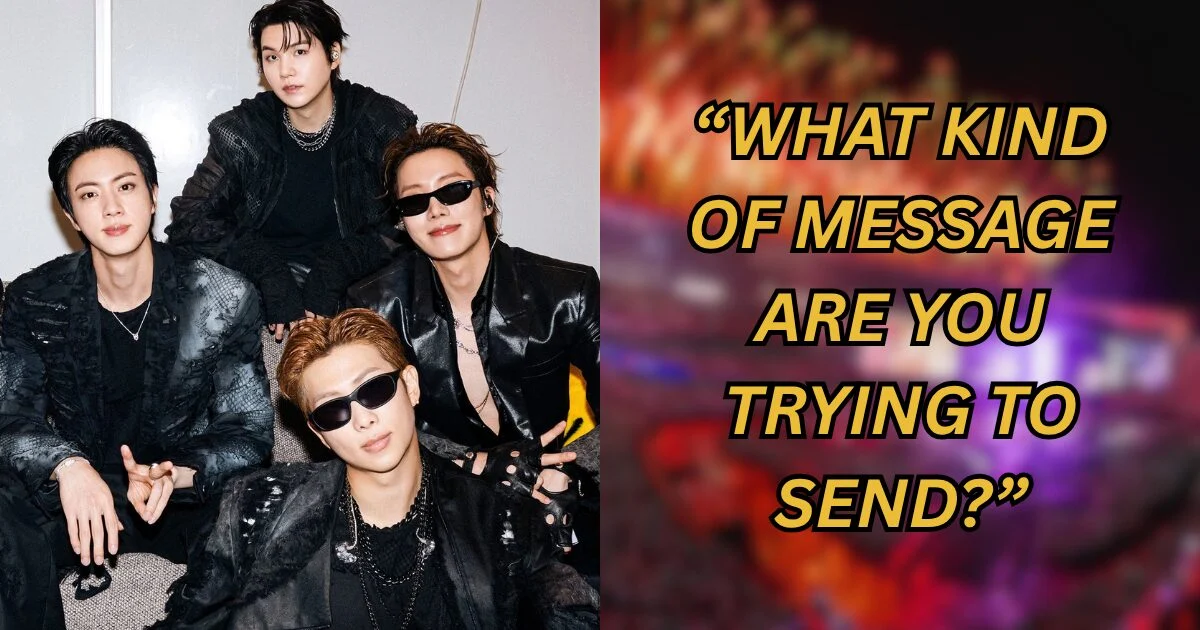
Global music icons BTS have found themselves at the center of a burgeoning controversy following their recent performance in Chicago, as fans and social critics raise concerns over the group’s perceived insensitivity toward women’s rights. The issue stems from the inclusion of a specific track in their setlist—one with ties to a convicted criminal—during a period where the group’s associations with controversial figures are already under intense scrutiny.
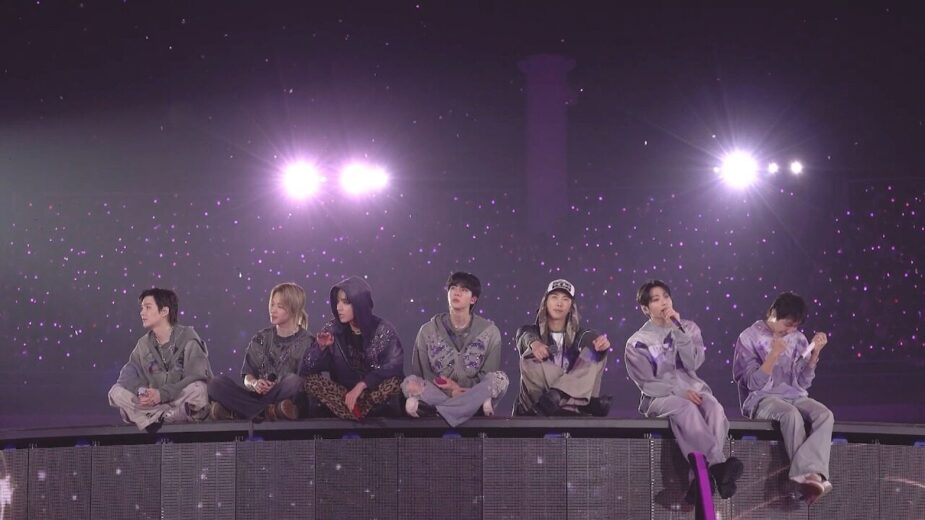
The incident occurred during the Chicago leg of the group’s "ARIRANG World Tour" on August 28, 2026. As part of a recurring segment in the tour’s programming, a DJ plays a selection of random tracks from the group’s extensive discography, prompting spontaneous performances from the members. During the second night at the United Center, the DJ selected the track "134340," a B-side from the 2018 album Love Yourself: Tear. While the song was once a fan favorite, its performance sparked immediate debate across social media platforms due to the involvement of producer Bobby Jung, also known as Jung Dae Wook.
The Significance of "134340" and the Bobby Jung Connection
The track "134340," named after the minor planet designation for Pluto, was lauded upon its release for its sophisticated jazz-influenced production and metaphorical lyrics about abandonment and identity. However, the song’s reputation shifted significantly following the legal scandals surrounding one of its credited contributors, Bobby Jung.
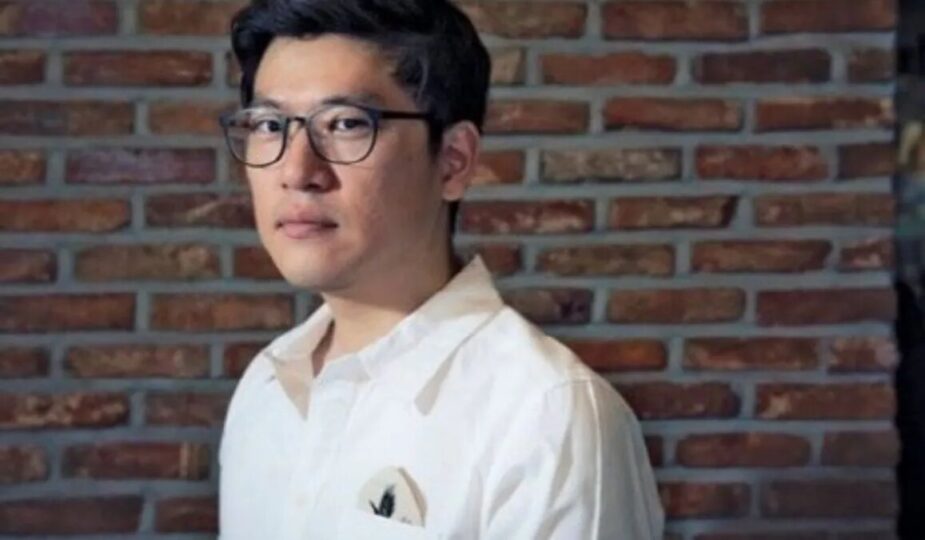
Bobby Jung, a prominent songwriter and member of the indie duo Autumn Vacation, became the subject of a major criminal investigation in 2020. He was accused of sexually assaulting a 20-year-old aspiring singer and filming the encounter without her consent. Tragically, the victim took her own life shortly after the allegations were brought to light. While Jung was initially acquitted of the sexual assault charges due to a perceived lack of evidence, a second complaint filed in 2021 led to a more comprehensive investigation.
In 2022, the Seoul Central District Court found Jung guilty of illegally filming a woman without her consent, a violation of the Act on Special Cases Concerning the Punishment, etc. of Sexual Crimes. He was sentenced to one year in prison and was subsequently banned from working in facilities serving children, youth, or individuals with disabilities for a period of five years. The case sent shockwaves through the South Korean entertainment industry, leading many collaborators to distance themselves from his work.
A History of Distancing: HYBE’s Previous Stance
Following the conviction of Bobby Jung, BTS’s management agency, HYBE (formerly Big Hit Entertainment), appeared to take a definitive stance on the matter. Fans noted that several popular tracks involving Jung, such as "Home" and "Love Maze," were conspicuously absent from recent live performances. More tellingly, when HYBE released the DVD and digital versions of the Permission to Dance On Stage concerts held in the United States and Seoul, these specific songs were edited out of the final tracklists, despite having been performed during the live shows.
This precedent led the global fanbase, known as ARMY, to believe that songs credited to Jung had been effectively "blacklisted" from the group’s official repertoire to respect the victims and maintain the group’s commitment to social responsibility. The sudden reintroduction of "134340" in Chicago—marking the first time the song has been performed live since 2019—has therefore been interpreted by many as a regression or a lack of oversight.
The Intersection with the Chris Brown Controversy
The backlash regarding the Bobby Jung-produced track does not exist in a vacuum. It follows a period of heightened tension within the BTS fandom regarding some members’ past and present associations with American R&B singer Chris Brown. Brown’s history of domestic violence, most notably his 2009 assault of Rihanna and subsequent legal issues involving women, has made him a pariah for many social justice-oriented music listeners.
When BTS members have previously expressed admiration for Brown’s music or interacted with him, a segment of the international fanbase has voiced strong opposition. The performance of a Bobby Jung song in the midst of ongoing criticism regarding Chris Brown has created what some fans describe as a "pattern of disappointment." Critics argue that for a group that has addressed the United Nations on youth empowerment and partnered with UNICEF for the "Love Myself" campaign, performing music tied to known abusers sends a contradictory and harmful message.
Divergent Fan Reactions and Social Media Discourse
The reaction to the Chicago performance has been deeply polarized. On platforms like X (formerly Twitter) and TikTok, hashtags related to the incident trended as fans debated the ethics of the song choice.
One group of fans, primarily those focused on human rights and survivor advocacy, expressed a sense of betrayal. "Playing ‘134340’ in the middle of a worldwide backlash for supporting abusers was definitely a choice," one fan wrote in a viral post. "When you know the tragic context, it feels less like a coincidence and more like a provocation." Others called for a total boycott of any tracks involving Bobby Jung, arguing that the royalties generated from these performances continue to benefit a convicted offender.
Conversely, a different segment of the fandom has come to the group’s defense. These supporters argue that the members themselves may not have direct control over the DJ’s "random" selections during that specific tour segment. They also contend that "134340" is a collective work of art involving multiple writers, producers, and the performers themselves, and that the actions of one contributor should not "cancel" the entire piece of music. Some fans have characterized the criticism as an organized attempt to tarnish the group’s reputation during a successful world tour.
Chronology of the Controversy
To understand the weight of the current backlash, it is necessary to look at the timeline of events leading up to the Chicago concert:
- May 2018: BTS releases Love Yourself: Tear, featuring "134340" with credits to Bobby Jung.
- November 2020: Allegations against Bobby Jung regarding sexual assault and illegal filming surface in South Korean media.
- 2021: A second victim comes forward; investigations are merged.
- April 2022: HYBE excludes Bobby Jung-credited songs from the Permission to Dance On Stage – Las Vegas setlists and subsequent media releases.
- December 2022: Bobby Jung is sentenced to one year in prison for illegal filming.
- August 2026: BTS embarks on the ARIRANG World Tour.
- August 28, 2026: "134340" is played during the random DJ segment in Chicago, sparking immediate global controversy.
Institutional Implications and the Path Forward
The controversy places HYBE in a difficult position. As a publicly traded company that prides itself on the "clean" and "wholesome" image of its flagship group, any association with gender-based violence is a significant PR liability. The company has yet to issue an official statement regarding the song choice in Chicago, a silence that some observers believe is exacerbating the frustration among fans.
Industry analysts suggest that this incident highlights the complexities of "cancel culture" within the global music industry, particularly in K-pop where the relationship between idols and fans is uniquely parasocial and values-driven. BTS has built its brand on the foundation of being "Speak Yourself" advocates. Therefore, the standards to which they are held are often higher than those of their Western counterparts.
The broader implication for the "ARIRANG World Tour" remains to be seen. As the group moves toward the next stops on their US and European legs, there will likely be increased scrutiny on the "random DJ" segment. Whether HYBE will quietly remove "134340" from the pool of available tracks or address the concerns head-on will be a pivotal moment in the group’s ongoing narrative of social consciousness.
For now, the discourse serves as a reminder of the power of the modern music consumer. Fans are no longer just passive listeners; they are active curators of the ethics behind the art they consume. For BTS, a group that has redefined the relationship between pop music and social activism, navigating these moral complexities is perhaps the most challenging performance of their career.