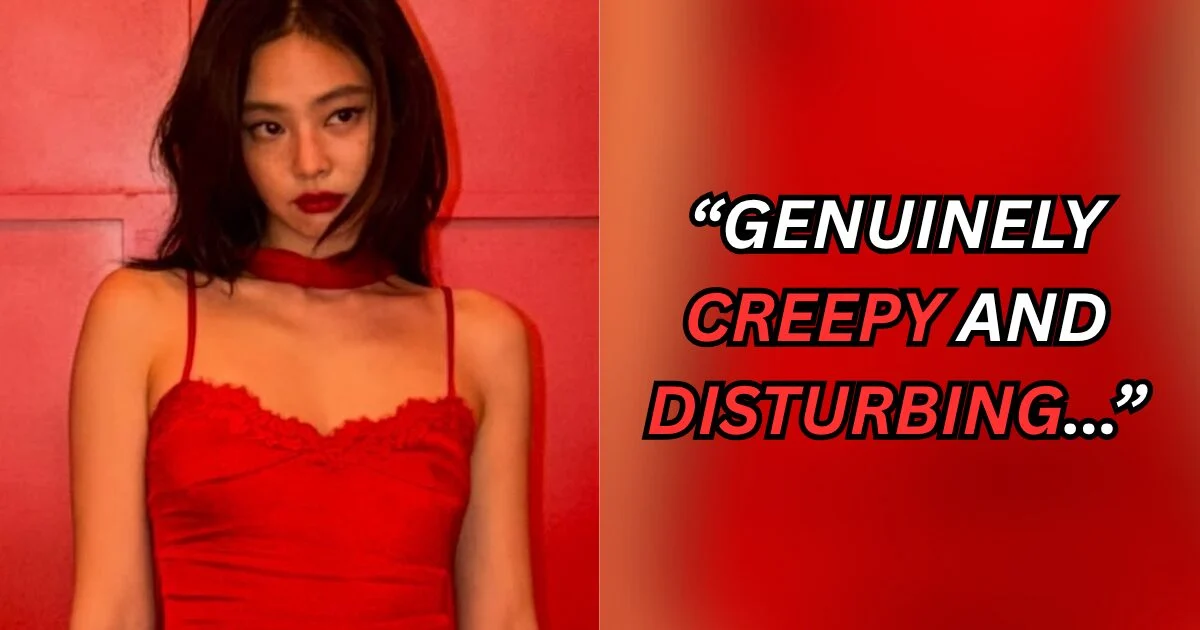
The global music landscape was recently jolted by the release of "Fallen Angel," the title track from the latest three-track EP by BLACKPINK member and solo artist Jennie. While the release was initially met with the high-octane enthusiasm typical of the artist’s global fanbase, the conversation surrounding the project shifted dramatically within 48 hours of its debut. On August 28, 2026, Jennie officially unveiled the Fallen Angel EP, which includes the tracks "Fallen Angel," "Heaven," and the pre-release single "Less Than A Lover." While the music itself has been praised for its experimental production and vocal maturity, the accompanying music video for the title track has ignited a firestorm of controversy, leading to serious accusations regarding the use of child actors and the inclusion of alleged "Satanic" imagery.
Detailed Chronology of the Controversy
The rollout for Jennie’s solo project began in early August 2026, with the pre-release of "Less Than A Lover." That track, a synth-heavy R&B ballad, was received with general acclaim and set a sophisticated, darker tone for the upcoming EP. On August 28, at 1:00 PM KST, the full Fallen Angel EP was released across all major streaming platforms, accompanied by the high-budget music video for the title track.
Within hours of the release, the music video garnered tens of millions of views, trending at number one on YouTube in over 40 countries. However, by the evening of August 29, the narrative began to shift on social media platforms like X (formerly Twitter), TikTok, and various South Korean community forums. Short clips of the video’s final sequence began to circulate, stripped of their musical context, leading to a wave of criticism. By August 30, the discourse had evolved from artistic critique to serious allegations, with hashtags related to the video’s imagery trending globally.
The Visual Content at the Center of the Debate
The primary source of the backlash is the music video’s concluding sequence, which many viewers have described as "chilling" and "disturbing." In this scene, a group of approximately a dozen children, estimated to be between the ages of six and ten, are depicted wearing monochromatic white robes. Their faces are obscured by sheer red veils, a visual choice that critics argue creates an ominous and dehumanizing effect.
The children are seen leading the viewer toward a burning Victorian-style house. As the camera follows them through the threshold, it reveals a surreal interior: a thicket of black thorns where a young girl sits. This child is dressed identically to Jennie, suggesting a symbolic representation of the artist’s younger self or a loss of innocence. The scene culminates with the camera panning to show Jennie standing in the center of the room, surrounded by the children, each of whom holds a lit candle. The flickering candlelight, combined with the red veils and the backdrop of a burning structure, has led many to interpret the scene as a depiction of an occult or "Satanic" ritual.
Public Reaction and "Satanic" Accusations
The reaction from netizens has been sharply polarized. One segment of the audience, primarily consisting of long-time fans and art critics, views the video as a masterpiece of cinematic storytelling. They argue that the "Fallen Angel" theme is a classic literary trope representing a descent from grace, and that the children symbolize the innocence that is lost or "sacrificed" in the pursuit of fame and the pressures of the entertainment industry.
Conversely, a vocal group of critics has condemned the imagery as irresponsible. The accusations generally fall into two categories: the promotion of occultism and the ethical concerns of using children in such a dark context. On social media, some users pointed to the title "Fallen Angel" as a direct reference to Lucifer, arguing that the rituals depicted in the video are intentional nods to Satanism.
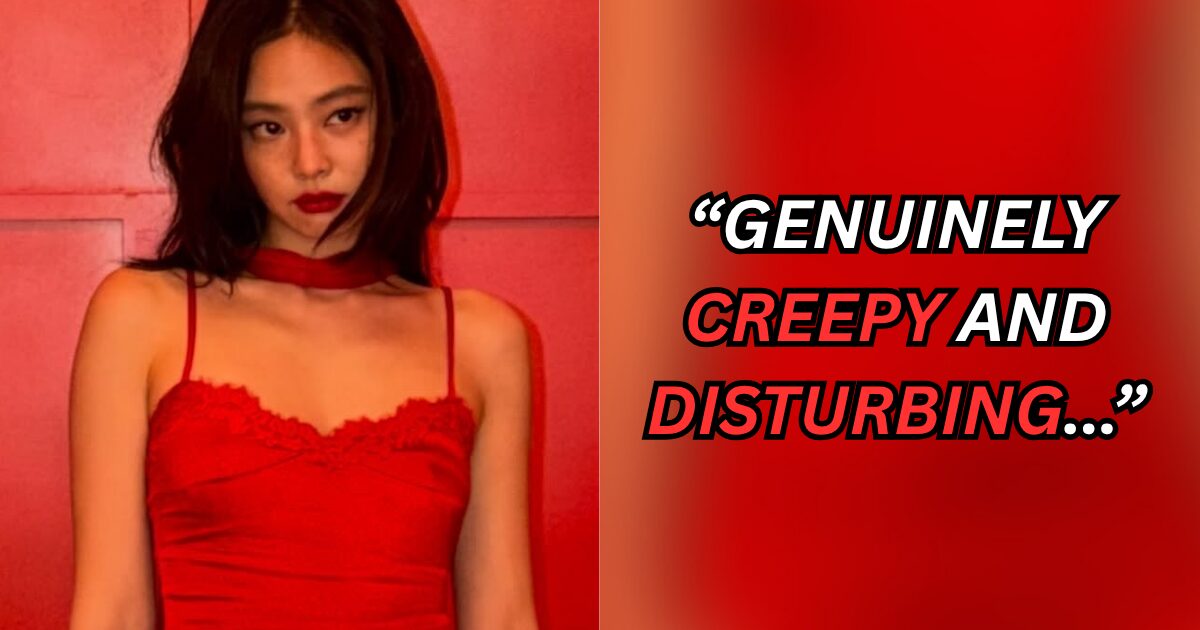
One widely shared post on X stated, "Dressing children in red and having them hold candles around a flame like this is genuinely creepy and disturbing, especially with the ritual imagery it evokes. She’s weird for this." Another user drew parallels to broader conspiracy theories, suggesting that using children as "pawns" in high-concept music videos is inherently predatory, regardless of the artistic intent. The mention of the "Epstein files" by some netizens indicates a heightened sensitivity toward any media depiction involving children in potentially suggestive or ritualistic settings, even if the context is purely fictional.
Artistic Intent vs. Ethical Responsibility
In the professional creative industry, the use of provocative imagery is often a calculated move designed to spark conversation and ensure a project’s longevity in the public consciousness. Directorial choices in K-pop have increasingly leaned toward "dark concepts" as artists seek to transition from the "idol" image to that of a serious "artist."

Jennie, who has been a fashion and cultural icon for nearly a decade, has frequently pushed the boundaries of traditional K-pop aesthetics. The Fallen Angel EP is seen as her most personal and avant-garde work to date. From a technical standpoint, the cinematography of the video is world-class, utilizing high-contrast lighting and complex set designs to create a gothic, ethereal atmosphere.
However, the ethical debate centers on whether children should be involved in such mature themes. While child actors are common in film and television, the abstract and often misinterpreted nature of music videos can create a different set of challenges. Critics argue that even if the children were in a safe environment on set, the final product places them in a narrative that many find offensive or spiritually threatening.
Supporting Data and Market Impact
Despite the controversy—or perhaps because of it—"Fallen Angel" has seen unprecedented streaming numbers. In the first 48 hours, the music video surpassed 65 million views on YouTube. On Spotify, the EP’s tracks collectively reached over 20 million streams within the same timeframe.
Data from social media analytics tools show that "Jennie" and "Fallen Angel" were mentioned over 2.5 million times on X in the three days following the release. Sentiment analysis indicates that while 55% of the conversation is positive or neutral (focused on the music and fashion), approximately 30% is negative, specifically citing the "Satanic" and "child usage" concerns. The remaining 15% consists of general news reporting and industry analysis.
This trend follows a long history of "moral panics" in the music industry. Similar backlashes were seen during the careers of Western artists like Madonna, Lady Gaga, and more recently, Sam Smith and Lil Nas X. In these cases, religious and conservative groups often lead the charge against what they perceive as the erosion of traditional values, while the artists typically see a boost in chart performance due to the increased visibility.

Industry Responses and Future Implications
As of the current reporting, Jennie’s independent label, Odd Atelier (OA), has not issued a formal statement addressing the specific accusations of "Satanic" imagery. However, sources close to the production team suggest that the video was intended to be a "visual poem" about the burdens of public life and the internal fire required to survive in the industry.
Industry experts suggest that the controversy is unlikely to hinder Jennie’s career in the long term. In fact, it may solidify her status as a global provocateur who is unafraid to challenge the status quo. "In the world of high-concept pop, being called ‘dangerous’ or ‘controversial’ can often be a badge of honor," says one K-pop industry consultant. "It moves the artist away from the sanitized ‘idol’ box and into the realm of global icons who dictate culture rather than just following it."
However, the backlash serves as a reminder of the delicate balance global stars must strike. As K-pop continues to expand into markets with diverse religious and cultural backgrounds, the interpretation of artistic symbols becomes increasingly complex. What may be viewed as a "cinematic metaphor" in Seoul or Paris might be seen as a "spiritual threat" in other parts of the world.
Conclusion: A Divided Legacy for "Fallen Angel"
The Fallen Angel era has undoubtedly begun with a bang, ensuring that Jennie remains the center of the global pop culture conversation. While the accusations of "using kids" for "Satanic rituals" are serious and reflect a genuine discomfort among a segment of the public, the artistic merit of the project continues to be a point of defense for many.
As the dust settles, the focus will likely return to the music itself. Whether "Fallen Angel" will be remembered as a bold step forward in artistic expression or a cautionary tale of creative overreach remains to be seen. For now, the debate continues to rage, highlighting the immense power and scrutiny that comes with being one of the world’s most influential entertainers. The chronology of this event suggests that while the initial shock may fade, the conversation regarding the ethics of imagery in the digital age is far from over.