
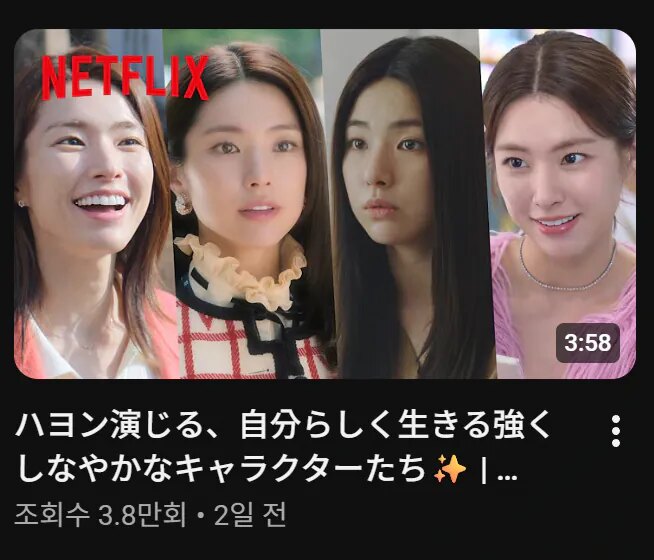
The latest development surrounding actress Ha Young, a special video released by Netflix Japan featuring the artist, has ignited a fresh wave of public outrage across South Korea. This renewed criticism stems from persistent allegations concerning her great-grandfather, Ahn Sang Ho, and his purported pro-Japanese activities during the Japanese colonial period. The public’s reaction has been overwhelmingly negative, with many netizens suggesting she focus her promotional efforts exclusively in Japan, indicating a deep-seated rejection of her continued presence in the Korean entertainment landscape amidst the unresolved historical controversy.
The Lingering Shadow of Colonial Collaboration in South Korea
To understand the intensity of the backlash against Ha Young, it is crucial to acknowledge the profound historical sensitivities that permeate South Korean society. The period of Japanese colonial rule from 1910 to 1945 remains a deeply painful and contentious chapter in Korean history. The concept of "Chinilpa" (친일파), referring to pro-Japanese collaborators who actively aided the colonial regime, evokes strong condemnation and nationalistic sentiment. These individuals are often perceived as having betrayed their nation during a time of immense suffering and oppression.

Post-liberation, efforts to fully investigate and penalize Chinilpa were often incomplete or politically obstructed, leading to a lingering sense of historical injustice. Descendants of alleged collaborators frequently face social ostracization and public scrutiny, particularly if they are public figures. The public often demands that such individuals acknowledge their ancestors’ past, express remorse, or actively engage in efforts to promote historical justice. This historical context forms the bedrock of the severe reaction to any public figure linked, however remotely, to colonial-era collaboration.
Chronology of Controversy: From Family History to Public Scrutiny
The controversy surrounding Ha Young initially came to light through a television appearance that, ironically, was intended to celebrate her family’s accomplishments.
1. The Revelation on KBS’s Problem Child in the House (Early 2026):
Ha Young appeared as a guest on the popular KBS program Problem Child in the House. During her segment, she spoke proudly about her family’s generations-long legacy of medical professionals. It was during this discussion that her great-grandfather, Ahn Sang Ho, was mentioned. Following the broadcast, vigilant netizens and historical researchers quickly began investigating Ahn Sang Ho’s background. Historical records and academic research soon pointed to his alleged involvement in various pro-Japanese organizations and activities during the colonial era. These accusations included participating in organizations that promoted Japanese imperial policies, contributing to wartime efforts, and publicly endorsing the colonial administration. The revelation immediately sparked a significant outcry on online forums, social media platforms, and news comment sections, with many Koreans expressing shock and anger that a descendant of an alleged Chinilpa was actively promoting her family’s history on a national broadcaster without addressing the controversial aspects.

2. Initial Public Outcry and Calls for Accountability (Mid-2026):
The initial backlash was swift and severe. Online communities were flooded with demands for Ha Young to issue a formal apology, clarify her stance, or even withdraw from her ongoing projects. Public sentiment largely coalesced around the idea that ignorance of one’s family history, especially one tied to national trauma, was unacceptable for a public figure. Ha Young’s agency, while not issuing a detailed apology regarding the historical allegations, reportedly acknowledged the public’s concerns and stated they were "looking into the matter." However, this response did little to quell the rising tide of criticism. The incident led to widespread discussions about the responsibility of public figures regarding their ancestral history and the persistent trauma of colonial rule.
3. The Drama Set Incident and Lack of Public Sympathy (Late 2026):
Amidst the ongoing controversy, reports emerged from the set of Ha Young’s then-upcoming drama, detailing that the actress had reportedly broken down in tears during filming. This information, often disseminated through entertainment news outlets, was perhaps intended to garner sympathy for the actress, portraying her as a victim of the intense public scrutiny. However, the move largely backfired among Korean netizens. Instead of empathy, the public reacted with further indignation, viewing her emotional distress as self-pity rather than genuine remorse for the historical implications. Comments frequently highlighted the perceived disconnect between her personal suffering and the much larger historical suffering her alleged ancestor contributed to, solidifying the public’s stance that her tears were not enough to absolve her or her family’s past. This incident underscored the deep-seated public expectation for accountability over emotional appeals when historical controversies are involved.
4. The Netflix Japan Special: A Catalyst for Renewed Backlash (Present – Early September 2026):
The most recent development, the release of a special video featuring Ha Young by Netflix Japan, has acted as a potent catalyst, reigniting the entire controversy with renewed vigor. The timing and platform of this release were particularly problematic for the Korean public. For many, the decision by Netflix Japan to feature Ha Young, especially given her recent domestic struggles with historical allegations, was perceived as insensitive, tone-deaf, or even a deliberate attempt to sidestep Korean public opinion by promoting her in a foreign market.
Netizens expressed profound anger that while Ha Young faced severe criticism and calls for accountability in her home country, she was seemingly being embraced and promoted by a Japanese platform. The sentiment "she should just promote in Japan instead" became a common refrain, reflecting a sense of betrayal and a desire for her to distance herself entirely from the Korean entertainment industry if she or her platforms do not address the historical issues adequately. This incident has also brought Netflix under scrutiny in Korea, with some questioning its awareness of domestic Korean sensitivities and historical context, leading to discussions about potential boycotts or increased pressure on Netflix Korea to address the issue.
Analysis of Implications and Broader Impact
The recurring controversy surrounding Ha Young carries significant implications for her career, the broader South Korean entertainment industry, and the ongoing national discourse on historical memory.
For Ha Young’s Career: The persistent and cyclical nature of the backlash suggests a formidable challenge to her career longevity in South Korea. The "Chinilpa" label, however indirect, is a powerful and often career-ending stigma. Future casting directors, advertisers, and producers may become increasingly hesitant to work with her due to the high risk of negative public reaction, boycotts, and damage to their own brand image. Her attempts to garner sympathy have been unsuccessful, indicating that the public demands a more direct and substantial form of acknowledgment or atonement regarding the historical allegations. Her pivot towards international markets, as potentially indicated by the Netflix Japan special, might offer an alternative path, but it remains to be seen if international audiences would be entirely immune to the controversy, especially with the global reach of K-culture.
For the Entertainment Industry: This case serves as a stark reminder to entertainment agencies and broadcasters about the critical importance of conducting thorough background checks on their artists, particularly concerning family histories that might intersect with sensitive national issues. It underscores the unique challenges of managing celebrity careers in a society deeply affected by historical trauma. There is an increasing expectation for public figures to not only be talented but also to embody values of historical consciousness and social responsibility. Agencies might be compelled to develop more robust strategies for handling historical controversies, moving beyond mere damage control to proactive engagement with public sentiment and historical facts.
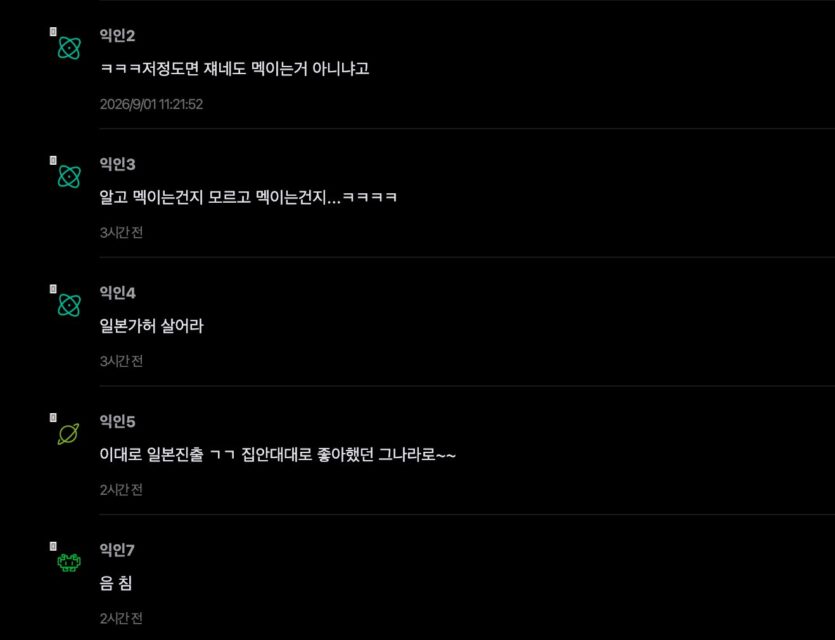
Societal Discourse on Historical Memory: The Ha Young controversy is a microcosm of a larger, ongoing societal debate in South Korea about collective memory, individual responsibility versus ancestral actions, and the mechanisms of historical justice. It highlights the power of online communities in shaping public discourse and holding public figures accountable. The continued intensity of the backlash, years after the initial revelation, demonstrates that these historical wounds remain open and that the public is unwilling to easily forgive or forget issues related to collaboration during colonial rule. It reinforces the idea that for many Koreans, national identity and historical consciousness are inextricably linked, and any perceived affront to this collective memory will be met with strong opposition.
Conclusion
The controversy surrounding actress Ha Young continues to unfold, illustrating the profound and enduring impact of historical grievances on contemporary South Korean society. The latest special from Netflix Japan has not only failed to rehabilitate her image domestically but has exacerbated public anger, cementing the perception that she is either unwilling or unable to adequately address the serious historical allegations against her great-grandfather. As long as these historical questions remain unresolved in the public’s eye, Ha Young’s career in South Korea faces an uphill battle, serving as a powerful testament to the unwavering importance of historical integrity and accountability in the nation’s cultural landscape. The situation underscores the delicate balance public figures must maintain between their personal lives and the collective memory of a nation scarred by its past.