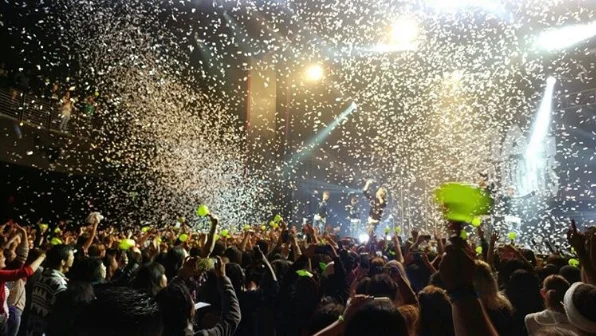
The rise of fandom has transformed from a niche hobby into a formidable movement within contemporary celebrity culture, reshaping how influence is wielded in the digital age. Across the globe, major figures in music, gaming, and social media have cultivated massive, organized fan bases that transcend traditional demographics. These groups, often unified under a singular "fandom name," operate with a primary objective: to support, protect, and amplify their chosen celebrity. In the context of the 21st century, the convergence of social media and globalization has dismantled physical and cultural barriers, allowing these communities to exert power on a scale previously reserved for political organizations or multinational corporations. While these movements have demonstrated a profound capacity for philanthropy and social justice, they also present a complex duality, occasionally becoming weaponized against the very values they claim to uphold.
The Sociological Engine: Collectivism and Globalization
To understand the potency of K-pop fandoms, one must examine the intersection of sociological theory and the globalized economy. Social movements are defined by sociologists as forms of collective action spanning diverse networks of individuals and groups, working toward a shared goal that arises from a collective identity. K-pop fandoms—which encompass millions of people across every continent, age group, and socioeconomic background—perfectly encapsulate this definition. Their unity is not merely a product of shared taste but is deeply rooted in the cultural concept of collectivism.
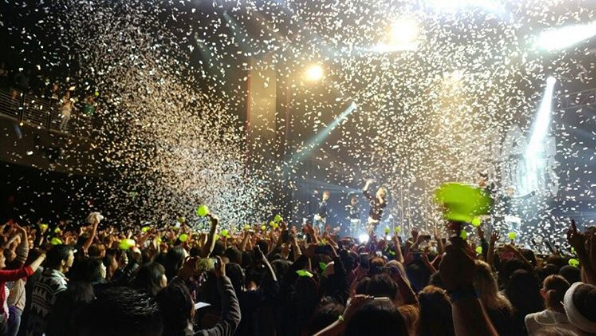
In many Asian cultures, including South Korea, collectivism emphasizes the well-being of the community over the individual. This cultural framework is embedded in the K-pop industry, from the way groups are marketed to the intense relationship fostered between idols and their fans. When this collectivist mindset is exported globally through the "Hallyu" or Korean Wave, it creates a highly disciplined and efficient network of supporters. Unlike Western fandoms, which often operate as a loose collection of individuals, K-pop fandoms function as a digital army, synthesizing millions of individual efforts into singular, tangible results.
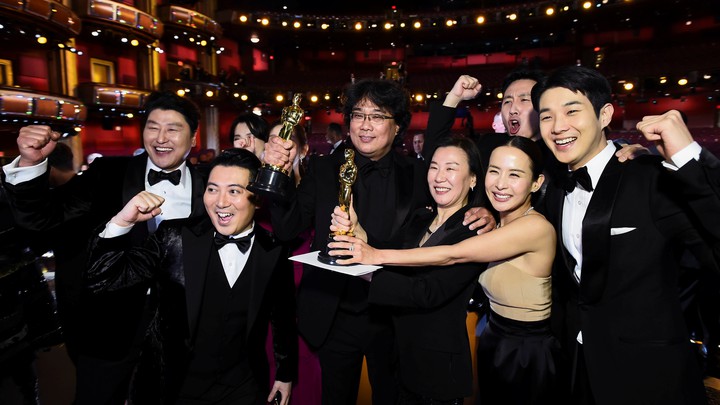
Globalization has served as the primary vehicle for this expansion. It is the process of economic, social, and cultural exchange that allows ideas to gain traction far beyond their borders of origin. South Korea’s success in this arena is unparalleled. From the historic Oscar sweep of Bong Joon-ho’s Parasite in 2020 to Youn Yuh-jung’s Best Supporting Actress win in 2021, Korean culture has permeated the global mainstream. K-pop remains the most visible facet of this influence, with groups like BTS selling out global stadium tours and dominating Western media outlets such as Vogue and Refinery29.
A Chronology of Digital Mobilization and Social Impact
The power of K-pop fandoms transitioned from the musical sphere to the political and social spheres most notably during the year 2020. This period served as a turning point, proving that these digital communities could influence real-world events and international discourse.
June 4, 2020: In the wake of global protests for racial justice, the group BTS and their label, Big Hit Entertainment (now HYBE), announced a $1 million donation to the Black Lives Matter (BLM) movement. This act served as a catalyst for the fandom, known as ARMY.
June 5–7, 2020: Within 24 hours of the announcement, the fan-led organization "One in an ARMY" launched the #MatchAMillion campaign. Utilizing Twitter as a command center, the fandom mobilized its global network to match the group’s donation. By June 7, the group had raised over $1 million from individual micro-donations, a feat that drew praise from activists and media outlets worldwide for its speed and coordination.
June 20, 2020: K-pop fans, alongside TikTok users, were credited with disrupting a high-profile campaign rally for then-President Donald Trump in Tulsa, Oklahoma. By coordinating through social media to reserve thousands of tickets with no intention of attending, fans contributed to a significantly lower-than-expected turnout. While the direct impact remains a subject of debate among political analysts, the event signaled the potential for fandoms to engage in sophisticated digital activism and political "trolling" on a massive scale.
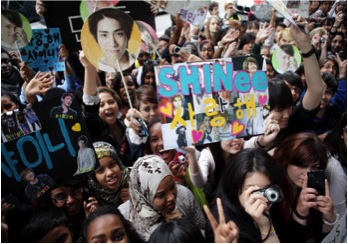
Ongoing Digital Counter-Protest: Throughout the summer of 2020, K-pop fans utilized their numbers to drown out racist rhetoric on social media. When the hashtag #WhiteLivesMatter began trending, fans hijacked the tag by flooding it with "fancams" (short videos of idols performing). This tactic effectively rendered the original hashtag useless for its intended purpose, showcasing a new form of digital community policing.
The Data Behind the Digital Movement
The scale of K-pop fandom influence is reflected in staggering digital metrics. Twitter’s internal data consistently shows that K-pop is one of the most discussed topics on the platform, with billions of tweets generated annually. This volume is not accidental; it is the result of organized "comeback" strategies where fans coordinate timing to ensure their favorite artists trend globally.
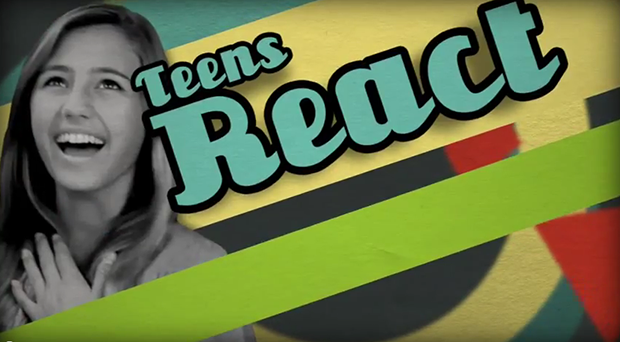
In the case of the #MatchAMillion campaign, the data revealed a highly decentralized but disciplined structure. Contributions came from over 80 countries, with many fans donating as little as one dollar. This "crowdsourced philanthropy" model allows a massive group to achieve financial goals that would be impossible for smaller, wealthier organizations. Furthermore, the use of reaction videos—a genre where creators analyze K-pop music videos—creates a feedback loop of engagement. Channels such as "ReacttotheK," which focuses on the technical musicality of K-pop, have turned fandom into an educational and analytical pursuit, further deepening the bond between the audience and the content.
Official Responses and the Corporate Feedback Loop
The relationship between fans and the K-pop industry is a delicate symbiosis. Management companies are acutely aware that their financial success depends on maintaining the goodwill of the fandom. Consequently, they often adjust their corporate strategies to align with fan demands.
For example, when Stray Kids member Hyunjin faced bullying allegations in early 2021, the fandom (STAY) launched massive hashtag campaigns to show support and demand his return to activities. In such instances, the fandom acts as a pressure group. Companies must weigh the potential for public relations backlash against the risk of alienating their primary revenue source. This dynamic creates a "social movement" atmosphere where the goal is not just to support an artist, but to influence the governance and decisions of multi-million dollar entertainment corporations.
The Paradox of Protectionism: Critical Implications
Despite the positive headlines regarding philanthropy and political activism, the weaponization of fandom power has a documented "dark side." The same collectivist energy used to raise millions for charity is frequently redirected toward silencing dissent or obscuring inconvenient truths.
One prevalent practice is "clearing the searches." When an idol is involved in a scandal or faces criticism, fans coordinate to flood search engines and social media platforms with positive keywords and images. While fans view this as a protective measure, critics argue it is a form of information manipulation that prevents honest discussion about accountability.
Furthermore, minority fans within these communities have reported feeling marginalized by the very movements that claim to be inclusive. Black K-pop fans, in particular, have spoken out about being "dogpiled" or harassed when they raise concerns about cultural appropriation or the use of offensive language by idols. In these cases, the "common goal" of protecting the idol takes precedence over social justice for community members. This reveals a fundamental truth about fandom-based social movements: the primary objective is almost always the preservation of the celebrity’s image rather than the advancement of a broader social cause.
Broader Impact and the Future of Digital Activism
The transformation of K-pop fandoms into social movements represents a paradigm shift in the digital age. It demonstrates that the infrastructure of celebrity worship can be repurposed for significant social and political ends. However, the academic and social consensus remains cautious. While the BTS ARMY’s donation to Black Lives Matter was a landmark event in digital philanthropy, it was a movement centered around the actions of a celebrity.

The broader implication is that we are entering an era where "fan activism" may become a standard tool in the political and social toolkit. However, the distinction between true activism—which seeks systemic change—and fandom mobilization—which seeks to uplift a specific individual—remains sharp. As long as the movement’s North Star is a person rather than a principle, its impact will be subject to the whims and reputations of the idols at its center.
In conclusion, K-pop fandoms have proven that they are more than just consumers; they are a sophisticated, global, and highly organized force capable of influencing elections, raising millions for charity, and shaping international culture. Yet, as these groups continue to grow in power, the world must grapple with the reality that their primary allegiance is to their idols. Fandom is a powerful engine for change, but it is an engine fueled by devotion, not necessarily by justice. The challenge for the future lies in whether these massive digital collectives can eventually decouple their power from celebrity worship to address the systemic issues they have only just begun to touch.