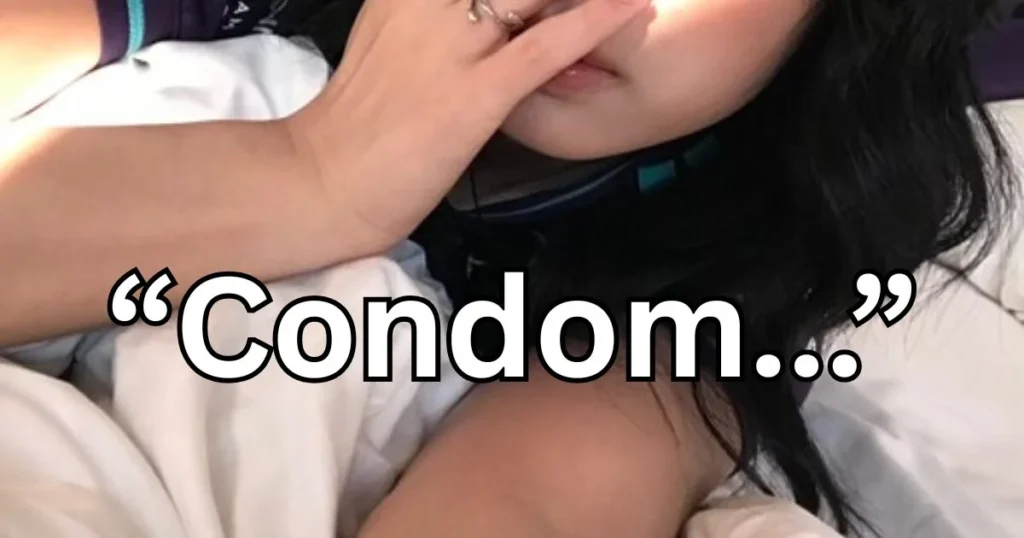
The digital landscape of the global K-pop industry is built upon the direct, real-time connection between artists and their international fanbases. However, this immediacy often relies on automated translation software, a tool that proved once again to be a double-edged sword for BABYMONSTER member Ahyeon. On September 1, 2026, an interaction on the fan-communication platform Weverse became a viral sensation after the app’s auto-translation feature erroneously translated a comment from the idol into a startling and inappropriate phrase regarding a "pink condom."
The incident, while quickly identified as a technical error by the artist and her followers, has reignited discussions regarding the reliability of artificial intelligence in cross-cultural communication and the pressures idols face when navigating global platforms. Ahyeon, a central figure in YG Entertainment’s newest girl group, reacted with visible shock, eventually switching to English to clarify her intent, a move that was praised by fans for its wit and quick thinking.
The Incident: A Technical Malfunction on Weverse
The situation unfolded during a standard engagement session on Weverse, a platform developed by HYBE’s technology subsidiary, Weverse Company. Ahyeon was responding to fan comments and sharing personal updates in her native Korean. One specific post, intended to express her affinity for a particular color or item—likely involving the Korean word for "comfort" or a specific brand name that sounds phonetically similar to other terms—was processed by the Weverse built-in translator.
International fans, who rely on the "Translate" button to understand Korean posts, were met with an English rendition that read: “I like pink condoms.” Given the strict conservative standards often associated with the K-pop industry and the young age of many BABYMONSTER members, the translation caused an immediate surge in engagement. Within minutes, screenshots of the mistranslation began circulating across social media platforms, particularly X (formerly Twitter) and TikTok.
Ahyeon herself noticed the error almost immediately. In a rare move for a K-pop idol—who are often instructed to ignore technical glitches—she directly addressed the awkwardness. Realizing that the Korean-to-English algorithm had failed her, she posted a follow-up message in English to express her own disbelief and to correct the narrative before it could be misinterpreted by a wider audience.
Chronology of the Viral Event
The timeline of the event illustrates how quickly a minor technical glitch can become a global talking point within the K-pop ecosystem:
- September 1, 2026, Evening (KST): Ahyeon begins interacting with fans on Weverse, posting several messages in Korean about her daily life and preferences.
- 10:10 PM (KST): A specific comment is posted by Ahyeon. International fans clicking the translation feature receive the "pink condom" text.
- 10:15 PM – 10:30 PM (KST): The translation goes viral on X. Fans use humor to highlight the absurdity of the translation, while others express concern that the idol might face professional repercussions for a mistake she did not technically make.
- September 2, 2026, Midnight (KST): Ahyeon returns to the platform. She acknowledges the mistranslation, expressing shock. Her decision to use English serves as a definitive correction, signaling to her international fanbase that the previous translation was entirely inaccurate.
- September 2, 2026, 10:00 AM (KST): Major K-pop news outlets and community forums begin documenting the incident, focusing on the "iconic" nature of Ahyeon’s reaction rather than the content of the mistranslation itself.
Contextual Background: BABYMONSTER and Ahyeon
To understand the weight of this incident, one must consider Ahyeon’s position within the industry. BABYMONSTER, the first girl group from YG Entertainment since the debut of BLACKPINK in 2016, has been under an intense spotlight since their inception. Ahyeon, often cited as an "all-rounder" for her skills in singing, rapping, and dancing, is a pivotal member of the group.
Having faced a brief hiatus before the group’s official seven-member debut with the track "SHEESH," Ahyeon’s return was met with massive fan support. Her "it girl" status—a term used for idols who possess significant influence, fashion sense, and a relatable yet aspirational persona—means that her every move is scrutinized. This high visibility is why a mistranslation of this nature could have been damaging if not for the collective understanding of the fanbase regarding Weverse’s historical technical flaws.
The Technical Reality of Weverse’s Auto-Translator
The Weverse auto-translation tool is powered by neural machine translation (NMT) engines. While these systems have improved significantly over the last decade, they often struggle with the nuances of the Korean language, including:
- Homonyms and Phonetics: Many Korean words have multiple meanings depending on context, or sound identical to other words when written in certain scripts.
- Slang and Contractions: Idols frequently use "Internet slang" or shorten words to sound more casual with fans. Automated systems often fail to recognize these informalities, defaulting to the most common—and sometimes most literal or inappropriate—dictionary definitions.
- Contextual Omission: Korean is a high-context language where subjects (like "I" or "you") are often omitted. A machine trying to fill in these blanks can produce grammatically correct but contextually disastrous sentences.
This is not the first time Weverse has faced criticism for its translation quality. Previous incidents involving members of BTS, SEVENTEEN, and TXT have seen innocent comments about food or fatigue translated into aggressive or sexually suggestive English phrases. The frequency of these errors has led to a running joke within the K-pop community that the "Weverse translator deserves to be fired."
Reactions from the Fanbase and Public
The reaction to Ahyeon’s incident was overwhelmingly positive, characterized by humor and a defense of the idol. On social media, fans shared memes and praised Ahyeon for her "unfiltered" and "authentic" reaction.
One viral tweet noted, "The way Ahyeon switched to English too… she knew she had to clear her name immediately." Another fan commented, "Ahyeon you are really iconic and an ‘it girl.’ We love you forever. Btw the translation is funny."
The consensus among the "MONSTIEZ" (BABYMONSTER’s fandom) was that the incident actually humanized the idol. By showing her own shock and taking the initiative to correct the record in a second language, Ahyeon demonstrated a level of digital literacy and autonomy that is highly valued by modern fans.

Broader Implications for the K-pop Industry
This incident highlights several critical areas of concern for K-pop agencies and tech platforms:
1. The Risk of Direct Communication
While platforms like Weverse and Bubble allow for unprecedented intimacy between idols and fans, they also remove the "buffer" of traditional PR. In the past, every statement would be vetted. Today, a single mistranslated button-press can create a PR crisis. Agencies like YG Entertainment must balance the need for fan engagement with the risks posed by faulty third-party technology.
2. The Need for Better AI Localization
As K-pop continues to dominate the global market, the demand for accurate localization is higher than ever. Standard translation engines are clearly insufficient for the specific dialect and cultural nuances of the idol-fan relationship. There is an increasing call for platforms to invest in "K-pop specific" translation models that understand idol terminology and common slang.
3. The Power of English Proficiency
Ahyeon’s ability to switch to English was her greatest asset in this situation. It allowed her to bypass the faulty translator and speak directly to the global audience. This underscores why English language training remains a core part of the trainee curriculum in major agencies. For a global idol, being able to clarify one’s own intent in English is a vital tool for crisis management.
Conclusion: A Lesson in Digital Resilience
The "pink condom" mistranslation will likely go down as one of the more humorous anecdotes in BABYMONSTER’s early career. However, it serves as a factual reminder of the limitations of current AI technology in a high-stakes environment. Ahyeon’s quick response turned a potential embarrassment into a moment of viral bonding with her fans, further cementing her reputation as a savvy and relatable star.
As of September 2, neither YG Entertainment nor Weverse Company has issued a formal statement regarding the specific glitch. However, the incident has prompted renewed calls from the international community for Weverse to upgrade its translation algorithms to prevent similar—and potentially more serious—miscommunications in the future. For now, Ahyeon continues her activities with BABYMONSTER, her "it girl" status untouched, and perhaps even bolstered by her graceful handling of a digital "lost in translation" moment.