The Definitive History of Summer’s Biggest Hits: Billboard’s Hot 100 Summer Songs Analyzed
Article Editorial Team
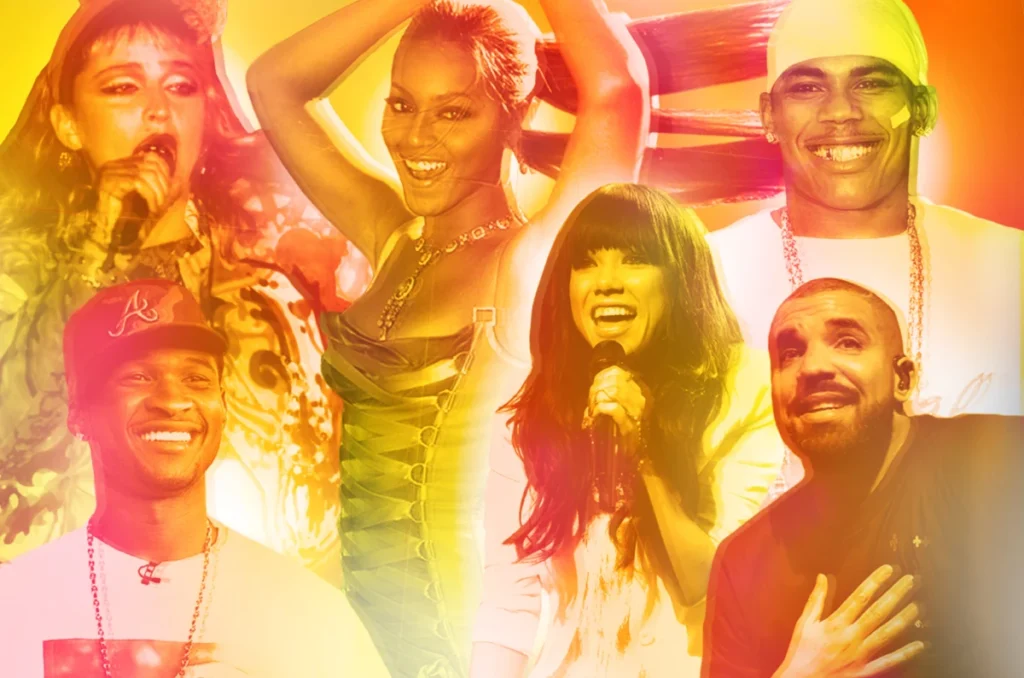
The shimmering heat of summer has long been synonymous with the soundtrack of our lives, a potent blend of sun-drenched days and the nostalgic echoes of music that defined those fleeting months. For decades, the Billboard Hot 100 chart has served as the definitive barometer of popular music, and by dissecting its weekly rankings from the survey’s inception in August 1958, a comprehensive picture of America’s most beloved summer anthems emerges. This in-depth analysis reveals the top 10 songs that dominated radio waves, car stereos, and backyard barbecues each year, from Memorial Day to Labor Day, offering a compelling chronicle of musical evolution and cultural resonance.
A Legacy of Summer Anthems
Since its debut, the Billboard Hot 100 has been the stage for some of the most enduring and memorable hits in popular music history, many of which have become inextricably linked to the summer season. These iconic tracks have not only topped the charts but have also become cultural touchstones, evoking vivid memories of carefree days and youthful exuberance. The pantheon of artists who have claimed the coveted "song of the summer" title reads like a who’s who of musical royalty, spanning generations and genres.
In the formative years of the 1960s, legends like Stevie Wonder, The Supremes, and The Rolling Stones provided the sonic backdrop to summer, their infectious rhythms and memorable melodies dominating the airwaves. The disco-infused 1970s saw the Bee Gees, Eagles, and the aptly named Donna Summer solidify their places in summer music lore with their distinctive sounds. The 1980s brought the innovative artistry of Prince and the global superstardom of Madonna, both leaving an indelible mark on the summer charts. As the music industry transitioned into the 1990s, Mariah Carey and TLC emerged as dominant forces, their hits becoming synonymous with summer vacations and adolescent adventures. The new millennium continued this trend, with Usher and Beyoncé captivating audiences with their R&B-infused anthems. More recently, artists like Katy Perry and Drake have continued to define the contemporary summer soundscape, proving that the power of a well-crafted, summery hit remains as potent as ever.
However, the success of a summer song is not solely reserved for established titans of the industry. The right melody, delivered at the opportune moment, can catapult an artist to unexpected heights, regardless of their prior chart performance. A prime example is OMI, an artist who, prior to 2015, had a relatively modest presence on the Hot 100. Yet, his undeniably catchy and optimistic track, "Cheerleader," became the undisputed soundtrack to the summer of 2015, transcending its initial chart performance to become that season’s biggest and most pervasive hit. This phenomenon underscores the unique alchemy of summer music: a confluence of timing, mood, and universal appeal that can create a cultural moment.
Charting the Course of Summer Music: Methodology and Evolution
Billboard’s "Songs of the Summer" chart is meticulously curated to identify the most popular songs during the peak summer months. This chart tracks the cumulative performance of titles on the weekly Hot 100, encompassing streaming, airplay, and sales data from Memorial Day through Labor Day each year. This rigorous methodology ensures that the rankings reflect genuine audience engagement and widespread popularity throughout the entire summer period.
The way in which these rankings are compiled has evolved alongside the music industry and data collection capabilities. For the period spanning from the Hot 100’s inception through 1991, prior to the widespread adoption of Luminate (formerly Nielsen) radio monitoring and point-of-sales data, rankings were determined by an inverse point system. In this system, songs that reached the No. 1 position on the weekly charts earned the highest value, with points gradually decreasing for lower chart placements. This method provided a consistent, albeit different, approach to measuring summer dominance in the pre-digital era.
From 1992 onwards, with the advent of Luminate data tabulation, the methodology shifted to incorporate accumulated radio airplay and sales points. Crucially, this also began to include points derived from streaming data as it became an increasingly significant component of music consumption. This evolution in data collection mirrors the broader changes in how music is consumed and measured, offering a more comprehensive and nuanced understanding of a song’s popularity in the modern era. The inclusion of streaming data, in particular, has fundamentally reshaped the landscape of music charts, reflecting the digital habits of today’s listeners.
A Chronological Journey Through Summer’s Biggest Hits
To truly appreciate the tapestry of summer music, a year-by-year exploration is essential. This journey through the Billboard Hot 100 from 1958 to the present day reveals not only the changing musical tastes but also the enduring power of songs that capture the essence of the season.
The Early Years (1958-1969): The Birth of the Summer Anthem
The late 1950s and 1960s laid the groundwork for the concept of a summer hit. Artists like Ricky Nelson, with his laid-back charm, and the Everly Brothers, with their harmonizing prowess, set an early tone. As the decade progressed, the rock and roll revolution, the British Invasion, and the rise of Motown all contributed to the summer soundtrack.
- 1958: Domenico Modugno’s "Volare (Nel Blu Dipinto Di Blu)" captured a global sensation, its infectious melody perfect for a summer’s day.
- 1959: Frankie Avalon’s "Venus" offered a dreamy, romantic ballad that resonated with young lovers during the summer months.
- 1960: Brenda Lee’s energetic "I’m Sorry" became a summer staple, showcasing a powerful young voice.
- 1961: Del Shannon’s "Runaway", with its distinctive organ riff, was a defining sound of that summer.
- 1962: The Isley Brothers’ "Twist and Shout" (though popularized by The Beatles later) had an early version that set dance floors ablaze.
- 1963: Jan and Dean’s "Surf City" perfectly encapsulated the California dream and the allure of the beach.
- 1964: The Beach Boys’ "I Get Around" cemented their status as kings of the surf-rock sound, a quintessential summer band.
- 1965: The Rolling Stones’ "Satisfaction" was a rebellious anthem that, despite its edge, became an inescapable summer hit.
- 1966: The Mamas & the Papas’ "California Dreamin’" evoked a yearning for warmer climes, a poignant summer reflection.
- 1967: The Beatles’ "All You Need Is Love" became a universal message of peace and love, perfectly aligning with the summer of ’67’s counterculture spirit.
- 1968: Bobby Goldsboro’s "Honey" was a sentimental ballad that proved a massive hit, resonating with a wide audience during the summer.
- 1969: Tommy Roe’s "Dizzy" provided an upbeat, infectious tune that became a ubiquitous summer sound.
The Groovy Seventies (1970-1979): Disco, Rock, and Pop Dominance
The 1970s were a decade of diverse musical landscapes, from the burgeoning disco scene to classic rock anthems and smooth pop ballads. Summer hits reflected this eclecticism.
- 1970: The Jackson 5’s "ABC" was pure, unadulterated joy, a perfect pop explosion for a summer afternoon.
- 1971: Carole King’s "It’s Too Late" from her seminal album Tapestry offered a mature, introspective sound that dominated the summer charts.
- 1972: Don McLean’s "American Pie" became a generational anthem, its sprawling narrative captivating listeners throughout the summer.
- 1973: Dawn’s "Tie a Yellow Ribbon Round the Ole Oak Tree" was a heartwarming tale that became a massive singalong hit.
- 1974: Mungo Jerry’s "In the Summertime" was a whimsical, infectious track that lived up to its title, becoming a global phenomenon.
- 1975: Van McCoy’s "The Hustle" was an instrumental disco track that defined the dance floors and parties of the summer.
- 1976: Donna Summer’s "Love to Love You Baby" (though released earlier) reached peak popularity, her sensual disco anthem becoming a summer obsession.
- 1977: Debby Boone’s "You Light Up My Life" was a soaring ballad that captivated audiences with its uplifting message.
- 1978: John Travolta and Olivia Newton-John’s "Summer Nights" from the Grease soundtrack was an instant classic, perfectly capturing the spirit of summer romance.
- 1979: Anita Ward’s "Ring My Bell" was a quintessential disco track that had everyone on their feet.
The Electrifying Eighties (1980-1989): Pop Superstars and Synthesizer Sounds
The 1980s were defined by the rise of music videos, synth-pop, and global pop icons. Summer hits reflected this era of bold sounds and visual flair.
- 1980: Blondie’s "Call Me" was a high-energy, rock-infused pop track that dominated the summer.
- 1981: Kim Carnes’ "Bette Davis Eyes" was a moody, atmospheric hit that showcased the power of synthesizers.
- 1982: Survivor’s "Eye of the Tiger" became an anthemic motivational song, fueled by its inclusion in the film Rocky III.
- 1983: Michael Jackson’s "Beat It" was a groundbreaking fusion of rock and pop that solidified his reign as the King of Pop.
- 1984: Prince’s "When Doves Cry" was a signature track from his Purple Rain album, a masterclass in innovative pop.
- 1985: Bryan Adams’ "Summer of ’69" ironically became a massive summer hit, evoking nostalgia for a past era.
- 1986: Madonna’s "Papa Don’t Preach" was a socially charged pop anthem that showcased her evolving artistry.
- 1987: Belinda Carlisle’s "Heaven Is a Place on Earth" was a soaring, feel-good anthem that defined the summer sound.
- 1988: Guns N’ Roses’ "Sweet Child o’ Mine" brought a hard rock edge to the summer charts, proving the genre’s enduring appeal.
- 1989: Madonna’s "Like a Prayer" continued her reign, a powerful and controversial track that resonated deeply.
The Nineties Boom (1990-1999): R&B, Hip-Hop, and Pop Sensations
The 1990s saw a diversification of popular music, with R&B and hip-hop gaining significant mainstream traction alongside enduring pop artists.
- 1990: Wilson Phillips’ "Hold On" offered a positive, harmonically rich pop ballad that resonated with a wide audience.
- 1991: Bryan Adams’ "(Everything I Do) I Do It for You" was an epic power ballad that dominated charts worldwide.
- 1992: Kris Kross’s "Jump" was an energetic, youthful hip-hop track that was impossible to ignore.
- 1993: Whitney Houston’s "I Will Always Love You" (though a cover) became a colossal hit, her powerful rendition defining the year.
- 1994: Lisa Loeb & Nine Stories’ "Stay (I Missed You)" was an indie-pop darling that found massive mainstream success.
- 1995: Coolio featuring L.V.’s "Gangsta’s Paradise" was a gritty, thought-provoking hip-hop anthem that became a cultural phenomenon.
- 1996: Los del Río’s "Macarena" was a global dance craze that swept the nation, its infectious rhythm and simple dance moves making it an undeniable summer hit.
- 1997: Puff Daddy & Faith Evans featuring 112’s "I’ll Be Missing You" was a heartfelt tribute that resonated deeply, becoming a major hit.
- 1998: Goo Goo Dolls’ "Iris" was a heartfelt rock ballad that became a ubiquitous sound of the summer.
- 1999: Ricky Martin’s "Livin’ la Vida Loca" brought Latin pop to the forefront, its energetic rhythm and charismatic delivery making it an instant summer smash.
The 2000s and Beyond (2000-Present): Digital Dominance and Genre Blending
The 21st century has witnessed the rise of digital music consumption, the explosion of streaming, and an ever-increasing blending of musical genres. Summer hits continue to reflect these trends, with global superstars and viral sensations alike making their mark.
- 2000: Destiny’s Child’s "Jumpin’, Jumpin’" was an empowering R&B track that became a summer party anthem.
- 2001: Eve featuring Gwen Stefani’s "Let Me Blow Ya Mind" was a collaboration that blended hip-hop and pop with undeniable swagger.
- 2002: Nelly’s "Hot in Herre" was a raunchy, infectious hip-hop track that perfectly captured the heat of the summer.
- 2003: Beyoncé’s "Crazy in Love" featuring Jay-Z was a monumental hit, a powerful introduction to her solo superstardom.
- 2004: Usher featuring Lil Jon & Ludacris’ "Yeah!" was a club-ready R&B track that dominated the charts for months.
- 2005: Mariah Carey’s "We Belong Together" was a triumphant return to the top for the pop icon, a soulful ballad that defined the summer.
- 2006: Shakira featuring Wyclef Jean’s "Hips Don’t Lie" was a global phenomenon, its infectious rhythm and distinctive vocals making it an instant summer hit.
- 2007: Rihanna featuring Jay-Z’s "Umbrella" was a dark, catchy pop anthem that cemented Rihanna’s status as a global superstar.
- 2008: Katy Perry’s "I Kissed a Girl" was a provocative and catchy pop track that launched her career into superstardom.
- 2009: The Black Eyed Peas’ "Boom Boom Pow" was a futuristic, electro-infused hip-hop track that was impossible to escape.
- 2010: Katy Perry featuring Snoop Dogg’s "California Gurls" was a vibrant ode to West Coast fun, a quintessential summer pop anthem.
- 2011: Adele’s "Rolling in the Deep" was a powerful, soulful ballad that defied genre expectations and dominated the charts.
- 2012: Carly Rae Jepsen’s "Call Me Maybe" was an infectious, impossibly catchy pop song that became a global phenomenon.
- 2013: Robin Thicke featuring T.I. & Pharrell’s "Blurred Lines" was a funky, controversial track that became one of the year’s biggest hits.
- 2014: Iggy Azalea featuring Charli XCX’s "Fancy" was a stylish and catchy hip-hop-pop fusion that defined the summer.
- 2015: OMI’s "Cheerleader" (Felix Jaehn Remix) was the quintessential feel-good song of the summer, its tropical vibes and uplifting message making it a global sensation.
- 2016: Drake featuring Wizkid & Kyla’s "One Dance" was a global smash, its Afrobeat influences and smooth delivery making it a summer staple.
- 2017: Luis Fonsi & Daddy Yankee featuring Justin Bieber’s "Despacito" was a record-breaking global phenomenon, its reggaeton rhythm and infectious melody transcending language barriers.
- 2018: Drake’s "In My Feelings" became a viral sensation, its catchy hook and accompanying dance challenge dominating social media.
- 2019: Lil Nas X featuring Billy Ray Cyrus’ "Old Town Road (Remix)" shattered records, a genre-bending phenomenon that captured the cultural zeitgeist.
- 2020: DaBaby featuring Roddy Ricch’s "Rockstar" was a dominant force in a summer shaped by unprecedented global events, its catchy beat providing a sense of escapism.
- 2021: The Kid LAROI & Justin Bieber’s "Stay" was an energetic pop-punk infused track that dominated the airwaves.
- 2022: Harry Styles’ "As It Was" offered a breezy, introspective yet upbeat track that became the soundtrack to the summer.
- 2023: Luke Combs’ "Fast Car" (a cover) found renewed life and massive popularity, its relatable narrative resonating deeply with listeners.
The Enduring Power of the Summer Hit
The analysis of Billboard’s Hot 100 Summer Songs reveals a fascinating evolution of popular music, mirroring societal shifts, technological advancements, and changing cultural landscapes. From the innocent harmonies of the late 1950s to the genre-bending collaborations of today, each summer anthem tells a story. These songs are more than just a collection of chart data; they are sonic postcards from moments in time, evoking memories, emotions, and the shared experience of a season. The continued fascination with these summer hits underscores their power to connect with us on a deeply personal level, proving that the right song, at the right time, can indeed become the indelible soundtrack to our lives. As the summer months approach each year, the anticipation builds for the next wave of tunes that will undoubtedly become the cherished memories of future seasons.
Related News