The Cultural and Geopolitical Resonance of the Arirang Smartphone in a Divided Korea
Article Editorial Team
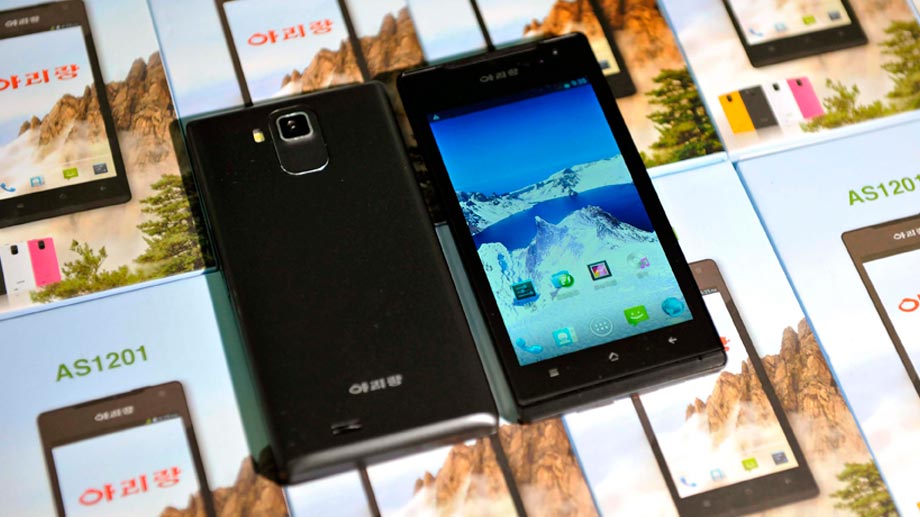
The unveiling of North Korea’s first domestic smartphone, the Arirang, marks a significant intersection of technological aspiration and deep-seated cultural nationalism. While the global technology market is dominated by high-stakes competition between Western and South Korean giants, the Democratic People’s Republic of Korea (DPRK) has entered the fray with a device that carries more weight in its name than in its hardware. Named after the quintessential Korean folk song "Arirang," the smartphone represents a calculated effort by the Pyongyang leadership to project an image of modern self-sufficiency while tapping into a shared sense of Korean identity that predates the 1945 division of the peninsula.
The Arirang Smartphone: Technical Specifications and Political Symbolism
In August 2013, North Korean state media, the Korean Central News Agency (KCNA), released images of leader Kim Jong-un visiting a manufacturing facility described as the "May 11 Factory." During the visit, the leader praised the "creative ingenuity and patriotic enthusiasm" of the workers who developed the Arirang AS1201. The device, which runs on a modified version of the Android operating system, features a touch screen and a camera described by state media as having "high pixels."
However, international technology analysts have expressed significant skepticism regarding the "homegrown" nature of the device. Independent evaluations of the hardware suggest that the Arirang is likely a rebranded version of the Uniscope U70, a budget smartphone produced by a Chinese manufacturer. Experts believe the components are manufactured in China and shipped to Pyongyang for final assembly, software skinning, and packaging. Despite these technical origins, the political utility of the Arirang remains potent. By branding the device with a name synonymous with Korean heritage, the North Korean government seeks to foster national pride and reinforce the "Juche" ideology of self-reliance, even as the country remains heavily dependent on Chinese supply chains.
A Chronology of the Korean Peninsula’s Divided History
To understand why the name "Arirang" holds such gravity for a piece of consumer electronics, one must examine the turbulent history of the Korean Peninsula over the last century.
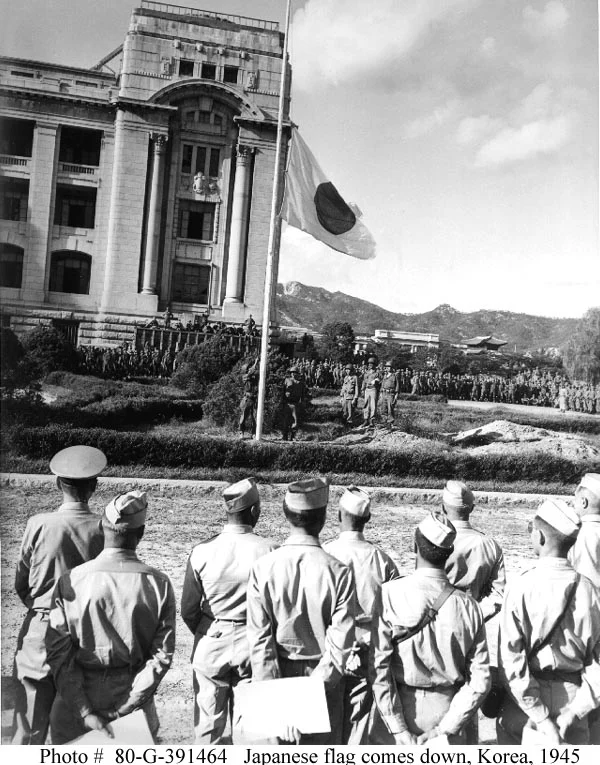
- 1910–1945: Japanese Colonial Occupation. The unified Korean Empire was annexed by the Empire of Japan. This period was marked by the suppression of Korean culture and the forced mobilization of labor. It was during this era that "Arirang" evolved from a local folk song into a national anthem of resistance and collective sorrow (Han).
- 1945: Liberation and Division. Following Japan’s defeat in World War II, the peninsula was divided at the 38th parallel into Soviet and American occupation zones, eventually leading to the establishment of the DPRK in the North and the Republic of Korea (ROK) in the South.
- 1950–1953: The Korean War. A devastating conflict that solidified the division of the peninsula. The war ended in an armistice rather than a peace treaty, leaving the two nations in a technical state of war that persists today.
- 1960s–1990s: Economic Divergence. South Korea underwent the "Miracle on the Han River," transforming from a war-torn agrarian society into a global technological powerhouse. North Korea, meanwhile, maintained a command economy that suffered significantly following the collapse of the Soviet Union.
- 2012: UNESCO Recognition. "Arirang" was officially inscribed on UNESCO’s Representative List of the Intangible Cultural Heritage of Humanity, a move heavily lobbied for by both Seoul and Pyongyang, highlighting the song’s status as a shared cultural treasure.
- 2013: The Arirang Smartphone Launch. North Korea introduces its first smartphone, signaling an attempt to modernize its internal communication infrastructure while maintaining strict information control.
The Cultural Weight of "Arirang"
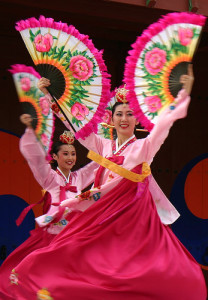
"Arirang" is not merely a song; it is often described as the unofficial national anthem of both Koreas. Musically, it is a simple pentatonic melody, yet its lyrical themes of longing, separation, and resilience resonate deeply with the Korean experience of the 20th century. Estimates of the song’s age vary wildly, with some scholars tracing its roots back 600 years to the Joseon Dynasty, while others suggest it gained its current form during the late 19th century.
The song’s power lies in its versatility. During the Japanese occupation, it was a song of defiance. In the post-war era, it became a symbol of the tragedy of divided families. By naming their smartphone Arirang, the North Korean authorities are attempting to co-opt this universal symbol of "Koreanness." This is a direct soft-power challenge to South Korea, which has successfully exported its own version of Korean culture through the "Hallyu" or Korean Wave.
Comparative Technological Landscapes: North vs. South
The launch of the Arirang smartphone highlights the stark disparity between the two Koreas’ approaches to technology. South Korea is home to Samsung and LG, companies that define the global standard for mobile innovation. In the South, smartphone penetration is among the highest in the world, with ubiquitous high-speed 5G internet.

In contrast, North Korea’s mobile network, Koryolink—a joint venture between the North Korean Post and Telecommunications Corporation and Egypt’s Orascom Telecom—is highly restricted. While there are an estimated 2 to 5 million mobile subscribers in the DPRK, users are generally barred from accessing the global internet. Instead, they access a domestic intranet known as "Kwangmyong." The Arirang smartphone is designed to operate within this closed ecosystem, allowing for state-monitored communication while providing the elite and the growing merchant class with the prestige of owning modern hardware.
Regional Implications and the Paradox of Shared Aesthetics
The choice of the name "Arirang" also touches upon the complex relationship between Korea and Japan. Historically, "Arirang" was surprisingly popular in Japan during the 1930s. Japanese audiences during the colonial era found a sense of "exotic melancholy" in the song, a phenomenon of cultural appropriation that complicates the song’s legacy as a purely nationalist anthem.
In the modern era, a similar paradox exists with the spread of South Korean pop culture. Despite the DPRK’s strict bans on foreign media, reports from defectors and humanitarian organizations indicate that South Korean "K-Dramas" and pop music are widely consumed via smuggled USB drives. The North Korean government has even attempted to create its own state-sanctioned versions of girl groups, such as the Moranbong Band, to satisfy the public’s growing appetite for modern entertainment styles without the "corrupting" influence of Southern capitalism.
Official Reactions and Expert Analysis
International observers view the Arirang smartphone as a dual-purpose tool. Diplomatically, it serves as propaganda to suggest that international sanctions have failed to stifle North Korean innovation. Domestically, it serves as a platform for digital surveillance.
Martyn Williams, an expert on North Korean technology and a contributor to 38 North, has noted that the introduction of such devices allows the state to transition from banning technology to managing it. "The Arirang phone is about providing a domestic alternative to smuggled Chinese phones," Williams suggests. "If the state provides the hardware, they can ensure that the software includes surveillance features and ‘signature’ checks that prevent the device from playing unauthorized media files."
Furthermore, the South Korean Ministry of Unification has historically viewed these developments with a mix of caution and curiosity. While the Arirang phone does not pose a threat to South Korea’s technological dominance, it signifies a shift in the North’s strategy—acknowledging that its citizens desire modern conveniences and attempting to provide them within a controlled, nationalist framework.
Conclusion: Culture as the Final Frontier
The Arirang smartphone is a testament to the enduring power of cultural symbols in the face of political and economic division. By naming a piece of 21st-century technology after a centuries-old folk song, North Korea is engaging in a sophisticated form of identity politics. It is an attempt to claim the "soul" of Korea in a digital age where the South has largely won the economic and cultural war.
As the Korean Peninsula remains one of the world’s most volatile flashpoints, the Arirang smartphone serves as a reminder that underneath the military posturing and economic competition, there remains a shared cultural fabric. Whether through a traditional song or a modern smartphone, the concept of "Arirang" continues to define what it means to be Korean, even as that identity is pulled in two vastly different directions by the regimes in Pyongyang and Seoul. The device may be unremarkable in its technical specifications, but as a cultural artifact, it offers a profound look at how a divided nation seeks to navigate the complexities of the modern world.
Related News