The Evolution of the Chaebol and Its Enduring Impact on South Korean Economy and Global Entertainment
Article Editorial Team

The archetype of the chaebol heir is a foundational element of South Korean television dramas, characterized by a specific set of traits: extraordinary wealth, striking physical appearance, and an often-insufferable sense of entitlement. In the landscape of K-dramas, this figure typically navigates high-stakes boardroom battles, endures the wrath of a domineering CEO father, and eventually experiences a moral awakening through a romantic entanglement with a protagonist from a humble background. Titles such as Secret Garden, Boys Over Flowers, and The Heirs have popularized this trope globally, leading many international viewers to associate the term "chaebol" primarily with romanticized opulence. However, behind the polished veneer of television fiction lies a complex socio-economic structure that has defined South Korea’s modern history. The chaebol—large, family-owned business conglomerates—are not merely plot devices; they are the architects of the "Miracle on the Han River" and the subjects of intense national debate regarding economic equity, political corruption, and the future of the South Korean state.
Defining the Chaebol: A Structure of Diversified Dominance
The word chaebol is derived from the Korean characters "chae" (wealth or property) and "beol" (faction or clan). Unlike Western corporations, which often focus on a core competency, chaebols are characterized by extreme diversification and centralized family control. A single chaebol entity may operate across dozens of unrelated industries, ranging from heavy shipbuilding and telecommunications to retail, food production, and hospitality.
Major global brands such as Samsung, Hyundai, LG, and SK Group are the most prominent examples. Samsung, for instance, is not only a leader in consumer electronics but also a major player in life insurance, theme parks, and construction (having built the Burj Khalifa). Similarly, the Hyundai Group, while famous for automobiles, maintains a massive presence in department stores and heavy machinery. Lotte Group operates a vast network of supermarkets, movie theaters, and the iconic Lotteria fast-food chain. This cross-industrial omnipresence ensures that the daily lives of South Koreans are inextricably linked to these conglomerates, a phenomenon often described as living in the "Republic of Samsung."

Historical Foundations: The Era of State-Led Growth
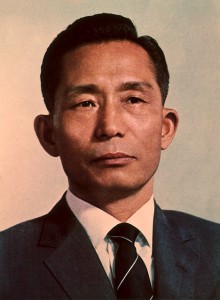
The rise of the chaebol was not an accidental byproduct of the free market but a deliberate strategy implemented by the South Korean government. Following the 1953 armistice of the Korean War, the peninsula was one of the poorest regions in the world, with its infrastructure decimated. In the 1960s, General Park Chung-hee seized power and initiated an aggressive economic development plan centered on export-oriented industrialization.
To jumpstart the economy, the Park administration hand-selected specific family-owned businesses to lead the charge into strategic industries. The government provided these companies with low-interest loans, preferential access to foreign exchange, and protection from international competition through high tariffs. In exchange, these firms were required to meet strict export quotas. This symbiotic relationship between the "Blue House" (the presidential residence) and business leaders allowed for rapid capital accumulation and technological advancement. By the 1970s and 1980s, these firms had evolved from small trading companies into the industrial giants known today, propelling South Korea from an agrarian society to a global economic powerhouse in just a few decades.
A Chronology of Crisis and Resilience
The trajectory of the chaebol has been marked by periods of unprecedented growth followed by systemic shocks. The most significant turning point occurred during the 1997 Asian Financial Crisis. Prior to the crash, many chaebols had engaged in reckless expansion funded by massive debt, operating under the assumption that they were "too big to fail."
When the crisis hit, the structural vulnerabilities of the chaebol system were exposed. The Daewoo Group, then the second-largest conglomerate in the country, collapsed under a debt load of approximately $50 billion. The subsequent bailout by the International Monetary Fund (IMF) forced South Korea to implement sweeping reforms. The government mandated that chaebols reduce their debt-to-equity ratios and eliminate cross-debt guarantees between subsidiaries. While many smaller conglomerates vanished, the survivors emerged more streamlined and globally competitive. In the 21st century, companies like Samsung and LG successfully pivoted from being manufacturers of cheap imitations to becoming global innovators in high-tech sectors, further cementing their dominance.

The Intersection of Business and Politics
The historical proximity between the chaebol and the government has fostered a culture of "crony capitalism" that remains a point of contention in South Korean society. The "Blue House connection" has frequently led to high-profile scandals involving bribery and influence peddling.
A notable example of this entanglement is the career of former President Lee Myung-bak, who served as the CEO of Hyundai Engineering and Construction before entering politics. His presidency was often criticized for policies that favored large conglomerates over small and medium-sized enterprises (SMEs). More recently, the 2016 impeachment of President Park Geun-hye (daughter of Park Chung-hee) was triggered by a corruption scandal involving Samsung’s leadership. Lee Jae-yong, the de facto head of Samsung, was convicted of bribing the president to secure government support for a controversial merger that would consolidate his control over the conglomerate.
These incidents highlight the "chaebol risk"—the idea that the legal and ethical lapses of family leaders can jeopardize the stability of the national economy. Despite frequent convictions, many chaebol leaders have historically received presidential pardons, with the government citing their "essential role in the national economy" as justification for leniency.
Supporting Data: The Economic Weight of the Giants
The sheer scale of chaebol influence is reflected in national economic data. According to various economic reports, the combined revenue of the top ten chaebols often accounts for nearly 80% of South Korea’s Gross Domestic Product (GDP). Samsung Electronics alone has, at times, accounted for over 20% of the country’s total exports.

While these figures suggest immense strength, economists point to a growing disparity. While the chaebols generate a vast majority of the nation’s revenue, they employ only a small fraction of the total workforce—approximately 10% to 15%. The remaining majority of South Koreans work for SMEs, which often struggle to compete for talent and resources in an environment dominated by the giants. This has led to a "dual-track economy" where the benefits of growth are increasingly concentrated at the top, contributing to rising income inequality and a hyper-competitive job market for the younger generation.
Social Implications and the "Gapjil" Culture
Beyond economics, the chaebol system has shaped South Korean social hierarchies. The term "Gapjil" has entered the national lexicon to describe the arrogant and abusive behavior of those in power toward their subordinates. Several high-profile incidents involving chaebol family members have sparked national outrage.
The 2014 "Nut Rage" incident is a prominent example. Cho Hyun-ah, the daughter of the Hanjin Group chairman and an executive at Korean Air, forced a plane to return to the gate at JFK International Airport because she was dissatisfied with how macadamia nuts were served in first class. The incident became a symbol of the perceived untouchability of the "chaebol royalty" and ignited a fierce debate about the lack of accountability for the wealthy elite.
The Cultural Paradox: Romance vs. Reality
The prevalence of chaebol characters in K-dramas serves as a fascinating cultural paradox. While the public often expresses resentment toward the conglomerates’ monopolistic practices and political scandals, the "chaebol heir" remains one of the most popular romantic archetypes in entertainment.
Media analysts suggest that these dramas provide a form of escapism, allowing viewers to indulge in fantasies of extreme wealth and social mobility. Simultaneously, many dramas have begun to reflect a more cynical view of the elite. Series like Sky Castle and Penthouse move away from the romanticized "poor girl meets rich boy" narrative, instead focusing on the cutthroat, often immoral tactics used by the wealthy to maintain their status. This shift in storytelling reflects a growing societal disillusionment with the "Korean Dream" and the structural barriers created by the chaebol system.
The Path Forward: Reform and Succession
As South Korea looks toward the future, the question of chaebol reform remains central to the political discourse. Current and future administrations face the challenge of "economic democratization"—the process of curbing the power of the conglomerates to foster a more equitable business environment.
Succession also poses a significant hurdle. Many chaebols are currently transitioning to third- or fourth-generation leadership. Unlike the founders who built these companies from the ground up, the younger heirs are often viewed with skepticism regarding their merit and commitment to the national interest. Furthermore, astronomical inheritance taxes in South Korea frequently trigger complex and sometimes illegal corporate maneuvering as families attempt to pass control to the next generation without diluting their shares.
The chaebol are, undoubtedly, the engines that powered South Korea’s rise to global prominence. Their efficiency and scale allowed the nation to compete on the world stage in a remarkably short period. However, as the South Korean economy matures, the monopolistic nature of these conglomerates is increasingly viewed as a hindrance to innovation and social mobility. While the "chaebol sons" of K-dramas will likely continue to capture hearts on screen, the real-world conglomerates they represent must navigate an era of increasing demand for transparency, accountability, and structural change. The legacy of the chaebol is a testament to what a nation can achieve through focused industrial policy, but their future will be defined by their ability to adapt to a society that no longer accepts growth at any cost.
Related News