Silicone and the City: Is Life In Plastic Fantastic?
Article Editorial Team

The Public Debate: Personal Autonomy versus Traditional Values
A significant moment in the public negotiation of these values occurred during a televised exchange between solo vocalist G.NA and comedian Lee Yoon-suk. The discussion was sparked when Lee voiced a staunch opposition to his wife undergoing plastic surgery, characterizing such procedures as a "violation of the marriage oath." Lee argued that the pursuit of surgical enhancement often stems from external pressures rather than a genuine internal need, suggesting that if a partner views their spouse as "perfect," the impetus for change should be non-existent.
In response, G.NA offered a defense grounded in the concepts of personal satisfaction and psychological empowerment. She cited the example of her grandfather, who reportedly experienced a significant increase in happiness and self-confidence following a hair transplant procedure. G.NA’s argument centered on the idea that if a surgical intervention can alleviate deep-seated insecurities and improve an individual’s quality of life, it should be viewed as a legitimate tool for self-actualization. This debate highlights the tension between a traditionalist view, which prizes natural heritage, and a modern, pragmatic view that sees the body as a customizable asset in the pursuit of happiness.
The Miss Daegu 2013 Controversy and the Standardization of Beauty
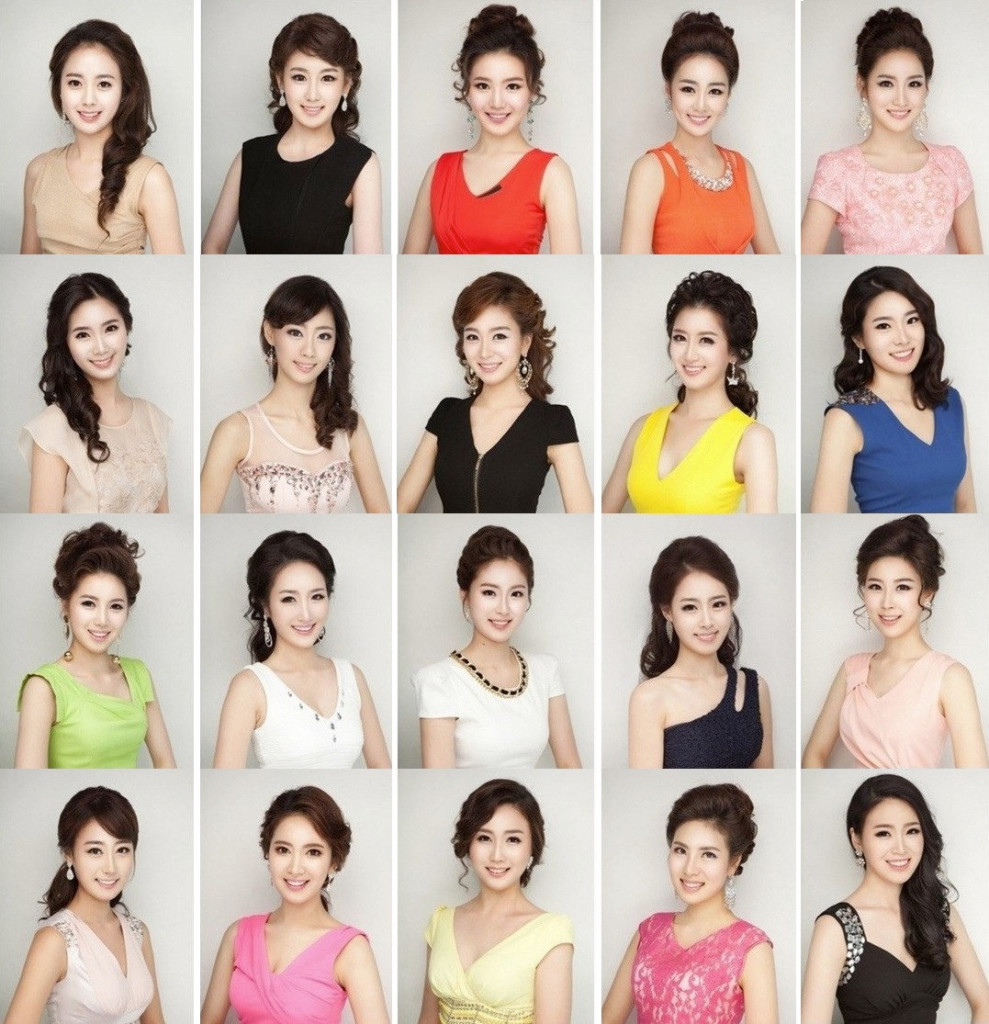
The complexities of South Korea’s relationship with plastic surgery reached a flashpoint during the 2013 Miss Korea pageant circuit, specifically within the Miss Daegu regional competition. The release of official photographs of the twenty candidates sparked an international viral sensation, not for the contestants’ diversity, but for their striking facial similarities. Critics and netizens pointed out that the candidates appeared to share nearly identical features: large, almond-shaped eyes with pronounced double eyelids, high and narrow nose bridges, flawless pale complexions, and the "V-line" jaw shape that has become the hallmark of the South Korean aesthetic ideal.
This incident served as a stark visual representation of the standardization of beauty. While the candidates were undeniably conventionally attractive, the lack of distinct facial characteristics led to a global debate regarding the "cloning" effect of the plastic surgery industry. Kwak Ka-hyun, who was eventually crowned Miss Seoul that same year, faced similar scrutiny, with public discourse focusing more on her surgical pedigree than her individual talents or personality. The Miss Daegu incident underscored a critical paradox: in the quest to achieve the pinnacle of beauty, the industry may be producing a homogenized aesthetic that erases individual uniqueness.
Statistical Landscape and the "Beauty Belt"
The scale of South Korea’s cosmetic surgery industry is supported by robust data. According to reports from the International Society of Aesthetic Plastic Surgery (ISAPS), South Korea has consistently maintained the highest rate of plastic surgery procedures per capita globally. In the early 2010s, data indicated that approximately one in five women in Seoul had undergone some form of surgical or non-invasive enhancement.

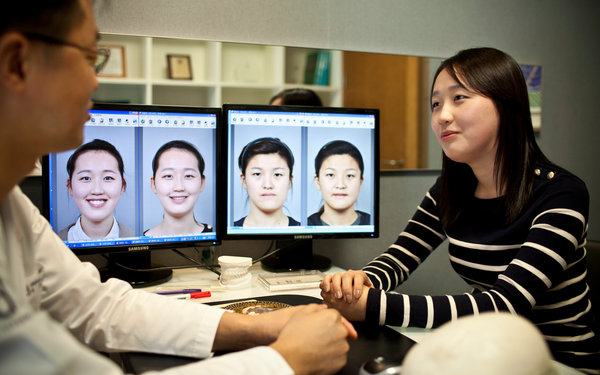
The epicenter of this phenomenon is the Apgujeong district in Seoul, frequently referred to as the "Beauty Belt." This area houses an estimated 400 to 500 plastic surgery clinics within a few square miles. The infrastructure of this district is designed to facilitate a seamless "medical tourism" experience, with clinics offering multilingual services to cater to a growing international clientele, particularly from mainland China and Southeast Asia. The ubiquitous nature of the industry is further evidenced by the advertising landscape; subway stations and public buses in Seoul are frequently draped in advertisements featuring dramatic "before and after" transformations, framing surgery as a routine and accessible step toward social and professional success.
Media Influence and the "Idol" Aspiration
The South Korean entertainment industry, particularly the K-pop sector, plays a decisive role in shaping public perceptions of beauty. For many aspiring idols, cosmetic procedures are not merely a choice but a professional requirement, often mandated by management agencies during the "trainee" phase. While some stars, such as SISTAR’s Hyorin, have been candid about procedures like blepharoplasty (double eyelid surgery), others face intense scrutiny and pressure to maintain the illusion of "natural beauty."
The "idol" image is marketed as the gold standard of human appearance. When celebrities who have undergone extensive work are presented as the ideal boyfriend or girlfriend, it creates a psychological feedback loop for the consumer. The message conveyed by the media is that beauty is a prerequisite for being loved, successful, and respected. This is reinforced by variety programming where "gagwomen" like Kim Shin-young or Jung Ju-ri are often the subject of humor based on their deviation from the surgical ideal. The lack of diverse representation in mainstream media ensures that the "manufactured ideal" remains the only visible path to social validation.

Comparative Societal Pressures: East vs. West
While the pursuit of beauty is a global phenomenon, the nature of the pressure in South Korea differs significantly from that in Western markets. In the United States, for instance, public figures like Tina Fey or Lena Dunham have built platforms that critique and satirize the "laundry list" of contradictory beauty standards. Fey, in her memoir Bossypants, noted that the modern beauty standard requires an impossible amalgamation of ethnic and physical traits.
In South Korea, such dissenting voices are less prominent in the mainstream. The cultural emphasis on "lookism" (외모지상주의)—the belief that appearance is a valid indicator of a person’s worth—is deeply ingrained. This is not limited to the dating market; it extends to the professional world, where photographs are a standard requirement on resumes. Surveys have indicated that a significant portion of South Korean job seekers believe that their physical appearance influences their employment prospects, leading many to seek surgery as a way to remain competitive in a rigorous labor market.
Psychological Implications and the Future of the Industry
The normalization of plastic surgery has profound psychological implications. For many, as G.NA suggested, it provides a vital boost to self-esteem. However, psychologists have also raised concerns about the "hedonic treadmill" of cosmetic enhancement, where one procedure leads to a perceived need for another, potentially resulting in Body Dysmorphic Disorder (BDD).
There are signs of a burgeoning counter-movement. In recent years, the "Escape the Corset" movement and a growing interest in "naturalism" have begun to challenge the hegemony of the surgical ideal. Some celebrities have started to speak more openly about the pain and risks associated with procedures like jaw bone shaving (V-line surgery), which carries a significant recovery period and potential for long-term nerve damage.
Conclusion: The Shift Toward Transparency
The evolution of the plastic surgery discourse in South Korea suggests a move toward greater transparency, though the underlying societal pressures remain formidable. The media has begun to make room for more honest conversations about the realities of surgical enhancement, moving away from the binary of "natural beauty" versus "fake."
However, until the societal structures that reward a singular type of beauty are challenged, the "vicious cycle" identified by critics is likely to persist. The decision to undergo plastic surgery, while remaining a personal choice, is inextricably linked to a collective environment that prioritizes physical perfection. For South Korea to move toward a more inclusive definition of beauty, it will require a concerted effort from the media, the entertainment industry, and the public to celebrate diversity and individual identity over manufactured uniformity. The "Miss Daegu" clones and the "Beauty Belt" of Apgujeong remain powerful symbols of a nation grappling with the costs and consequences of its aesthetic ambitions.
Related News