Kep1er Releases "Killa (Face the Other Me)," A Visual Spectacle Leaning Heavily on Performance Amidst Underdeveloped Narrative
Article Editorial Team
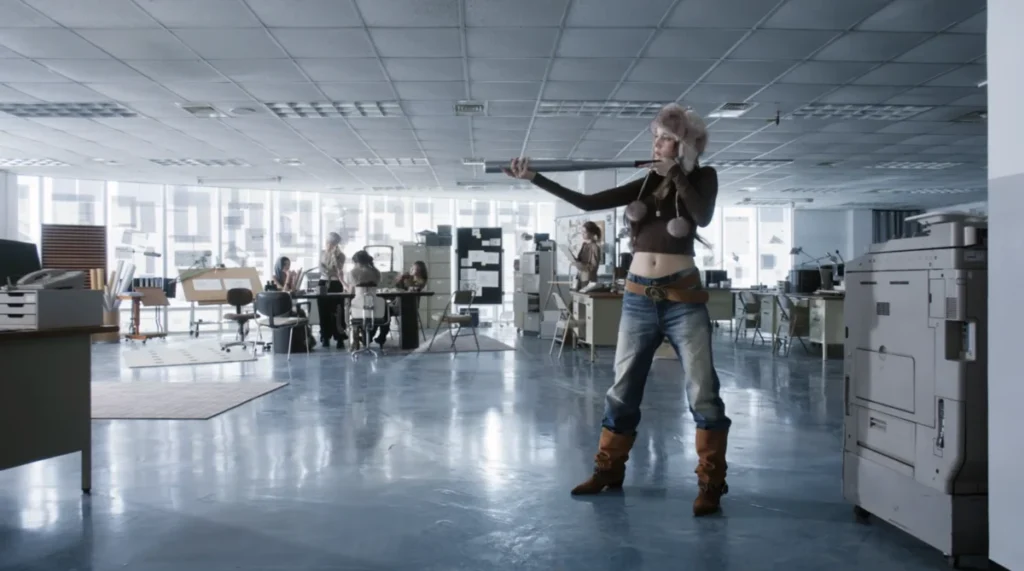
SEOUL, SOUTH KOREA – Kep1er, the dynamic nine-member girl group formed through the Mnet survival show Girls Planet 999, has unveiled their latest music video for the title track "Killa (Face the Other Me)." While the video showcases the group’s undeniable prowess in performance, featuring sharp choreography and striking visual arrangements, it struggles to fully realize the thematic potential suggested by its title, ultimately leaning more towards a high-impact performance piece than a deeply narrative-driven music video. The release, aimed at cementing their presence in the competitive K-pop landscape, highlights both the group’s inherent strengths and areas where conceptual depth could further elevate their artistry.
Performance as the Central Pillar
From its initial release, Kep1er has consistently been lauded for their powerful stage presence and synchronized performances. "Killa (Face the Other Me)" amplifies this strength, presenting a meticulously crafted choreography that emphasizes sharp movements, dynamic formations, and impactful transitions. The inclusion of a dedicated dance break towards the end of the music video serves as a testament to this focus, offering a concentrated showcase of the members’ individual skills and collective synergy. This emphasis on performance, while a significant asset, also becomes the video’s primary limitation. The sheer force of the choreography and visual execution often overshadows the thematic elements, leaving the narrative feeling somewhat secondary.
The music video, officially titled "Killa (Face the Other Me)," offers a compelling premise for visual storytelling: the exploration of duality and self-confrontation. The subtitle, "Face the Other Me," immediately suggests concepts of internal conflict, self-discovery, and the acknowledgment of hidden aspects of one’s personality. However, the visual execution of these ideas is often fleeting, presented through brief glimpses and symbolic imagery that, while present, do not fully coalesce into a cohesive and immersive narrative. This restraint in developing the conceptual framework leaves the music video feeling like a powerful performance with an underdeveloped story.
Exploring Duality: Mirrors, Shadows, and Symbolism
The theme of confronting one’s "other self" is most overtly represented through the recurring motif of mirrors. The music video opens and closes with scenes featuring member Dayeon engaging with her reflection, a direct visual cue for introspection and self-examination. Additionally, a scene featuring Yujin, Xiaoting, and Chaehyun in a room constructed entirely of mirrors further reinforces this idea of self-reflection and the search for one’s true identity. These visual elements are intrinsically linked to the song’s lyrical content, which delves into the existence of a hidden self within everyone.

According to promotional materials and linked lyrical interpretations, the song’s narrative revolves around the awakening of this hidden nature. The lyrics reportedly speak of an internal awakening where individuals break free from oppressive limits to emerge as a "true killer." Kep1er aims to embody this by shedding a long-oppressed self and confronting their anxieties, transforming them into a precise and formidable force. This thematic undercurrent is intended to be a powerful statement of empowerment and self-realization for the group.
Beyond mirrors, shadows are employed to create visual contrast and add a sense of depth to certain scenes. These shadowy elements, however, are utilized sparingly, contributing to the overall fleeting nature of the narrative’s development. Further symbolic depth is provided by the recurring appearance of a cube, which Kep1er members themselves explained in a reaction video to represent anxiety and uncomfortable emotions or aspects of the self. The gradual fragmentation of this cube throughout the music video, coupled with Dayeon’s final scene of touching a cracked mirror that then mends, offers a subtle, albeit somewhat vague, suggestion of the group’s journey in confronting their inner duality.
However, the execution of these symbolic elements feels somewhat rushed, lacking the deliberate pacing that would allow them to resonate fully with the audience. The narrative progression often feels as if it is on the cusp of a significant revelation or emotional arc, only to abruptly conclude. This incomplete exploration of the "other me" concept leaves the thematic intention feeling like an afterthought, rather than a fully integrated component of the music video.
A Performance-Centric Approach
Instead of fully committing to the exploration of the "other me" concept, the music video leans heavily into Kep1er’s established strengths in performance. The transitions between scenes are often artful, seamlessly blending striking visual aesthetics with compelling dance formations. Choreographic highlights, such as a brief duet between Yujin and Xiaoting, Hikaru’s commanding presence in the chorus, and the impactful dance break, emerge as the defining moments of "Killa." These are the segments that truly capture attention and underscore the group’s capabilities as performers.
The sonic landscape of "Killa" has been noted by some observers as fitting within current K-pop trends, with comparisons drawn to the sound of groups like aespa. This alignment with contemporary popular sounds positions "Killa" as a track that could resonate with a broad audience. However, in an increasingly saturated music market, the ability to stand out is paramount. The music video’s reliance on performance, while visually impressive, coupled with a narrative that struggles to establish a distinct identity, means "Killa" may find it challenging to carve out a unique space for itself. The music video, in its current form, lacks a certain "spice" or defining edge that could elevate it beyond a competent, albeit conventional, offering.

Missed Opportunities for Deeper Connection
The conceptual framework of confronting one’s inner self through "Face the Other Me" held significant potential to imbue "Killa" with greater meaning and emotional resonance. However, this potential remains largely untapped, both in the choreography and the visual narrative. The music, while sonically appealing, does not entirely compensate for the underdeveloped thematic elements. The inability to fully flesh out these ambitious ideas ultimately results in a rather surface-level experience. The music video is undoubtedly polished in its performance aspects, but it falls short of delivering the depth that its bold and intense concept promises.
Contextualizing Kep1er’s Trajectory
Kep1er’s journey began with their formation through Mnet’s Girls Planet 999, which aired from August to October 2021. The survival show, designed to create a global girl group, garnered significant international attention. The group officially debuted on January 3, 2022, with their extended play First Impact. Since their debut, Kep1er has released several EPs, including Doublast (2022), Troubleshooter (2022), and Lovestruck! (2023), each building upon their musical identity and performance capabilities.
The release of "Killa (Face the Other Me)" comes at a critical juncture for the group, as their contract period, which typically spans 2.5 years for groups formed through Mnet survival shows, is approaching its conclusion. This makes each subsequent release particularly significant in terms of solidifying their artistic legacy and fan base. The group’s management agencies, including WakeOne and Swing Entertainment (prior to the consolidation under WakeOne), have been instrumental in guiding their career. The music video’s production, with images credited to WakeOne/Klap, signifies the continued efforts to present a high-quality visual product.
Broader Implications and Industry Trends
The K-pop industry is characterized by its rapid evolution and constant demand for innovation. Groups are increasingly expected to deliver not only strong musicality and performance but also compelling visual narratives that resonate with a global audience. The trend towards conceptual music videos, where elaborate storylines and symbolic imagery play a crucial role, has become a hallmark of successful releases. Groups like aespa, with their "æ-universe" concept, and BTS, with their interconnected narrative universes, have set high benchmarks for thematic depth in music videos.
Kep1er’s attempt to integrate a complex theme like self-duality into "Killa" reflects this industry trend. However, the challenges faced in fully realizing this concept underscore the difficulty of balancing intricate storytelling with the group’s inherent performance strengths. For groups in a competitive market, a well-executed concept can be a significant differentiator, enhancing fan engagement and critical reception. The underdevelopment of the "Face the Other Me" narrative in the "Killa" music video may represent a missed opportunity to deepen their artistic expression and provide a more memorable and impactful viewing experience.

The success of a music video often hinges on its ability to create a lasting impression, whether through groundbreaking visuals, emotional depth, or a unique narrative. While "Killa (Face the Other Me)" excels in its visual polish and performance execution, its thematic underpinnings remain largely unexplored. As Kep1er continues to navigate their career, refining their ability to seamlessly integrate conceptual depth with their powerful performance artistry will be key to their continued growth and impact in the global music scene.
(YouTube [1]. Chosun Biz. Images via WakeOne/Klap.)
Related News