BLACKPINK Lisa’s Visuals Become Target Of Brutal Criticism At BLVGARI Event
Article Editorial Team
The intersection of high fashion and global celebrity culture often serves as a double-edged sword for international icons. Lalisa Manobal, known globally as Lisa of the K-pop group BLACKPINK, recently found herself at the center of a polarizing online discourse following her appearance at a high-profile event for the Italian luxury house BVLGARI. While the event was intended to celebrate the brand’s exquisite craftsmanship and Lisa’s long-standing role as a global ambassador, the subsequent digital fallout highlighted a growing trend of intense scrutiny regarding the physical appearances of female idols.
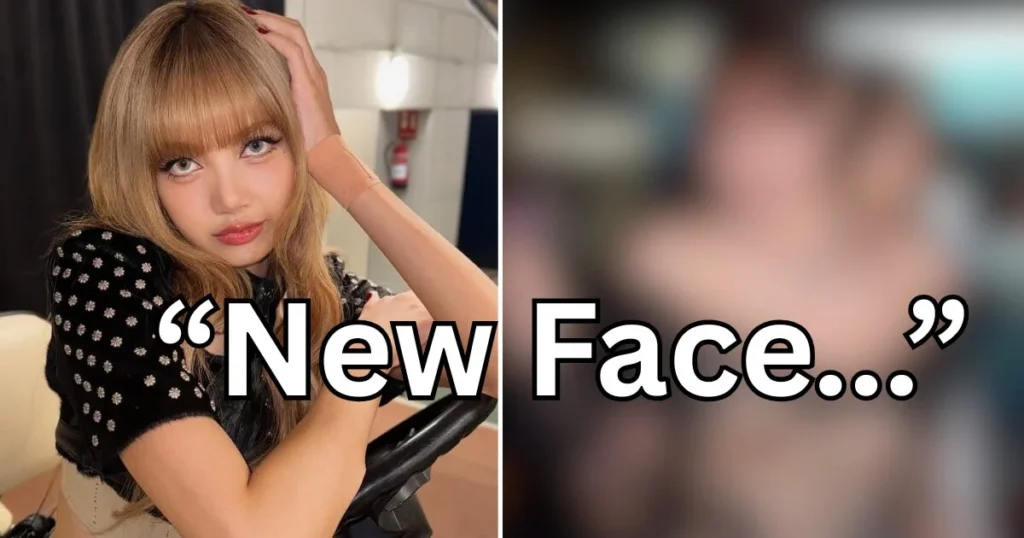
The event in question, the BVLGARI Serpenti Infinito exhibition held in September 2026, saw Lisa arriving in a daring and sophisticated ensemble that initially garnered praise from fashion critics and dedicated fans alike. However, as high-definition photographs and fan-captured videos began to circulate across social media platforms such as X (formerly Twitter), Instagram, and Weibo, the narrative shifted from fashion appreciation to "brutal" criticism of her facial features. Allegations of extensive plastic surgery became the focal point of the conversation, with critics claiming that the idol’s appearance has undergone a transformation so significant that she now possesses a "whole new face."
The Context of the BVLGARI Serpenti Infinito Event
The Serpenti Infinito event was designed to showcase the evolution of one of BVLGARI’s most iconic motifs. As a global ambassador since 2020, Lisa has been instrumental in bridging the gap between traditional European luxury and the modern, youth-driven markets of Asia and beyond. For this specific appearance, Lisa opted for a look that many described as "modern royalty." She wore a sleek, black silhouette that emphasized her stature, complemented by multimillion-dollar jewelry from the Serpenti collection.
Despite the elegance of the presentation, the online reaction was swift and divided. On one side, the "BLINK" fandom (BLACKPINK’s official fan base) celebrated her "regal aura" and her ability to carry the brand’s legacy. On the other side, a vocal contingent of netizens used the high-resolution imagery to point out what they perceived as evidence of recent cosmetic procedures. These comments were not merely observational but often veered into derogatory territory, attacking her heritage and her pre-debut appearance.
A Timeline of Growing Scrutiny
The criticism at the BVLGARI event does not exist in a vacuum. It follows a series of similar incidents over the past few months where Lisa’s visuals have been dissected by the public.

- August 2026: The 8th Anniversary Live Stream: During a live broadcast celebrating BLACKPINK’s eighth anniversary, some viewers claimed that Lisa’s face appeared "swollen" or "unnatural." This sparked the initial wave of plastic surgery rumors, with some suggesting she was in the recovery phase of a procedure.
- Early September 2026: Solo Promotional Activities: As Lisa transitioned into more solo-focused work under her own management label, LLOUD, her styling shifted toward a more "Western-centric" aesthetic. This change in makeup and hair styling was frequently misinterpreted by critics as structural changes to her face.
- September 10, 2026: The BVLGARI After-Party: Following the main exhibition, photos from the after-party showed Lisa in a more "daring and sexy" outfit. The different lighting and closer proximity of cameras fueled the "new face" narrative, leading to the current peak of online vitriol.
Analyzing the Nature of the Criticism
The comments directed at Lisa have been characterized by their severity. Some social media users went as far as to suggest that her wealth has allowed her to "buy a whole new face," implying that her current beauty is entirely manufactured. One viral post claimed that "there’s no trace of her old original self anymore," linking her physical change to her legal name change years ago (from Pranpriya to Lalisa), suggesting a psychological desire to erase her past.
More pointedly, some critics targeted specific features, such as her nose and jawline. Comments like "her plastic surgeon did her dirty" or "she looks more like a boy than a girl" reflect a harsh intersection of misogyny and rigid beauty standards. This type of "visual terrorism"—a term sometimes used in the industry to describe coordinated attacks on an idol’s appearance—often ignores the natural effects of aging, weight fluctuations, and the transformative power of professional stage makeup and lighting.
The Role of Global Brand Ambassadorship
For a brand like BVLGARI, Lisa represents a "Global Icon" status that transcends music. However, when an ambassador becomes the target of such intense negative sentiment, it creates a complex situation for the brand’s PR departments. Historically, luxury brands have leaned into the "perfection" of their ambassadors. When the public begins to focus on "plastic surgery allegations" rather than the "Serpenti Infinito" necklace, the marketing message can become diluted.
However, industry analysts suggest that Lisa’s "stickiness" as a brand representative remains high. Her ability to drive engagement—even if some of it is controversial—ensures that the brand remains at the forefront of digital trends. For Lisa, these appearances are part of a broader strategy to solidify her place in the global fashion elite, a move that necessitates frequent reinvention of her "visual brand."
The Impact of Industry Pressures and Public Perception
The K-pop industry is notorious for its focus on visuals, often referred to as the "visual" position within a group. While Lisa is primarily known for her dancing and rapping prowess, the expectations placed on her physical appearance are immense. The pressure to maintain a "youthful" and "perfect" image often leads idols to seek cosmetic enhancements, yet the same public that demands perfection often stigmatizes the means used to achieve it.
Furthermore, the shift in Lisa’s career—moving from the strict management of YG Entertainment to the more autonomous environment of LLOUD—has given her more creative control over her image. This autonomy has allowed her to experiment with styles that deviate from the traditional "K-pop doll" look. This evolution is often met with resistance from fans and anti-fans who are accustomed to her earlier aesthetic.

Statements and Reactions from the Industry
While Lisa’s management, LLOUD, has not issued a formal statement regarding the specific comments from the BVLGARI event, the agency has previously indicated a "zero-tolerance" policy toward malicious comments and defamation. Legal experts in the South Korean entertainment industry note that while "opinions" on surgery are difficult to prosecute, derogatory comments that attack an individual’s character or heritage (as seen in some of the tweets regarding Lisa’s Thai background) can fall under defamation laws.
Fans have mobilized in response to the criticism, launching hashtags such as #LISAxBVLGARI and #LeaveLisaAlone to drown out the negativity. Supporters argue that the focus on her face is a tactic used to undermine her professional achievements, including her recent solo successes and her upcoming acting debut in the HBO series The White Lotus.
Broader Implications for Celebrity Culture
The "brutal criticism" of Lisa’s visuals highlights a broader societal issue regarding the consumption of celebrity images. In the age of high-definition digital media, every pore and slight facial movement is subject to public jury. The narrative that a celebrity has "bought a face" reflects a cynical view of beauty that prioritizes "naturalness" while simultaneously consuming heavily edited and filtered content.
As Lisa continues to expand her global footprint, the scrutiny is unlikely to diminish. The transition from a K-pop idol to a global pop culture powerhouse involves navigating the different beauty standards of the East and the West. While Western audiences may be more accustomed to visible cosmetic enhancements and dramatic makeup shifts, the K-pop audience often maintains a more conservative view of "original" beauty.
Conclusion: The Resilience of a Global Icon
Despite the wave of criticism, Lisa’s professional trajectory remains on an upward swing. Her presence at the BVLGARI event, regardless of the online discourse, reaffirms her status as one of the most influential women in fashion and entertainment. The "brutal" nature of the comments serves as a reminder of the toxic side of digital celebrity, where the line between critique and harassment is frequently blurred.
As the industry evolves, the conversation around plastic surgery and celebrity visuals may move toward a more nuanced understanding of personal agency and the pressures of the spotlight. For now, Lisa remains a focal point of both immense admiration and intense scrutiny, a testament to her undeniable impact on the global stage. The "whole new face" that critics speak of may simply be the latest evolution of an artist who refuses to stay stagnant in an industry that often demands she stay the same.
Related News