FIFTY FIFTY’s Athena Faces Intense Backlash Over "Worst Cultural Appropriation" Accusations Following Controversial Jafar Cosplay
Article Editorial Team
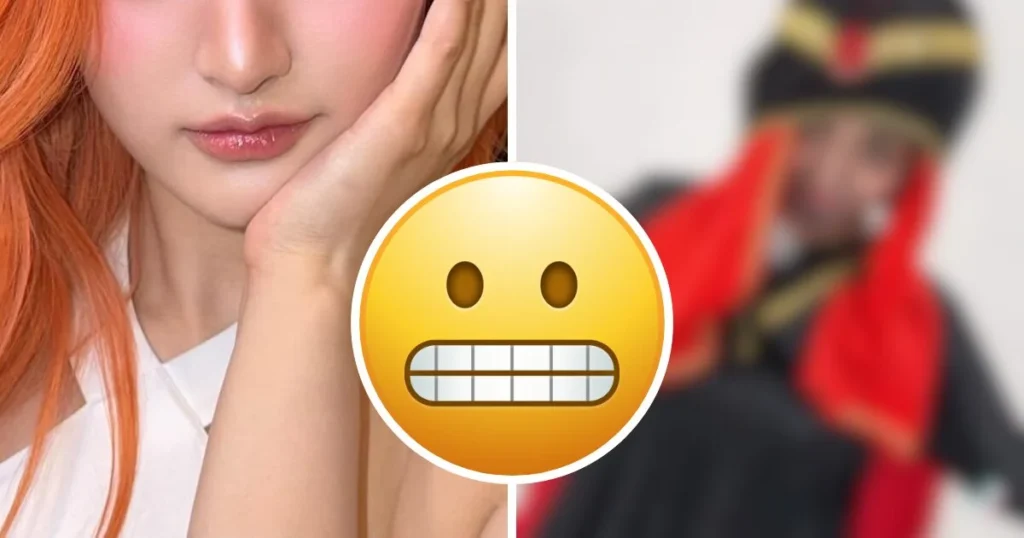
The K-Pop idol Athena, a member of the reconfigured girl group FIFTY FIFTY, has found herself at the epicenter of a fierce online debate, facing widespread accusations of "the worst cultural appropriation" seen by many fans. The controversy erupted after a video featuring Athena’s styling, intended as a cosplay of Jafar from Disney’s Aladdin, went viral across social media platforms for reasons far removed from its original comedic intent. The incident has reignited critical discussions within the K-Pop community regarding cultural sensitivity, particularly given FIFTY FIFTY’s already contentious history.
Chronology of a Viral Controversy
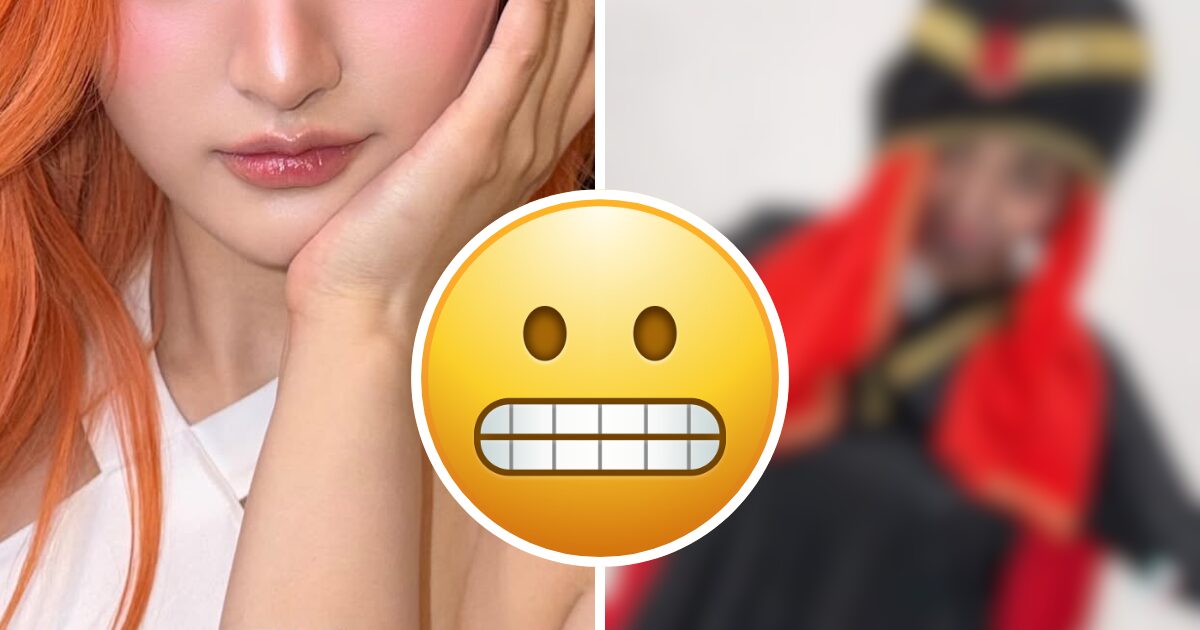
The catalyst for the uproar was a video initially posted on FIFTY FIFTY’s official TikTok account, which subsequently gained significant traction after being shared on X (formerly Twitter) on September 12, 2026. The video showcased Athena in an elaborate costume, featuring a black and red turban, a matching robe with prominent gold accents, and distinctive makeup. Crucially, the makeup included a drawn-on beard and heavy contouring, elements that quickly became central to the ensuing criticism.
Almost immediately after the video’s wider dissemination, social media users began to condemn the styling as a blatant instance of cultural appropriation. Initial posts expressed shock and disappointment, with one widely shared tweet stating, "5050’s Athena doing this…????? is this not strange. this is like the worst cultural appropriation ive ever seen." This sentiment rapidly gained traction, propelling the issue into a trending topic within hours.
In response to the growing wave of criticism, some fans of FIFTY FIFTY swiftly moved to defend Athena and the group. They clarified that the styling was part of a themed dance practice for their song "Genie Magic," where all members had dressed up as characters from Disney’s Aladdin. Proponents of this view argued that Athena’s costume was clearly a cosplay of Jafar, the primary antagonist from the animated film, and that any issues should be directed at Disney’s original character design rather than the idol’s portrayal. Tweets supporting this defense emerged, with one stating, "it’s clearly a cosplay of jafar, if you got an issue with jafar take that shit up with disney." Another fan questioned the outrage, asking, "genuinely what about this is cultural appropriation? y’all just trying to find shit to be mad about anyways stream genie magic."
However, this explanation did little to quell the mounting backlash. Instead, it intensified the debate, as many critics argued that the "cosplay" defense did not absolve the styling of its offensive elements. A significant portion of the outrage focused specifically on the makeup, particularly the drawn-on beard and exaggerated facial contouring, which many perceived as caricaturing Middle Eastern, South Asian, or North African features. The argument put forth was that while Jafar is a fictional character from the fictional city of Agrabah, his design draws heavily on stereotypical interpretations of clothing and appearance from these diverse regions. Critics emphasized that regardless of intent, such portrayals can perpetuate harmful stereotypes and mock cultures, especially when enacted by individuals outside those cultural groups. One notable tweet highlighted this nuance, drawing a parallel: "Idk why so many people r dismissing this because this is a cosplay if a white person did a cosplay of a Mexican character and even did stuff to make the facial features look different yall would have her burnt at the stake but you’ll do anything to defend your idols." Another user directly countered the cosplay defense, asserting, "weirdo this is a horrid mocking cosplay. Jafaar cosplays can be done without this."
The Core Allegation: Cultural Appropriation and Jafar’s Portrayal
At the heart of the controversy lies the complex issue of cultural appropriation, particularly as it intersects with character portrayal and cosplay. Cultural appropriation refers to the adoption or use of elements of a minority culture by members of the dominant culture, often without understanding, respect, or acknowledgment of the original cultural context, and frequently for aesthetic or commercial gain. In the context of K-Pop, this has been a recurring point of contention, with numerous idols and groups facing criticism for styling choices, music video concepts, or lyrical content that borrow from various cultures, often without appropriate attribution or sensitivity.
Jafar, as a character in Disney’s Aladdin, has a design that has historically been scrutinized. While Agrabah is a fictional setting, its aesthetic draws heavily from romanticized and often stereotypical depictions of the Middle East and North Africa. Jafar’s costume, with its turban, robes, and specific color palette, combines elements that resonate with traditional attire from these regions. When an idol like Athena, who is of East Asian descent, adopts this portrayal, complete with facial hair and accentuated features, it can be perceived by some as reducing complex cultural identities to a costume or a caricature. The drawn-on beard and heavy contouring were particularly problematic for many, as they felt it crossed the line from simple costume into a realm that mimicked or exaggerated ethnic features in a way that could be seen as mocking or insensitive. This is a common flashpoint in cultural appropriation discussions, where altering one’s physical appearance to mimic another ethnicity, even in character, is often seen as a significant misstep.
Nuances of Cosplay vs. Appropriation
The defense that Athena’s styling was merely "cosplay" highlights a crucial distinction that often gets blurred in online debates. Cosplay, as a practice, involves dressing up as characters from fiction, often with great dedication to accuracy. However, the line between respectful homage and cultural appropriation becomes particularly fraught when the character’s design itself is rooted in real-world cultural elements, or when the portrayal exaggerates features commonly associated with a specific ethnicity.
Experts in cultural studies often emphasize that the intent of the individual is less important than the impact of their actions on marginalized communities. While Athena’s intent might have been to faithfully portray Jafar, the impact on those who perceive the costume and makeup as mocking or stereotypical is what fuels the accusation of cultural appropriation. This is especially true when the elements being "cosplayed" are not simply fantastical but are identifiable markers of real-world cultural or ethnic groups that have historically faced misrepresentation or dehumanization. The debate then shifts from whether it was "Jafar cosplay" to whether "Jafar cosplay" itself, when executed in a certain manner, can be problematic. This incident serves as a fresh reminder that even within the seemingly innocuous realm of fan culture and character imitation, a deep understanding of cultural context and historical representation is vital.
FIFTY FIFTY’s Troubled History: A Pre-existing Narrative
The current controversy surrounding Athena is not an isolated incident for FIFTY FIFTY, but rather the latest in a series of challenges that have plagued the group. This pre-existing narrative of controversy has arguably amplified the backlash and made the group particularly vulnerable to criticism.
FIFTY FIFTY burst onto the scene with significant promise, achieving global success with their viral hit "Cupid." However, their ascent was dramatically derailed by a bitter legal battle over alleged mistreatment between the original members and their agency, Attrakt. The highly publicized court case resulted in a significant fracture within the group. While member Keena ultimately returned to Attrakt, the other three original members – Saena, Sio, and Aran – departed the agency and later formed a new group, Ablume, under a different label.
This legal saga left a lasting scar on FIFTY FIFTY’s public image. The group’s current lineup, which includes Athena and other new members alongside Keena, is often referred to by critics as "FIFTY FIFTY 2.0" or "FIFI 2.0," carrying the baggage of the past conflict. Many fans of the original group, and even neutral observers, view the new iteration with skepticism, if not outright disdain, perceiving them as having benefited from the original members’ struggles. This underlying sentiment means that any misstep by the current lineup is scrutinized through a lens of existing controversy, making the group particularly susceptible to negative public opinion. The cultural appropriation accusation, therefore, is not just about the specific styling but also becomes another "reason to not support fifi 2.0," as one tweet bluntly put it, connecting it to the previous legal drama and accusing the group of "stealing the fame and hard work of abused girls."
Fan Reactions and Divides on Social Media
The online response to Athena’s Jafar cosplay was swift, extensive, and highly polarized, underscoring the deep divisions within the K-Pop fandom and broader social media landscape regarding issues of cultural sensitivity. On one side, a vocal group of critics expressed outrage, labeling the costume and makeup as unequivocally culturally appropriative and insensitive. These users highlighted the problematic history of caricaturing Middle Eastern and North African features in Western media, arguing that Athena’s portrayal, regardless of intent, contributed to these harmful stereotypes. They emphasized the "blackface" or "brownface" implications of altering facial features to mimic another ethnicity, a particularly sensitive point given historical contexts of racial caricature.
Conversely, a significant segment of the fandom staunchly defended Athena, framing the incident as an overreaction or a misunderstanding. These supporters primarily leaned on the "cosplay" argument, asserting that Athena was simply embodying a fictional character. They argued that holding an idol accountable for Disney’s character design was misplaced, and that critics were actively "trying to find shit to be mad about." Some also pointed to the broader context of Halloween or costume parties, where such portrayals might be viewed as harmless. This faction often accused critics of being overly sensitive or of engaging in "cancel culture" without sufficient cause.
The debate also saw an intersection with FIFTY FIFTY’s past legal troubles. Critics of the current lineup often conflated the cultural appropriation allegations with their existing grievances against the group, using the incident as further justification for their lack of support. This added another layer of complexity to the discourse, moving beyond just the issue of cultural sensitivity to encompass broader ethical considerations regarding the group’s formation and perceived legitimacy. The sheer volume and intensity of these exchanges illustrate how social media acts as both a platform for immediate public accountability and a battleground for differing interpretations of cultural norms and artistic expression.
Broader Industry Context: K-Pop and Global Cultural Sensitivity

The K-Pop industry, despite its global appeal and increasingly diverse fanbase, has a well-documented history of navigating cultural appropriation controversies. From braided hairstyles and traditional attire from various indigenous and African cultures to religious symbols and musical influences, numerous K-Pop groups and idols have faced backlash for perceived insensitivity. These incidents often spark intense online debates, with international fans frequently calling for greater awareness and education from Korean entertainment agencies, while some domestic fans or industry insiders sometimes defend such acts as creative expression or misunderstanding.
The recurring nature of these controversies suggests a systemic issue within the industry regarding cultural sensitivity training and understanding. As K-Pop expands its reach into diverse global markets, the need for a nuanced understanding of different cultures becomes paramount. What might be considered harmless or aesthetic in one cultural context can be deeply offensive in another, especially when it touches upon histories of oppression, misrepresentation, or stereotyping. The Athena incident underscores that despite previous controversies involving other groups, lessons on cultural appropriation are still being learned—or, in some cases, re-learned—by K-Pop agencies and artists. This ongoing struggle reflects a broader challenge for global entertainment industries to reconcile creative freedom with social responsibility and cultural respect in an interconnected world.
The Silence from Attrakt and Athena
As of the latest reports, neither Athena nor FIFTY FIFTY’s managing agency, Attrakt, has issued an official statement or response to the intense backlash. This silence, while not uncommon in the immediate aftermath of a viral controversy, has itself become a point of contention for many critics. In the age of rapid information dissemination and immediate public scrutiny, the absence of a swift and clear communication can be interpreted in various ways, often negatively.
Some might view the silence as a strategic move to allow the initial wave of outrage to subside, hoping that the controversy will naturally dissipate over time. Others interpret it as a lack of acknowledgment or concern for the feelings of those offended, further exacerbating the perception of insensitivity. In previous K-Pop controversies of a similar nature, agencies have typically responded with apologies, explanations, or promises of greater cultural awareness training. The decision to remain silent, especially given FIFTY FIFTY’s already precarious public image, carries significant risks. It could alienate potential new fans, solidify existing negative perceptions, and potentially impact future promotional activities or collaborations. The expectation from many international fans is for a transparent and empathetic response, indicating an understanding of the harm caused and a commitment to learning from the incident. Without such a response, the narrative remains largely shaped by the critics and the ongoing online debate.
Potential Implications and Future Outlook
The controversy surrounding Athena’s Jafar cosplay carries several potential implications for FIFTY FIFTY, Attrakt, and the broader K-Pop industry. For FIFTY FIFTY, the incident adds another layer of difficulty to their ongoing efforts to rebuild their image and establish the new lineup. Coming on the heels of their highly publicized legal battle, this cultural appropriation accusation further complicates their public perception, potentially hindering their ability to garner new fans and secure lucrative endorsement deals. It reinforces the narrative that the group is somehow "troubled" or prone to controversy, making it harder for them to move past their difficult past.
For Attrakt, the agency behind FIFTY FIFTY, the incident raises questions about their internal guidelines for artist styling, cultural sensitivity training, and crisis management. The lack of an immediate response could suggest either an underestimation of the backlash’s severity or a struggle to formulate an appropriate statement that addresses both the cultural appropriation concerns and the group’s existing controversies. This could impact investor confidence and future recruitment of talent, as artists may be wary of joining a group or agency perceived as being frequently embroiled in controversy.
More broadly, this incident serves as another critical juncture for the K-Pop industry’s engagement with global cultural sensitivity. As K-Pop continues its global expansion, such controversies will likely become more frequent if proactive measures are not consistently implemented. The industry faces a growing imperative to educate its artists, stylists, and producers on diverse cultural contexts to avoid alienating its international audience. Failure to do so risks not only individual group reputations but also the overall image of K-Pop as a progressive and inclusive global cultural phenomenon. The continued scrutiny from a global audience demands a higher standard of cultural literacy and responsibility from all stakeholders within the industry. The resolution, or lack thereof, of this particular incident will undoubtedly be watched closely as a barometer for how the K-Pop industry intends to navigate its increasingly complex global identity.
Related News