The Highest-Grossing Rap Artists of All Time, According to Billboard Boxscore
Article Editorial Team
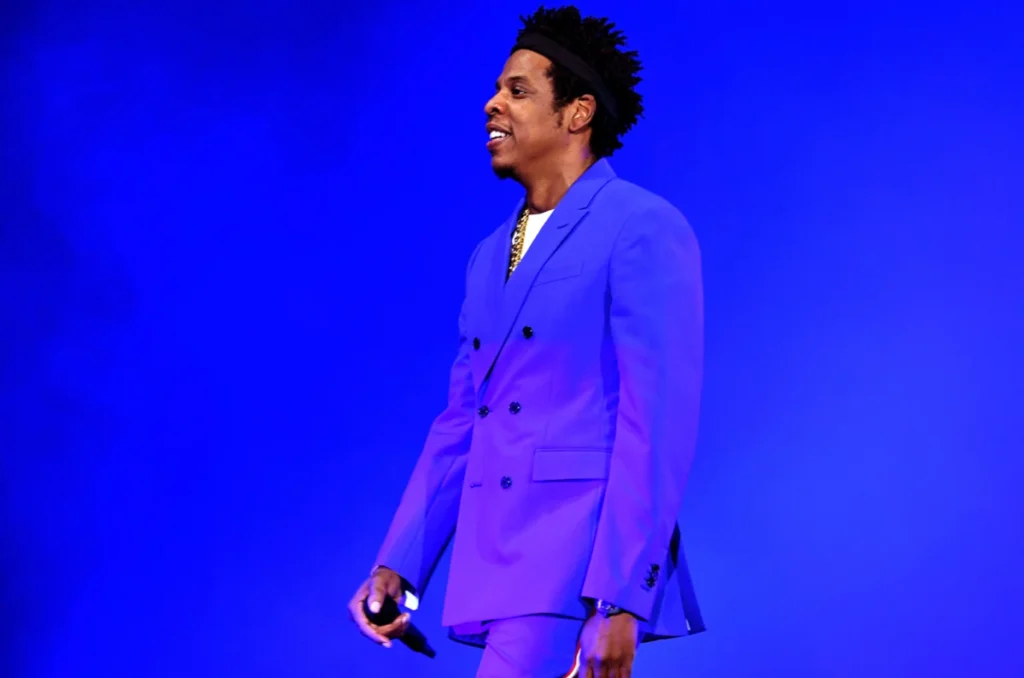
Billboard Boxscore has long served as the definitive ledger for the live music industry, meticulously tracking touring revenue and audience engagement across the globe since the mid-1980s. In a significant update to its historical data, the publication has unveiled the 25 highest-grossing hip-hop acts in Boxscore history, a list that reflects the genre’s monumental ascent from its nascent stages to its current status as a dominant force in popular culture. This latest compilation, as of September 10, 2026, showcases a dramatic shift in the financial landscape of rap tours, with the barrier to entry for the top 25 nearly doubling in just the last two years.

The evolution of rap’s touring prowess is underscored by the sheer scale of financial success. While the threshold for inclusion was $26.1 million in previous iterations, it has surged to $49.1 million. Furthermore, the number of artists who have crossed the $100 million gross mark has grown from ten to fourteen, indicating a significant expansion of the genre’s commercial reach at the highest echelons of live performance. Six new artists have made their debut on this prestigious list, a testament to both the enduring legacy of ’90s pioneers and the burgeoning success of artists who emerged in the 2020s.

The Genesis and Evolution of Hip-Hop Touring
When Billboard Boxscore began charting the music industry, hip-hop was still in its formative years, a vibrant cultural movement bubbling in community centers and neighborhood blocks. From its humble beginnings in a Bronx apartment complex’s recreation room, rap music has transcended its origins to fill stadiums and arenas worldwide, becoming a cornerstone of the global entertainment economy. This transformation is not merely a matter of increased popularity; it represents a profound shift in how music is consumed and monetized, with live performances now playing a crucial role in an artist’s overall financial success.

The data underpinning this list is derived from global figures reported to Billboard Boxscore, encompassing headline engagements only and excluding festival performances. A critical aspect of the calculation is the inclusion of 50% of any co-headline grosses, a methodology that acknowledges the collaborative spirit inherent in many successful rap tours. This approach recognizes that shared star power has been a significant driver of massive box office returns, as evidenced by numerous high-profile co-headlining tours that have captivated audiences and generated unprecedented revenue.

Collaborative Power: The Art of the Co-Headline
The strategic alliance of artists through co-headlining tours has become a hallmark of the modern hip-hop concert experience. This strategy, akin to the collaborative spirit found in studio albums, allows artists to pool their fan bases, attract larger audiences, and ultimately achieve greater financial success. The history of hip-hop touring is replete with examples of such powerful partnerships. Jay-Z, a titan of the genre, has frequently joined forces with peers like Kanye West, creating electrifying spectacles that resonated with millions. Similarly, Eminem has shared the stage with artists such as 50 Cent, leveraging their combined charisma and catalog to deliver unforgettable performances. These collaborations not only maximize revenue but also foster a sense of community and shared artistic endeavor within the hip-hop landscape. The calculation of 50% of co-headline grosses acknowledges this symbiotic relationship, ensuring that both participating artists benefit equitably from the shared venture.

Defining the Genre: Eligibility Criteria
For clarity and precision, Billboard Boxscore’s list adheres to specific eligibility criteria. Only artists who have charted on Billboard’s Top R&B/Hip-Hop Albums chart are considered. This ensures that the list accurately reflects the financial success of artists firmly rooted in the hip-hop genre. Artists who incorporate rapping into their music but fall outside the traditional definition of hip-hop, or whose touring success is primarily driven by other genres, are excluded. For instance, tours supporting pop or country albums by artists like Doja Cat or Post Malone, while significant in their own right, do not contribute to their hip-hop touring totals for this specific ranking. This meticulous approach guarantees the integrity and focus of the list on the commercial impact of hip-hop’s touring giants.

The Ascent of Hip-Hop Revenue: A Statistical Overview
The exponential growth in touring revenue for hip-hop artists is not an abstract concept; it is quantifiable through the data meticulously collected by Billboard Boxscore. The dramatic increase in the minimum gross required to enter the top 25 list—from $26.1 million to $49.1 million—is a powerful indicator of this trend. This near doubling of the threshold in a relatively short period highlights the escalating commercial viability and audience demand for live hip-hop experiences.

The increasing number of artists surpassing the $100 million gross mark further solidifies this observation. With 14 artists now achieving this milestone, up from 10 in previous assessments, it signals a maturing market where top-tier hip-hop tours are consistently capable of generating nine-figure revenues. This financial success is not confined to a select few; the inclusion of six new acts signifies a broadening of the artist pool at the highest levels of commercial touring. These new entrants represent a diverse spectrum of the genre, from emerging artists who have rapidly achieved global recognition to established figures from the ’90s who continue to command massive audiences.

Case Studies: Pioneers and Modern Moguls
While specific names and their exact rankings are part of the comprehensive Billboard Boxscore report, the trends observed provide a fascinating glimpse into the financial powerhouses of hip-hop touring. Artists who have consistently delivered high-grossing tours often possess a combination of factors: a deep and respected catalog, a strong connection with their fanbase, innovative stage production, and strategic touring routes that maximize reach.

The Enduring Appeal of ’90s Legends: Artists who emerged in the 1990s, a period often considered hip-hop’s golden age, continue to demonstrate remarkable drawing power. Their tours are often characterized by nostalgia, a deep appreciation for their foundational contributions to the genre, and a loyal fan base that has grown with them. These artists often command premium ticket prices, reflecting the demand for experiencing their iconic hits live. Their ability to fill stadiums decades into their careers speaks to the timeless nature of their music and their established global brand. Their consistent presence on high-grossing lists underscores the long-term value and cultural impact of their work.

The Rise of 2000s Superstars: The artists who rose to prominence in the 2000s have also solidified their positions as major touring forces. These acts often combine critical acclaim with massive commercial success, translating their chart-topping albums into sold-out arena and stadium tours. Their tours are frequently characterized by elaborate stage shows, high production values, and a dynamic blend of their early hits and newer material, appealing to a broad demographic of hip-hop fans. Their sustained success highlights their ability to adapt to evolving music trends while maintaining a core appeal that resonates with a global audience.

The New Wave: 2020s Upstarts and Their Impact: The inclusion of artists who have achieved prominence in the 2020s is a significant development, showcasing the genre’s continued ability to produce new global superstars. These artists often leverage social media and digital platforms to build massive fan bases, translating online popularity into significant touring success. Their tours may feature cutting-edge visuals, collaborations with other popular artists, and a focus on contemporary sounds and aesthetics. Their rapid ascent to the top of the touring charts demonstrates the dynamic nature of the music industry and the power of new talent to capture the global imagination. These artists are not only making waves in the present but are also shaping the future of hip-hop touring.

The Economic Engine of Hip-Hop Tours
The economic implications of these massive tours extend far beyond the artists and their immediate crews. Stadium tours generate substantial revenue for local economies through ticket sales, merchandise, concessions, and associated travel and hospitality spending. Venue operators, promoters, and a vast network of support staff—from sound engineers and lighting technicians to security personnel and catering services—all benefit from the influx of activity generated by these events.

Furthermore, the success of hip-hop tours reinforces the genre’s dominant position in the global music market. It validates the business models that support artists and labels, and it encourages continued investment in the development of new talent. The ability of hip-hop artists to consistently draw massive crowds to live events demonstrates their enduring cultural relevance and their significant economic impact. This reinforces the notion that hip-hop is not just a musical genre but a powerful cultural and economic force.

Future Trends and Projections
The continued growth of hip-hop touring suggests that the genre’s commercial trajectory is likely to remain upward. Factors such as the increasing globalization of music consumption, the ongoing evolution of digital marketing and fan engagement, and the persistent demand for live entertainment all point towards a bright future for hip-hop’s live performance circuit. As artists continue to innovate in their stagecraft, their business strategies, and their connection with fans, we can anticipate even more impressive box office achievements in the years to come. The data from Billboard Boxscore serves as a compelling narrative of hip-hop’s journey, from its underground roots to its status as a global entertainment behemoth, with its touring revenue continuing to break new ground. The ongoing evolution of the genre ensures that its impact on the live music scene will remain a subject of significant interest and analysis for years to come.
Related News