North Korea Unveils Arirang Smartphone as Symbol of Cultural Identity Amid Regional Tensions
Article Editorial Team
The Democratic People’s Republic of Korea (DPRK) has officially entered the global smartphone race with the introduction of its first domestic mobile device, the Arirang. Named after the peninsula’s most cherished traditional folk song, the smartphone represents more than just a technological milestone for the reclusive state; it serves as a potent symbol of national identity during a period of heightened military and diplomatic friction. While technical analysts remain skeptical regarding the device’s origins and capabilities, the choice of branding highlights the deep-seated cultural resonance of the "Arirang" melody, which continues to serve as a rare point of commonality between the two Koreas and the broader East Asian region.
The Arirang Smartphone and Technological Nationalism
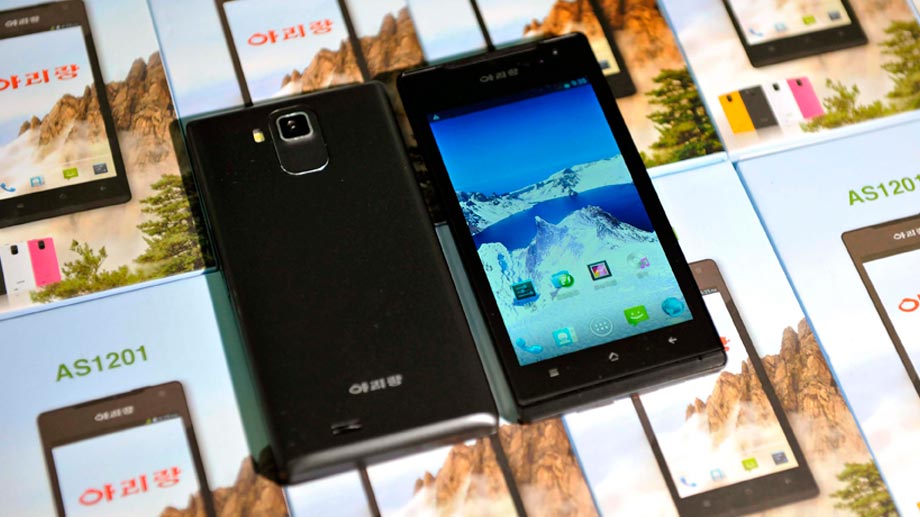
In a highly publicized visit to the "May 11 Factory," North Korean leader Kim Jong-un was pictured inspecting the production line of the Arirang smartphone, also known by its model number AS1201. State media reported that the leader praised the factory for developing a "high-tech" device using "indigenous technology." According to the Korean Central News Agency (KCNA), the phone features a high-resolution camera and a touch screen, running on a modified version of the Android operating system.
However, international technology experts and intelligence analysts have raised questions regarding the "indigenous" nature of the hardware. Observations of the device’s form factor and internal software suggest that the Arirang is likely a rebranded version of a smartphone manufactured by the Chinese company Uniscope. Analysts suggest the components are produced in China and shipped to Pyongyang for final assembly, packaging, and software localization.
Despite these technical caveats, the internal domestic messaging is clear: the Arirang smartphone is a tool of state-sponsored modernization. By branding the device with a name that invokes centuries of Korean history, the DPRK leadership is attempting to fuse modern digital aspirations with traditional nationalist sentiment. This "technological nationalism" mirrors the strategies used by South Korean conglomerates like Samsung and LG, though within the highly controlled and sanctioned environment of the North.
The Cultural Significance of Arirang
To understand why the name "Arirang" was chosen for a piece of telecommunications hardware, one must examine the song’s unique position in the Korean psyche. "Arirang" is not merely a folk song; it is often described as the "unofficial national anthem" of both North and South Korea. Its cultural weight was formally recognized in 2012 when, following a concerted effort by the Republic of Korea (ROK) government, UNESCO added the song to its Representative List of the Intangible Cultural Heritage of Humanity.
Musically, "Arirang" is characterized by its simplicity. It typically follows a pentatonic scale and features a refrain that is easily memorized and sung. Lyrically, however, the song is more elusive. Most scholars agree that the lyrics describe a protagonist watching a lover depart over "Arirang Pass." The word "Arirang" itself has no definitive meaning in modern Korean, leading some linguists to categorize the lyrics as nonsensical or symbolic of a spiritual journey.
Despite this ambiguity, the song evokes a powerful sense of han—a uniquely Korean concept of collective sorrow, resentment, and hopeful endurance. This emotional depth has allowed the song to serve as a vessel for Korean identity throughout various periods of national crisis.
Chronology of a National Anthem
The history of "Arirang" is inextricably linked to the history of the Korean peninsula’s struggles against external forces. While the exact origins of the song are debated—with some estimates dating it back to the Silla Dynasty (57 BCE – 935 CE) and others to the Joseon Dynasty’s reconstruction of Gyeongbokgung Palace in the 1860s—its modern importance solidified during the early 20th century.
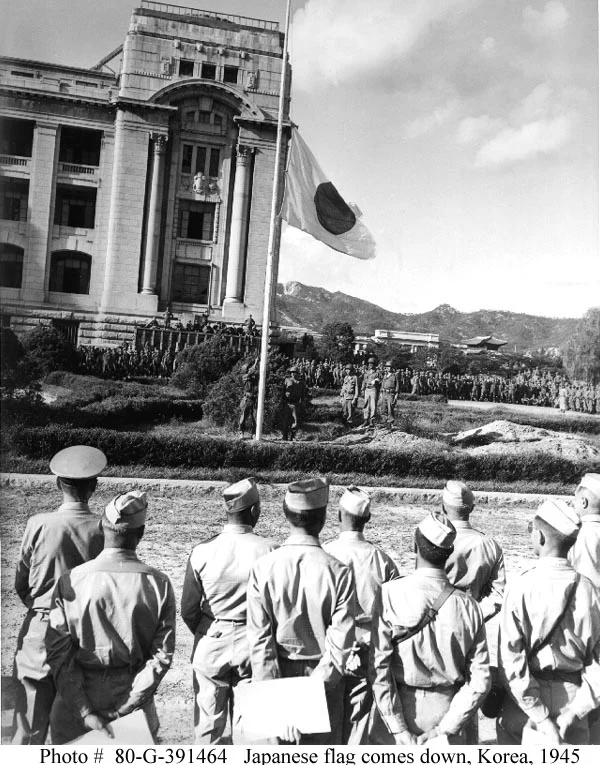
- 1910–1945: The Japanese Colonial Period. During the forced occupation of Korea by the Japanese Empire, "Arirang" became a song of resistance. In 1926, filmmaker Na Woon-gyu released the silent film Arirang, which used the song as its central theme. The film’s portrayal of a man driven to madness by colonial oppression resonated deeply with the public, turning the melody into a symbol of the independence movement.
- 1945–1953: Division and Conflict. Following the liberation of Korea at the end of World War II and the subsequent division of the peninsula by the United States and the Soviet Union, "Arirang" remained a shared heritage. During the Korean War, it was often sung by soldiers on both sides, representing a tragic irony of a unified culture split by ideological warfare.
- The Cold War Era. In the decades following the armistice, both governments utilized the song for political purposes. North Korea developed the "Arirang Mass Games," a massive synchronized performance involving tens of thousands of participants, to showcase the power of the collective state. Meanwhile, South Korea used the song in international sporting events and cultural diplomacy.
- 2012: UNESCO Recognition. The South Korean government successfully petitioned for the song’s inclusion as a UNESCO Intangible Cultural Heritage. Interestingly, North Korea followed suit, submitting its own application for the song to be recognized as part of its own heritage in 2014, highlighting the competitive yet shared nature of the melody.
Regional Dynamics and the Paradox of Popularity
The launch of the Arirang smartphone occurs against a backdrop of complex regional dynamics involving Japan and China. While the song "Arirang" was born out of resistance to Japanese imperialism, it has historically enjoyed immense popularity within Japan itself.

In 1931, "Arirang" became a major pop hit in mainland Japan. Japanese audiences of the era were drawn to the song’s perceived melancholy, which they associated with a romanticized, "simpler" past. This cultural appropriation illustrates a recurring theme in East Asian relations: the ability of cultural products to transcend political and military hostility.
This phenomenon is mirrored today in the "Hallyu" or Korean Wave. Despite ongoing diplomatic disputes between Seoul and Tokyo over historical grievances and territorial claims (such as the Liancourt Rocks/Dokdo/Takeshima), South Korean pop music (K-Pop) and television dramas (K-Dramas) maintain a massive following in Japan. Similarly, within North Korea, there is a documented demand for smuggled South Korean media. Reports from defectors and human rights organizations suggest that K-Dramas are widely viewed in secret, despite the risk of severe punishment by the state.
Technical Specifications and the Digital Divide
The Arirang smartphone is a window into the digital divide that separates North Korea from the rest of the world. While the hardware may resemble a modern smartphone, its functionality is strictly limited by the state’s internal intranet, known as the "Kwangmyong."
- Operating System: The device runs a localized version of Android. Analysts believe the North Korean authorities have disabled standard features like Google Play or unauthorized internet browsers.
- Connectivity: There is no access to the global World Wide Web. Instead, the phone connects to a state-monitored network that provides access to government-approved news, educational resources, and a limited selection of apps.
- Surveillance: Security experts suggest the Arirang likely includes built-in surveillance software designed to track user activity and prevent the viewing of "anti-socialist" content.
The introduction of the Arirang suggests that the DPRK leadership recognizes the necessity of mobile technology for economic management and internal communication but is determined to maintain an absolute monopoly on the flow of information.
Broader Implications and Future Outlook
The naming of a smartphone after "Arirang" is a strategic move to soften the image of a surveillance-heavy technology by wrapping it in the warmth of national tradition. It reflects a broader trend in North Korean policy under Kim Jong-un: the pursuit of "Byungjin," a policy of simultaneously developing the nuclear program and the national economy.
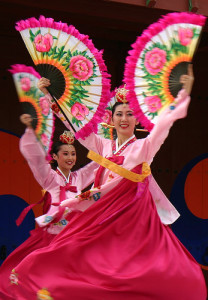
For South Korea and the international community, the Arirang smartphone is a reminder of the enduring power of Korean culture to survive even the most rigid political divisions. The fact that a citizen in Pyongyang and a citizen in Seoul can both identify with the same melody—and now, perhaps, the same brand name for a mobile device—provides a sliver of cultural continuity in a region defined by its schisms.
Ultimately, the Arirang smartphone launch highlights a significant contradiction. While the two Koreas remain technically at war and are locked in a fierce competition for technological and ideological supremacy, they continue to draw from the same well of cultural history. Whether technology will eventually bridge the gap between the two nations or further entrench their separation remains to be seen. However, as long as the name "Arirang" is invoked, it serves as a persistent reminder that the shared identity of the Korean people is a force that predates, and may outlast, the current political impasse.
Related News