K-Pop Industry Navigates Dynamic Week: HORI7ON’s Management Shift, Major Comebacks, and Future Teasers
Article Editorial Team
The week spanning August 31st to September 6th witnessed a characteristic blend of artistic output and significant corporate developments within the highly competitive K-pop industry. While fans celebrated a continuous stream of new music and highly anticipated comebacks, behind-the-scenes, strategic shifts and foundational changes underscored the industry’s complex ecosystem. A pivotal development emerged with the official announcement regarding the termination of the management agreement for global pop group HORI7ON, sending ripples of concern and discussion across their dedicated fanbase and the broader K-pop community. Simultaneously, prominent agencies like JYP Entertainment unveiled new projects, and groups such as ELAST hinted at upcoming releases, keeping the industry’s promotional engines in full swing. This period highlighted the multifaceted nature of K-pop, where artistic creation, rigorous marketing, and intricate business operations constantly intertwine.
Major Development: HORI7ON’s Management Agreement Termination
The most significant news item of the week, with potential long-term implications for a promising act, was the announcement by Atorni, the co-managing agency, regarding the termination of its management agreement with HORI7ON. HORI7ON is a seven-member global pop group formed through the Philippine-Korean survival reality show "Dream Maker," a collaboration between ABS-CBN Entertainment and MLD Entertainment. The group, consisting of Filipino members Jeromy Batac, Marcus Cabais, Kyler Chua, Vinci Malizon, Reymond Salinero, Winston Pineda, and Kim Ng, was designed to be a global sensation, bridging the vibrant entertainment cultures of the Philippines and South Korea. Their formation through a high-profile survival show in 2023 generated considerable excitement, positioning them as a unique act with a built-in international fanbase, particularly strong in Southeast Asia.
The original framework for HORI7ON involved a joint management structure, with MLD Entertainment, known for groups like Momoland and TFN, handling their primary activities in South Korea, and Atorni, a company focusing on talent management and global partnerships, overseeing their operations and development, especially in the Philippines and other international markets. This dual-agency approach was intended to leverage the strengths of both companies to maximize the group’s global potential.
Atorni’s official statement, accessible via their notice board, confirmed the cessation of this management agreement. While the specific reasons for the termination were not immediately detailed, such developments in the K-pop landscape typically stem from a range of factors including strategic realignment, differing creative visions, financial disagreements, or contractual expiry and non-renewal. The announcement, though concise, immediately raised questions among fans (known as "Anchors") regarding the group’s future activities, promotional schedules, and overall direction. The initial uncertainty often leads to considerable online discussion, with fans seeking clarity and reassurance about their beloved artists.
From an industry perspective, the termination of a management agreement for a relatively new group, especially one formed through a globally televised survival show, highlights the inherent volatility and complex contractual dynamics within K-pop. Joint ventures and co-management structures are common strategies for agencies seeking to expand their reach or pool resources, but they also introduce layers of potential complexity. The success of such partnerships hinges on consistent alignment of goals, operational efficiency, and mutual understanding between the collaborating entities. The dissolution of such an agreement necessitates a careful transition period, often involving renegotiation of member contracts, reallocation of responsibilities, and clear communication to all stakeholders, especially the artists and their fanbase. For HORI7ON, this event could mark a significant turning point, potentially leading to a restructuring of their promotional strategy or even a shift in their primary management, with MLD Entertainment likely stepping up to assume more direct control or seeking new partnerships. The long-term impact on the group’s trajectory and their unique position as a Filipino-Korean global pop act will be closely monitored by industry observers and fans alike.
Active Release Schedule: Debuts and Comebacks Fueling the K-Pop Machine
The period from August 31st to September 6th was, as typical for the K-pop calendar, brimming with new musical offerings, reinforcing the industry’s relentless pace. A dedicated YouTube playlist compiled by Seoulbeats, titled "WiR 8/31 to 9/6: Releases," served as a testament to the sheer volume of content unveiled during this single week. While specific artist names for all debuts and comebacks during this exact timeframe were not explicitly detailed in the original brief, the presence of such a compilation underscores the ongoing competitive environment where both established idols and rookie groups vie for attention.

The K-pop industry operates on a highly structured release cycle, often involving meticulously planned comebacks for existing groups and carefully orchestrated debuts for new ones. These events are not merely about releasing music; they are comprehensive campaigns encompassing visual concepts, extensive promotional content (teasers, highlight medleys, music video trailers), rigorous broadcasting schedules on music shows, and robust digital marketing strategies. The objective is multifold: to maintain fan engagement, attract new listeners, achieve high chart rankings on domestic and international platforms, and ultimately, drive album sales and merchandise revenue.
Debuts are critical moments for new groups, representing the culmination of years of rigorous training for idols. Success in this initial phase can dictate a group’s future trajectory, making impactful concepts and strong musical offerings paramount. Agencies invest heavily in these launches, aiming to carve out a unique identity for their new artists in an oversaturated market. Meanwhile, comebacks for established groups are strategic maneuvers designed to build upon previous successes, showcase artistic evolution, and keep their existing fanbase engaged while attempting to broaden their appeal. The frequency of these comebacks, often multiple times a year, reflects the rapid consumption patterns of K-pop fans and the need for continuous content to stay relevant.
The global expansion of K-pop has further intensified this release cycle. Artists are now not just competing domestically but globally, with streaming figures, YouTube views, and social media trends becoming critical metrics of success. The week’s flurry of releases underscores the industry’s dynamism, its capacity for constant innovation, and its commitment to delivering fresh content to a global audience that demands it. This constant flow of music is a foundational pillar of K-pop’s commercial success and its cultural impact worldwide.
Upcoming Anticipation: Teasers and Announcements for Future Projects
Beyond the immediate releases, the week also offered tantalizing glimpses into the future, with several teasers and announcements building anticipation for upcoming projects. These pre-release marketing strategies are integral to the K-pop ecosystem, generating hype and maintaining fan engagement long before the official drops.
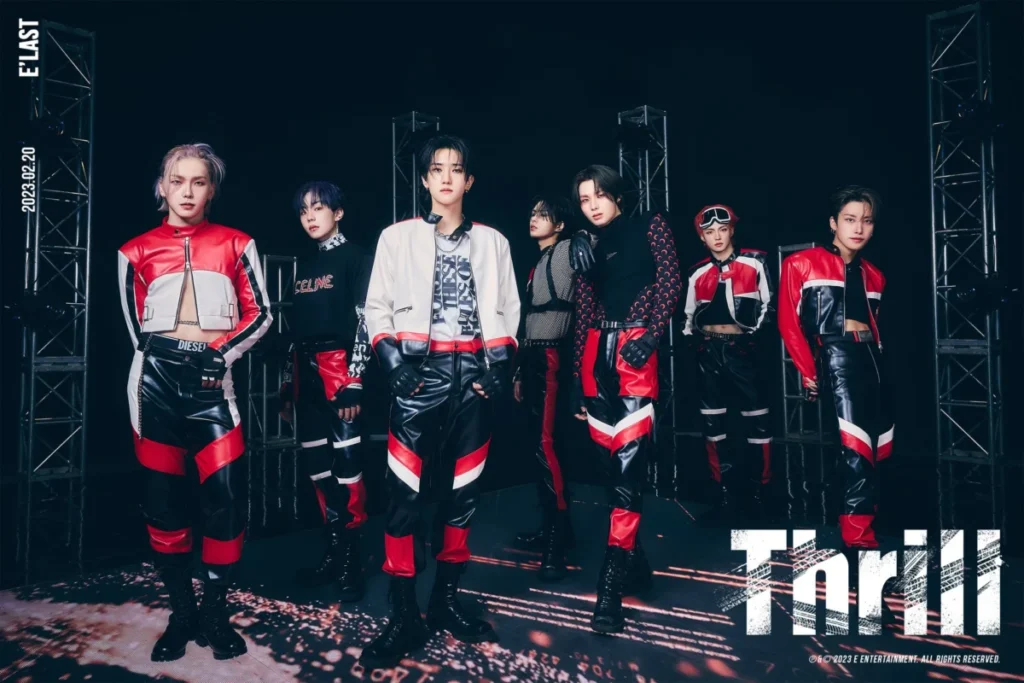
One notable entity engaging in this pre-release activity was the boy group ELAST. An accompanying image dated "20230218_seoulbeats_elast" and mentions of their official X (formerly Twitter) account (@ELASTofficial) suggest that ELAST was actively teasing new content. ELAST, managed by E Entertainment, debuted in 2020 and has steadily built a following with their distinct sound and performance style. Teasers for groups like ELAST typically involve a meticulously rolled-out schedule of concept photos, individual member teasers, tracklist reveals, album previews, and music video trailers. Each piece of content is designed to unveil elements of the upcoming concept, hinting at the musical direction, visual aesthetic, and overall theme of their next comeback. This gradual reveal strategy is crucial for building suspense and ensuring that fans are continuously engaged throughout the comeback preparation period. For ELAST, an upcoming release would be an opportunity to further solidify their identity and expand their fanbase in the competitive landscape.
Another intriguing announcement came from JYP Entertainment via an X account identified as "kickflip_jype." JYP Entertainment is one of the "Big 3" K-pop agencies, responsible for iconic groups like TWICE, Stray Kids, ITZY, and NMIXX. The "kickflip" moniker suggests a new project or sub-label, often used by major agencies to experiment with different musical styles, debut new artists outside their main roster, or collaborate with external talents. JYP’s history is replete with successful artist development and strategic expansions, and any new venture from them immediately garners significant industry attention. The nature of "kickflip_jype" could range from a new boy group or girl group debut to a specialized project group, a new music platform, or an innovative content series. Such announcements from a powerhouse like JYP signal their continuous efforts to innovate, diversify their artist portfolio, and maintain their leading position in the ever-evolving K-pop market. The anticipation surrounding "kickflip" would be high, with fans and industry analysts alike eager to see what new direction JYP intends to "kickflip" into.
These teasers and announcements are not merely promotional tools; they are a vital part of the K-pop fan experience. They foster a sense of community and collective excitement, as fans dissect every detail, speculate on concepts, and engage in social media discussions, effectively becoming active participants in the marketing cycle.
Other News and Industry Insights

Beyond the headline-grabbing debuts, comebacks, and agency announcements, the week also saw various other news items that collectively paint a picture of the K-pop industry’s broader operational context. Mentions of The Chosun Daily and multiple links to Naver articles underscore the role of traditional and digital media in disseminating K-pop news, from major corporate announcements to individual artist activities and broader cultural trends.
The Chosun Daily, as a prominent English-language newspaper in South Korea, often covers national and international news, including major business developments and cultural exports like K-pop. Its inclusion suggests that there may have been broader industry-related news, possibly concerning regulatory changes, international market penetration, economic impacts of K-pop, or even discussions on cultural soft power. While the specific article content is not provided, its presence indicates that K-pop’s influence extends beyond entertainment pages into broader national discourse. This highlights how the industry is increasingly recognized not just as a cultural phenomenon but also as a significant economic and diplomatic asset for South Korea.
Naver, on the other hand, is South Korea’s largest search engine and web portal, serving as a primary hub for entertainment news, fan communities, and artist-generated content. The multiple Naver links provided in the original brief signify the continuous stream of daily updates concerning K-pop idols, including variety show appearances, interviews, fashion spreads, endorsement deals, and minor agency announcements. These articles, while perhaps not reaching the same level of impact as a major group’s management change, collectively form the daily fabric of K-pop news consumption, keeping fans updated on their favorite artists’ day-to-day activities and engagements. Naver’s platform also hosts V Live (now integrated with Weverse), allowing direct communication between idols and fans, further solidifying its role in the K-pop ecosystem.
The inclusion of these diverse news sources demonstrates that the K-pop industry is a complex, multi-layered entity, influenced by artist activities, corporate strategies, media coverage, and fan engagement. The continuous flow of information, from official agency statements to media reports and fan discussions on platforms like X and Naver, illustrates the industry’s transparency and its dynamic interaction with its global audience. The images of Cube Entertainment, Belift Lab, and E Entertainment mentioned in the original context further emphasize the wide array of agencies contributing to this vibrant landscape, each with its own roster of artists and strategic objectives. This diverse agency landscape fosters a highly competitive yet innovative environment, driving the constant evolution and global expansion of K-pop.
Broader Impact and Future Outlook
The week from August 31st to September 6th served as a microcosm of the dynamic forces at play within the contemporary K-pop industry. The termination of HORI7ON’s management agreement underscores the inherent business complexities and contractual intricacies that underpin artist careers, even for groups with significant international potential. Such events necessitate careful navigation by all parties involved and highlight the critical role of sound management and clear strategic alignment in the long-term success of K-pop acts. The outcome for HORI7ON will be closely watched as a case study in agency partnerships and artist welfare.
Concurrently, the consistent stream of new releases, debuts, and comebacks showcased the industry’s unyielding artistic output and its commitment to meeting the insatiable demand for fresh content from a global fanbase. This constant churn of music and visuals is not merely about entertainment; it’s a finely tuned economic engine that drives album sales, concert tours, merchandise, and digital engagement, contributing significantly to South Korea’s cultural exports. The strategic teasers from established entities like JYP Entertainment and rising groups like ELAST demonstrate the sophisticated marketing techniques employed to build anticipation and maintain a continuous dialogue with fans, ensuring sustained interest in upcoming projects.
The diverse array of news sources—from official agency notices on platforms like Atorni to major national newspapers like The Chosun Daily and comprehensive entertainment portals like Naver—illustrates the extensive media coverage and public discourse surrounding K-pop. This broad media engagement reinforces K-pop’s status as a major cultural and economic force, subject to both entertainment headlines and broader industry analysis.
Looking ahead, the K-pop industry is poised for continued global expansion, driven by digital innovation, diverse musical offerings, and increasingly sophisticated international marketing strategies. However, it also faces ongoing challenges related to artist well-being, contractual fairness, market saturation, and adapting to evolving global consumer preferences. The events of this particular week highlight that while the artistic spotlight often shines brightest on the idols themselves, the industry’s trajectory is equally shaped by critical business decisions, strategic partnerships, and the intricate web of agencies, media, and fans that constitute the vibrant K-pop universe. The ability to manage these complex dynamics will be crucial for the industry’s sustained growth and influence in the coming years.
Related News