NCT Renjun Faces Renewed Public Scrutiny and Gender-Based Discourse Following Recent Appearance in Fan Event Footage
Article Editorial Team
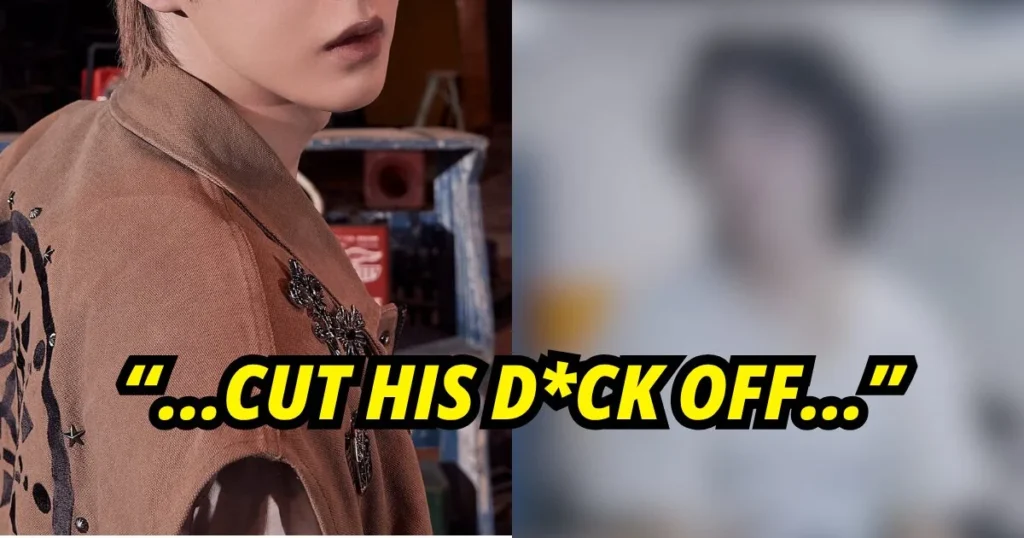
NCT member Renjun has once again become the focal point of intense online discussion following the release of behind-the-scenes footage from a series of fan events held in China. The discourse, which has proliferated across various social media platforms, centers on the idol’s physical appearance and styling choices, sparking a wider debate regarding gender expression, the influence of professional stylists in the K-pop industry, and the persistent issue of cyberbullying directed at public figures. The controversy emerged after a video clip from the "2026 RENJUN & CHENLE FANMEETING [ROOMMATE]" series went viral, showing Renjun in a casual setting that some netizens utilized as a catalyst for speculative and transphobic commentary.
Chronology of Events and the Viral Footage
The current wave of scrutiny is rooted in a promotional video documenting the activities of Renjun and fellow NCT member Chenle during their collaborative fan meeting tour, which included stops in major Chinese cities such as Hangzhou, Beijing, Chengdu, Guangzhou, and Shanghai. In the second episode of the behind-the-scenes series, a segment featured Renjun interacting warmly with a young member of Chenle’s family. In the clip, Renjun is seen sporting a curly "wolf-cut" hairstyle and wearing high-waisted shorts, a look that reflects contemporary androgynous fashion trends frequently seen in the global music industry.
While many fans initially praised the video for its heartwarming depiction of the idol’s personality and his rapport with children, the footage was quickly co-opted by a segment of social media users. On platforms such as X (formerly Twitter), the video was reposted with captions that moved beyond aesthetic critique into the realm of personal identity speculation. Specifically, several posts began questioning if the idol was "transitioning," using his feminine-leaning styling as the sole basis for these claims. This rhetoric triggered a swift and polarized reaction, pitting critics against a dedicated fan base and social commentators who argue that such speculation is both harmful and unfounded.
Historical Context: Renjun’s 2024 Hiatus and Previous Criticism
To understand the intensity of the current situation, it is necessary to examine Renjun’s history with public scrutiny. Since his debut, and particularly leading up to 2024, the idol has been a frequent target of malicious comments regarding his weight, facial features, and general styling. In April 2024, SM Entertainment announced that Renjun would take a temporary hiatus from all activities due to a "worsening of his physical health and symptoms of anxiety." During this period, the agency emphasized that the artist required stability and rest, highlighting the toll that public pressure and malicious online behavior can take on a performer’s well-being.
Renjun himself has been vocal about the impact of these comments. In past interactions with fans on communication platforms like Bubble, he has expressed frustration with individuals who hide behind anonymity to criticize his appearance. His return to activities was met with significant support from the "NCTzen" fandom, but the recent resurgence of negative discourse suggests that the challenges facing the idol have not dissipated. The transition from criticizing his "visuals" to questioning his "gender identity" represents a shift in the nature of the harassment he faces, moving from body-shaming to more complex forms of identity-based prejudice.
The Role of Professional Styling in the K-pop Industry
A central point of defense raised by supporters and industry analysts is the nature of K-pop production. In the South Korean entertainment industry, an idol’s "look"—including hair, makeup, and wardrobe—is rarely a matter of personal choice for official content. Stylists and creative directors at agencies like SM Entertainment curate specific aesthetics to fit the "concept" of an era or a specific event. The "wolf-cut" and androgynous styling seen in the fan meeting footage are consistent with the "soft-masculinity" and gender-neutral fashion trends that have been a staple of K-pop for decades.
Critics of the transphobic rhetoric point out that holding an individual artist "guilty" of a perceived social transgression based on a professional outfit is a logical fallacy. As one fan noted in a viral rebuttal, the styling was a deliberate choice by a professional team, and treating the artist as if he had "personally committed a crime" for wearing the assigned wardrobe is an overreach. This highlights a broader misunderstanding of the K-pop machinery, where the line between the individual’s personal identity and the manufactured stage persona is often blurred by the public.

Analysis of Social Media Trends and "Engagement Farming"
The rapid spread of the transphobic comments has also been linked to the "Dead Internet Theory" and the rise of "engagement farming." On modern social media platforms, controversial or inflammatory posts often receive higher visibility due to algorithmic prioritization of "engagement"—even if that engagement is largely negative or argumentative. Observers have noted that some accounts may intentionally post provocative questions about an idol’s gender or appearance not out of genuine curiosity, but to trigger a massive influx of replies and "quote-tweets" from defensive fans, thereby increasing the account’s reach and monetization potential.
This environment creates a toxic cycle where the artist becomes a pawn in a digital economy of outrage. The "Roommate" video, which was intended to be a lighthearted piece of content for fans, was transformed into a battleground for gender politics and digital harassment. This phenomenon is not unique to Renjun but has become an increasingly common hurdle for K-pop idols who possess a high level of global visibility.
Implications for Mental Health and Artist Protection
The implications of this ongoing scrutiny extend beyond social media debates and into the realm of mental health and legal protection. South Korea has seen a significant shift in how entertainment agencies handle malicious comments following a series of tragedies within the industry. SM Entertainment, in particular, has implemented the "KWANGYA 119" system, a dedicated reporting center where fans can submit evidence of defamation, sexual harassment, and malicious rumors directed at their artists.
Legal experts suggest that the comments questioning Renjun’s gender identity in a derogatory manner could potentially fall under defamation or insult laws, depending on the jurisdiction and the specific nature of the posts. Furthermore, the psychological impact of being subjected to constant, identity-based speculation cannot be understated. For an artist who has already taken a hiatus due to anxiety, the resurgence of high-volume online harassment poses a direct threat to their professional longevity and personal safety.
Broader Cultural Impact and the Evolution of Masculinity
The reaction to Renjun’s appearance also reflects a cultural clash between different segments of the global audience. While K-pop has long embraced "flower boy" (kkonminam) aesthetics—which prioritize soft features, makeup, and fashion-forward styling—these looks can sometimes be misinterpreted or weaponized by audiences unfamiliar with the cultural context of South Korean masculinity.
In many Western contexts, androgyny is often viewed through the lens of gender identity politics, whereas in the K-pop industry, it is frequently utilized as a versatile aesthetic tool. The backlash against Renjun suggests a narrowing of acceptable gender expression in the eyes of certain online demographics, where any deviation from traditional masculine norms is met with suspicion. Conversely, the vigorous defense of Renjun by his fans demonstrates a growing segment of the population that advocates for the right to aesthetic freedom without the burden of identity-based labeling.
Conclusion and Future Outlook
As of the latest reports, SM Entertainment has not issued a specific statement regarding the recent comments on the fan meeting footage, though the agency continues to monitor malicious activity through its established legal channels. Renjun remains active with NCT Dream, focusing on his professional commitments and connecting with fans who support his artistic growth.
The situation serves as a stark reminder of the complexities of modern celebrity. For idols like Renjun, the price of global fame often includes being subjected to a microscope that examines every wardrobe choice and hairstyle through a lens of prejudice. The ongoing discourse underscores the need for more robust digital literacy and empathy in online spaces, as well as the continued necessity for entertainment agencies to prioritize the mental health of their artists over promotional cycles. Whether this incident will prompt a change in how SM Entertainment manages Renjun’s public image or leads to more aggressive legal action against commenters remains to be seen, but the conversation it has sparked about gender, fashion, and the ethics of online commentary is likely to persist within the K-pop community for some time.
Related News