The Face of Modern South Korea Analyzing the Intersection of K-Pop Plastic Surgery and Societal Pressure
Article Editorial Team
The landscape of South Korean entertainment and its broader society has become inextricably linked with the industry of aesthetic enhancement. In the dense forest of K-entertainment, it is nearly impossible to navigate without encountering discourse regarding plastic surgery. Digital footprints for any major celebrity on search engines like Naver, Daum, or Google almost invariably lead to auto-suggestions regarding "before and after" photos or surgical speculation. While the topic was once shrouded in secrecy, it has moved into a space of public debate, fueled by both the candidness of certain stars and the undeniable visual homogeneity seen in national beauty pageants.
The Normalization of Cosmetic Enhancement in Entertainment
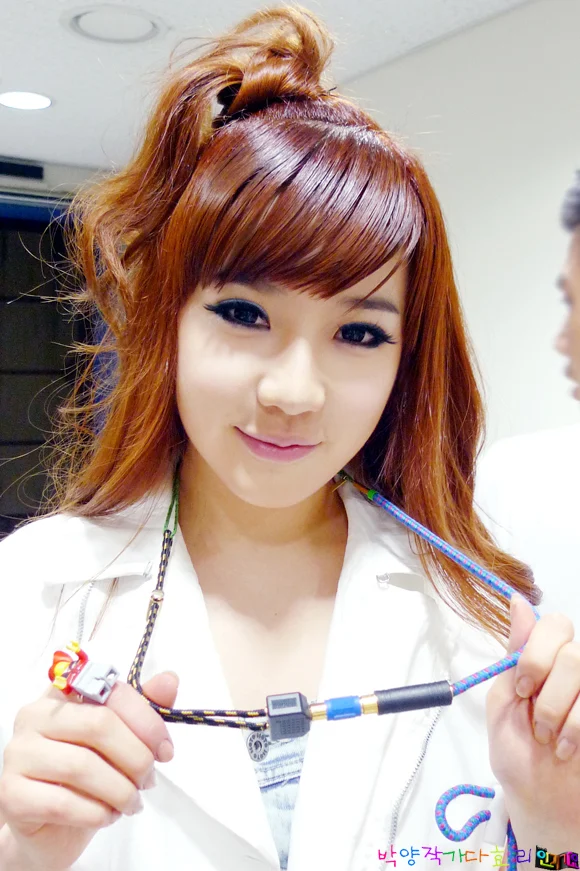
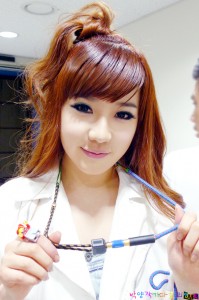
In the South Korean entertainment industry, the relationship between stardom and surgical enhancement is often described as symbiotic. While many celebrities historically denied undergoing procedures, the sheer ubiquity of the practice has made such denials increasingly difficult to maintain. For instance, the solo artist G.NA and Park Bom have frequently been at the center of public analysis regarding their evolving features. In other cases, stars have been forced into honesty after previous denials were debunked. Hyorin, a member of the prominent group SISTAR, famously admitted to undergoing double eyelid surgery (epicanthic fold correction) after having initially claimed a natural appearance.
This cycle of denial and admission highlights the complex tightrope celebrities must walk. They are expected to embody a specific, often narrow, standard of beauty while simultaneously maintaining the illusion of "natural" perfection. However, as the industry matures, some figures have begun to shift the narrative from one of shame to one of personal choice and psychological well-being.
A Public Debate: Personal Satisfaction vs. Marital Oaths
The discourse recently reached a new level of public engagement during a televised exchange between solo singer G.NA and comedian Lee Yoon-suk. The debate was sparked when Lee voiced his disapproval of his wife potentially seeking plastic surgery, labeling such an act a "violation of their marriage oath." Lee’s perspective represented a traditionalist view, arguing that if a partner finds their spouse perfect as they are, there is no moral or practical ground for alteration.
G.NA, however, offered a rebuttal centered on "personal satisfaction and happiness." She cited her grandfather’s experience with hair transplants, noting the significant boost in his self-esteem and overall quality of life following the procedure. Her argument posited that cosmetic surgery is not necessarily about pleasing others, but about correcting perceived personal insecurities to achieve a better mental state. While the debate ended with G.NA expressing frustration over what she perceived as male misunderstanding of female self-image, the exchange underscored a growing divide in Korean society: the tension between traditional values and the modern "right" to self-reconstruction.

The Miss Daegu Controversy: A Case of Visual Homogeneity
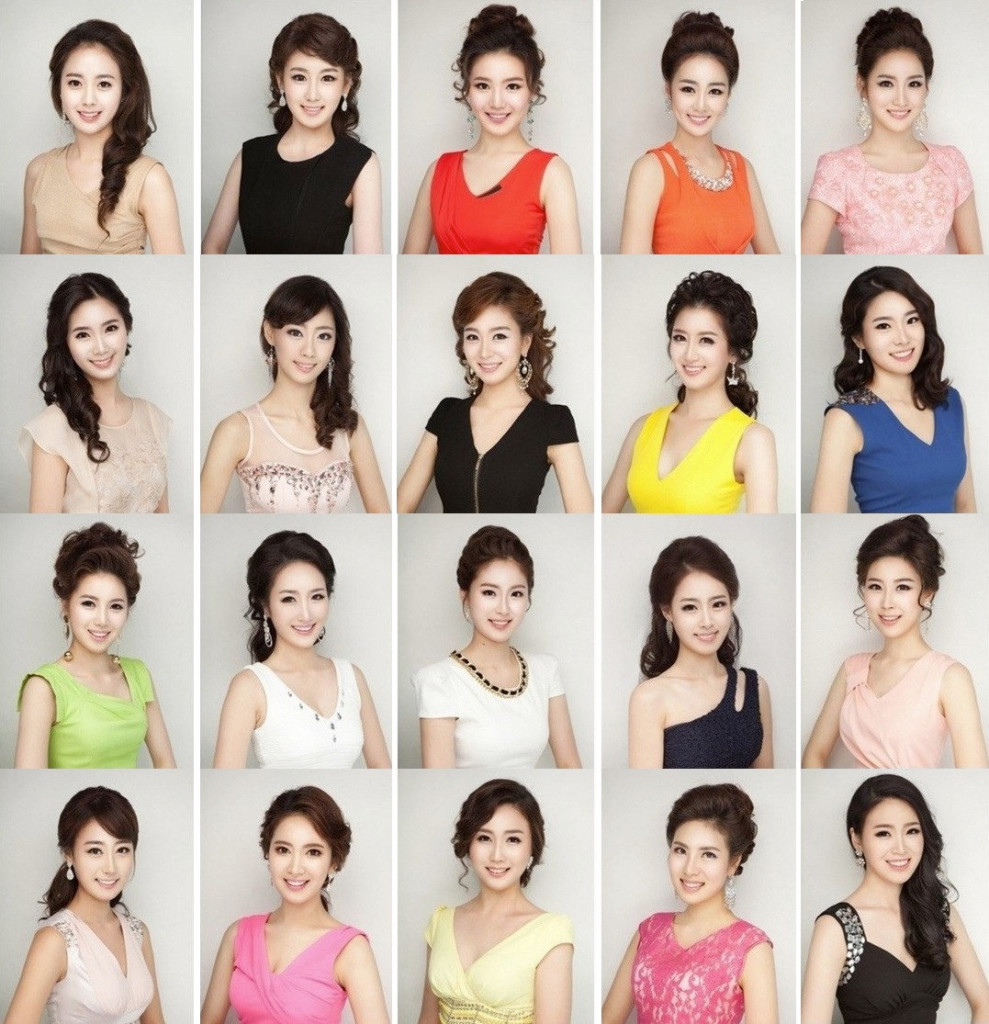
The debate over the "manufactured" nature of Korean beauty reached a fever pitch with the introduction of the twenty candidates for the 2013 Miss Daegu pageant. When the official photographs were released, international observers and domestic critics alike pointed out the striking similarities between the contestants. The women shared nearly identical features: large eyes with pronounced double eyelids, high and narrow nose bridges, porcelain skin, and the "V-line" heart-shaped jawline.
This phenomenon led to a global discussion about the "K-pop clone" effect. Critics argued that the candidates no longer represented the diverse beauty of the region but rather the skill of the surgeons in Seoul’s Apgujeong district, often referred to as the "Beauty Belt." Among the contestants was Kwak Ka-hyun, who eventually represented South Korea in international competitions, further cementing the idea that the "constructed" face had become the official face of the nation’s beauty standards.
Statistical Context: The Global Leader in Aesthetic Procedures
The prevalence of these procedures is supported by staggering data. According to reports from the International Society of Aesthetic Plastic Surgery (ISAPS), South Korea consistently maintains the highest rate of plastic surgery per capita in the world. In Seoul alone, the Gangnam district houses over 400 specialized clinics.
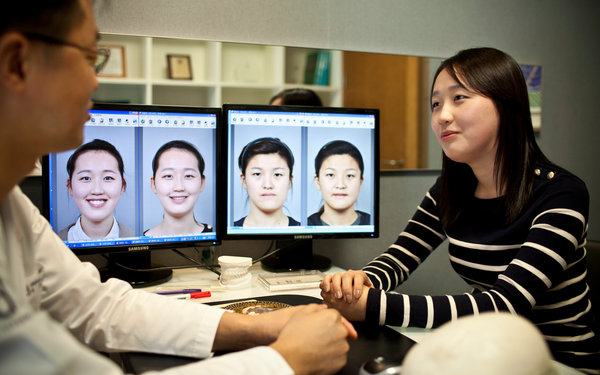
The economic and social infrastructure of the country is designed to support this industry. Advertisements for "bone-shaving" (maxillofacial surgery), rhinoplasty, and eye-widening procedures are ubiquitous in subway stations and on public buses. This accessibility has moved plastic surgery out of the realm of luxury and into the realm of routine maintenance for many young South Koreans.
The Societal Engine: Pressure, Employment, and the Media
The drive toward surgical enhancement is not merely a matter of vanity but is often a calculated response to intense societal pressure. In South Korea’s highly competitive job market, "lookism"—discrimination based on physical appearance—is a documented reality. Many resumes require a photograph, and it is widely believed that a "pleasing" face can provide a competitive edge in hiring processes.
The media plays a critical role in reinforcing these standards. K-pop idols are marketed as the pinnacle of human perfection. Their images are used to sell everything from luxury cars to bottled water, creating a constant visual loop of what is considered "ideal." When a celebrity is revealed to be a "natural beauty" (someone who has achieved the ideal without surgery), it becomes major national news precisely because it is so rare.
Conversely, those who do not fit the mold are often relegated to specific, often derogatory, roles in media. In the world of Korean variety shows, "gagwomen" like Kim Shin-young or Jung Ju-ri frequently build their entire acts around self-deprecation regarding their appearance. Unlike in Western media, where figures like Tina Fey or Lena Dunham can be both comedic and celebrated as beauty icons in high-fashion contexts (such as Fey’s Vanity Fair spreads), the Korean system rarely allows for such crossover. Those deemed "unattractive" by conventional standards are often the target of ridicule, as seen in music videos like 8eight’s Lee-hyun’s, which utilized Jung Ju-ri’s image as a comedic foil for "ugliness."
Comparing Cultural Narratives: The Search for Alternative Voices
The saturation of a single beauty standard in South Korea stands in contrast to the fragmented but growing "body positivity" movements in the West. While Western media is far from immune to unrealistic beauty standards, there are competing voices. As noted by American satirist Tina Fey in her memoir BossyPants, the Western "laundry list" of beauty attributes is exhausting and contradictory—requiring everything from "Jamaican dance hall asses" to "Caucasian blue eyes." However, the presence of these critiques allows for a modicum of pushback against a singular aesthetic.
In South Korea, such dissenting voices have historically been quieter. The media onslaught practically glorifies the "knife" as a tool for social mobility and romantic success. This creates a vicious cycle: as more people undergo surgery to look like idols, the standard for "normal" shifts further toward the "enhanced," making those with natural, diverse features feel increasingly marginalized.
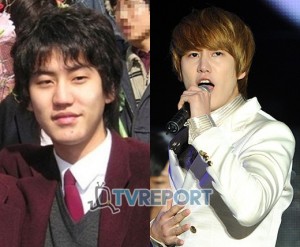
Broader Impact and Implications
The implications of this cultural shift are profound. The decision to undergo surgery is moving from a personal choice to a societal requirement. When a society validates a specific, manufactured look by granting it fame, employment, and status, it effectively removes the "choice" from the individual. The practice becomes ensconced in a societal structure that favors the results of the procedure over the inherent diversity of the human face.
However, there are signs of a burgeoning shift. Some K-pop groups and celebrities have begun to speak more candidly about the pain and the pressure associated with these procedures. Groups like Brown Eyed Girls have used their platform to satirize the obsession with plastic surgery, and a small but growing number of "natural" models are gaining traction on social media.
Until these alternative voices grow loud enough to challenge the multi-billion-dollar beauty industry and the media conglomerates that support it, the "Beauty Belt" of Seoul will likely continue to produce the "special snowflakes" of the pageant world—each one beautiful, yet each one increasingly indistinguishable from the last. The future of Korean beauty may depend on whether the society can learn to celebrate the "natural" as much as it currently celebrates the "perfected."
Related News