Chungha Rushed To The Emergency Room Due To Health Issue
Article Editorial Team
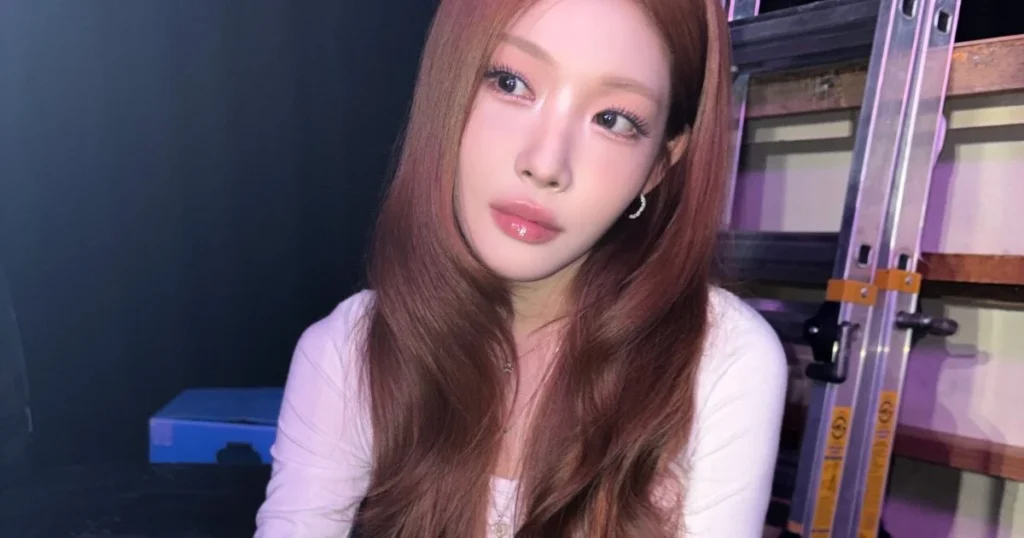
Kim Chungha, the acclaimed South Korean singer and former I.O.I member, was urgently transported to the emergency room in the early hours of Thursday, September 18, 2026, due to an undisclosed health issue. This sudden medical emergency has led to the immediate cancellation of her highly anticipated performance at the Kyonggi University Seoul Campus Homecoming Festival, "Deja Vu," scheduled for later the same day. Her agency, MORE VISION, released an official statement confirming the situation and expressing profound apologies for the unavoidable disruption.
Chronology of Events Leading to Hospitalization
The incident unfolded in the pre-dawn hours of September 18. While specific details regarding the onset of Chungha’s health concerns remain private, the urgency of her condition necessitated immediate medical attention, leading to her being rushed to a local emergency medical facility. This unexpected turn of events swiftly impacted her pre-scheduled public engagements.
Early Morning, September 18, 2026 (KST): Chungha experiences a health issue that requires emergency medical intervention. She is transported to an emergency room, where she is currently undergoing treatment and evaluation.
Shortly After Hospitalization: MORE VISION, Chungha’s management agency, begins assessing the situation and its implications for her immediate schedule. Recognizing the severity and the need for the artist to prioritize her health, the decision is made to cancel her upcoming performance.
Official Announcement from MORE VISION: At 05:29 AM KST on September 18, MORE VISION issued a formal statement to the public and media outlets. The statement, released via official channels, informed fans and stakeholders about Chungha’s hospitalization and the subsequent cancellation of her performance. The agency conveyed its sincere regrets to Kyonggi University staff and students, acknowledging the inconvenience caused by the sudden news. They further affirmed their commitment to supporting Chungha’s full and swift recovery, while also extending wishes for a successful Kyonggi University Homecoming Festival despite her absence.
Kyonggi University’s Response: Following MORE VISION’s announcement, Kyonggi University confirmed Chungha’s withdrawal from the festival lineup. University officials immediately initiated efforts to secure a replacement artist to ensure the continuity and success of the "Deja Vu" stage. This proactive response aimed to mitigate disappointment among attendees who had been eagerly anticipating Chungha’s appearance.

Chungha’s Illustrious Career and Demanding Schedule
Chungha, born Kim Chan-mi, first rose to prominence as a member of the project girl group I.O.I, formed through the Mnet survival show Produce 101 in 2016. Following I.O.I’s disbandment, she launched a highly successful solo career, cementing her status as one of K-pop’s most dynamic and revered female artists. Known for her powerful vocals, intricate choreography, and captivating stage presence, Chungha has consistently delivered chart-topping hits such as "Gotta Go," "Roller Coaster," "Snapping," and "Bicycle." Her transition to MORE VISION, a label founded by prominent artist Jay Park, in 2023 marked a new chapter in her career, promising fresh musical directions and continued artistic growth. Her recent activities, including the release of her single "EENIE MEENIE" in 2024, have maintained her strong presence in the industry.
The life of a K-pop idol, particularly one of Chungha’s caliber, is characterized by an exceptionally rigorous and demanding schedule. Artists are routinely subjected to intense practice regimens, exhaustive recording sessions, relentless promotional activities, international tours, and a myriad of public appearances and endorsements. This constant cycle of creation and performance places immense physical and mental strain on idols. The industry’s highly competitive nature often pushes artists to their limits, with tight deadlines for comebacks and continuous pressure to maintain a high public profile. For a "performance queen" like Chungha, whose artistry heavily relies on complex dance routines and high-energy stage presence, the physical toll can be particularly significant. The need for meticulous preparation, coupled with frequent travel and irregular sleep patterns, makes idols susceptible to various health issues, ranging from severe fatigue and weakened immune systems to more serious conditions that can arise from sustained stress.
The Broader Context of Idol Health in K-Pop
Chungha’s emergency hospitalization underscores a critical and ongoing conversation within the K-pop industry regarding artist welfare and the sustainability of demanding schedules. Over recent years, there has been increasing public and media scrutiny of the intense pressures faced by idols. Numerous instances of artists experiencing burnout, anxiety disorders, physical ailments, and even withdrawing from activities due to health concerns have brought this issue to the forefront. Agencies are now more frequently issuing statements regarding artist health, and while the underlying issues often remain undisclosed, the pattern highlights a systemic challenge.
The industry has seen a gradual shift towards acknowledging and addressing these concerns, with some agencies implementing stricter protocols for artist breaks, mental health support, and more balanced schedules. However, the commercial imperatives of the K-pop machine, driven by global demand and fierce competition, continue to present significant challenges to fully realizing these welfare goals. Fan communities, too, have become vocal advocates for their idols’ well-being, often calling for agencies to prioritize health over relentless promotion. This collective awareness is slowly but surely pushing for reforms that could lead to a healthier environment for artists.
Impact on Kyonggi University and Festival Logistics
The Kyonggi University Seoul Campus Homecoming Festival is a significant annual event, serving as a focal point for student engagement, community building, and alumni relations. Live performances by popular K-pop artists are often a major draw, contributing substantially to the festival’s atmosphere and attendance. Chungha’s planned performance was undoubtedly a key highlight for the "Deja Vu" stage, and her last-minute cancellation presents immediate logistical and emotional challenges for the university and its student body.
From a logistical standpoint, securing a replacement artist on such short notice is a formidable task. Event organizers must navigate scheduling conflicts, contractual agreements, and the availability of other suitable performers, all while managing audience expectations. The university’s prompt confirmation of the cancellation and their stated efforts to find a substitute demonstrate a commitment to minimizing disruption and ensuring the festival’s continued success. For the students and staff involved in organizing the event, the sudden change necessitates rapid adjustments to the performance lineup, stage management, and public communication strategies. Emotionally, students who were eagerly anticipating Chungha’s performance may experience disappointment, though this is typically tempered by an understanding of the circumstances and an outpouring of concern for the artist’s health. Social media platforms are likely to be abuzz with messages of support for Chungha, alongside discussions about the festival’s altered schedule.
Agency Response and Future Implications
MORE VISION’s swift and transparent communication regarding Chungha’s health emergency is crucial in managing public perception and maintaining trust. The agency’s statement, while brief on specific medical details, effectively conveyed the seriousness of the situation, the necessity of the cancellation, and their primary focus on Chungha’s recovery. This approach is standard practice in crisis management within the entertainment industry, aiming to provide essential information without violating the artist’s privacy or fueling undue speculation.

The commitment expressed by MORE VISION to "do everything in our power to support the artist’s swift recovery" signals a responsible approach to artist management. Depending on the nature and severity of Chungha’s health issue, her immediate future schedule will likely be subject to careful review and potential adjustments. This could involve postponing upcoming promotional activities, recording sessions, or public appearances to allow for a full recuperation period. Such decisions require a delicate balance between prioritizing the artist’s well-being and managing contractual obligations and fan expectations. Agencies are increasingly aware that sustained artist health is paramount for long-term career viability and public goodwill. A forced break, while inconvenient in the short term, can ultimately be beneficial for an artist’s physical and mental resilience, preventing more severe health crises down the line.
Fan Reactions and Public Discourse
The news of Chungha’s emergency room visit immediately triggered an outpouring of concern and support from her global fanbase, known as Byulharang. Social media platforms, particularly X (formerly Twitter) and Instagram, quickly became avenues for fans to express their well-wishes, share messages of encouragement, and call for Chungha to prioritize her health above all else. Hashtags related to her name and "GetWellSoonChungha" likely trended, reflecting the strong emotional connection between idols and their dedicated followers.
This incident also reignites the broader public discourse surrounding idol health and the pressures of the K-pop industry. Comment sections and online forums are expected to feature discussions not only about Chungha’s specific situation but also about the general state of artist welfare, the need for more humane working conditions, and the role of agencies in protecting their talent. Such discussions contribute to an evolving narrative that increasingly emphasizes the human aspect of K-pop stars, moving beyond their glamorous stage personas to acknowledge their vulnerability and the demanding nature of their profession. This collective concern from fans and the general public often serves as a significant impetus for agencies and the industry as a whole to re-evaluate and improve their practices.
Conclusion and Outlook
Chungha’s emergency hospitalization serves as a stark reminder of the inherent pressures within the highly competitive K-pop industry and the fragility of even the most resilient artists’ health. While the specific details of her condition remain undisclosed, the swift action taken by MORE VISION and the university highlights the immediate priority placed on her well-being and the logistical challenges that arise from such unforeseen circumstances.
The focus now shifts entirely to Chungha’s recovery. Her dedicated fanbase and the wider K-pop community will undoubtedly monitor updates from MORE VISION, hoping for positive news regarding her health and a swift return to her vibrant activities once she is fully recuperated. This event, like others before it involving prominent K-pop figures, will likely continue to fuel the ongoing dialogue about artist welfare, prompting agencies to continually assess and refine their approaches to managing the intense demands placed on their talent. Ultimately, the long-term success of the K-pop industry hinges not only on the brilliance of its stars but also on the sustainable well-being of the individuals who bring that brilliance to life.
Related News