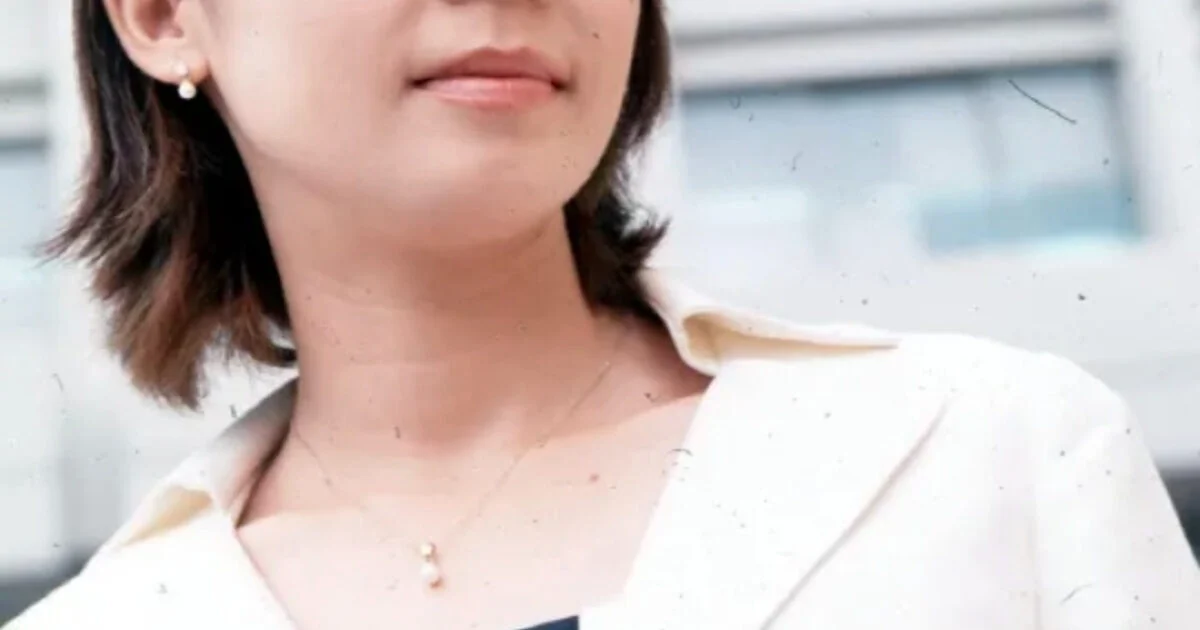
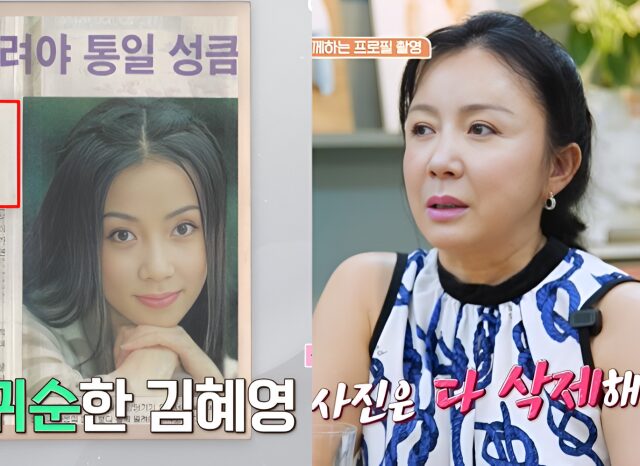
Kim Hye Young, the pioneering North Korean defector-actress once hailed as the "North Korean Hwang Shin Hye" and "North Korean IU," has officially marked her return to the South Korean entertainment industry following an eight-year absence. Her reappearance on the Channel A variety program Beauty Clinic Touch Me, which aired on September 25, has sparked significant public interest, not only due to her former status as a prominent cultural figure but also because of the candid revelations regarding the personal and legal tribulations that necessitated her long withdrawal from the public eye.
The Return to Broadcasting: A Mother’s Motivation
Kim Hye Young’s appearance as the primary guest on Beauty Clinic Touch Me served as a platform for her to address the rumors and questions surrounding her nearly decade-long hiatus. During the broadcast, Kim detailed the emotional and physical toll of her time away, citing a combination of family responsibilities and deep-seated personal trauma.
The catalyst for her return, she revealed, was a poignant conversation with her son. As her son entered puberty, he observed a lack of genuine joy in his mother’s daily life. Kim recounted a specific moment when her son asked, "Mom, when are you happiest?" When she replied that she felt most fulfilled while working in broadcasting, he responded, "Mom only smiles when you do what makes you happy." This realization—that her internal struggle was visible to her child and affecting the family dynamic—prompted her to seek a path back to her career.
A Chronology of Personal and Legal Hardships
The eight-year gap in Kim’s career was characterized by a series of cascading crises that would challenge any public figure. Her narrative is one of significant resilience in the face of three failed marriages and substantial financial victimization.
The Breakdown of Marriages
Kim’s personal life has been a subject of public scrutiny since her defection in the late 1990s. Her first marriage ended shortly after her entry into the South Korean entertainment scene. Her second marriage was to fellow actor Kim Sung Tae; the couple had a son together, but the relationship eventually ended in divorce.
The most significant legal and emotional blow came during her third marriage. In 2018, her then-husband was arrested on grave charges involving stock price manipulation and violations of the Capital Markets Act. This incident not only led to the dissolution of the marriage but also entangled Kim in a web of social and financial complications. The stress of being associated with a high-profile white-collar crime, despite her lack of direct involvement in the illicit activities, contributed heavily to her decision to retreat from the spotlight to protect her son and her remaining assets.
Financial Fraud and Victimization
In addition to her marital struggles, Kim disclosed that she had fallen victim to fraud. For North Korean defectors, navigating the complex financial systems of South Korea can often be a perilous endeavor. Statistics from the North Korean Refugee Foundation (NKRF) suggest that defectors are disproportionately targeted by financial scammers due to a lack of familiarity with South Korean legal protections and investment norms. Kim’s experience reflects a broader systemic issue where high-profile defectors are targeted by predatory individuals seeking to exploit their earnings and public standing.
The Physical and Psychological Toll of Chronic Stress
The cumulative effect of these hardships manifested in significant health challenges. On the program, Kim shared that the stress of her third divorce, combined with the onset of menopause and the pressures of raising a son through puberty, led to a rapid decline in her physical well-being. She reported gaining 8 kilograms within a six-month period, a change she attributed to emotional eating and hormonal shifts brought on by chronic stress.
In a segment featuring her close friend, comedian Kim Hyun Young, the actress discussed the difficulty of maintaining a public image while dealing with private grief. Kim Hyun Young, also a divorcee, encouraged Kim Hye Young to consider the possibility of new companionship, stating, "Is divorce a sin? I’m divorced too." However, Kim Hye Young’s response signaled a definitive shift in her life philosophy. Having undergone three divorces, she expressed a firm commitment to self-preservation, stating that she is no longer "investing in men" and would instead "invest in her own face" and well-being.
Socio-Cultural Context: North Korean Defectors in South Korean Media
To understand the weight of Kim Hye Young’s return, one must look at the historical context of North Korean defectors in the ROK (Republic of Korea) media landscape. Kim was one of the first defectors to achieve mainstream "celebrity" status in the early 2000s. Her nicknames—referencing Hwang Shin Hye, a legendary actress known for her "computer-perfect" beauty in the 1980s and 90s, and IU, the modern-day "Nation’s Little Sister"—underscore the high level of affection and beauty standards the South Korean public associated with her.
The Evolution of the "Defector Celebrity"
Initially, North Korean entertainers were often cast in roles or programs that emphasized their "otherness" or focused strictly on the hardships of life in the North. Kim Hye Young broke this mold by successfully transitioning into general acting and singing, appearing in dramas and releasing albums that competed on level ground with South Korean-born artists.
Her hiatus coincided with a shift in South Korean television, where programs like Now on My Way to Meet You and Moranbong Club popularized a "talk show" format for defectors. While these shows provided a platform for many, Kim’s absence was felt by those who remembered her as a pioneer who didn’t just talk about the North, but actively participated in the South’s cultural industry as a versatile entertainer.
Analysis of the Challenges Faced by Defector Public Figures
Kim Hye Young’s trajectory highlights the unique vulnerabilities faced by North Korean defectors who achieve fame in the South.
- Isolation and Support Networks: Unlike South Korean celebrities who often have extensive local family networks to rely on during scandals or divorces, defectors often lack this foundational support. The "social capital" required to navigate legal battles (such as those involving the Capital Markets Act) is often harder to acquire for those who did not grow up in the ROK system.
- Stigma of Divorce: While divorce rates in South Korea have risen significantly—with the Korea National Statistical Office reporting approximately 100,000 divorces annually—the stigma remains potent, particularly for women in the public eye. For a defector who is already viewed through a lens of "integration," multiple divorces can lead to intensified public judgment.
- Economic Vulnerability: The transition from a state-controlled economy to a hyper-capitalist one makes defectors particularly susceptible to investment fraud. Kim’s mention of being a fraud victim is a common narrative among defectors who find themselves with sudden wealth from entertainment but limited experience in wealth management.
Broader Implications and Future Prospects
Kim Hye Young’s return marks a significant moment of personal reclamation. By choosing to appear on Beauty Clinic Touch Me, a show focused on aesthetic and psychological rejuvenation, she is signaling a desire to rebuild her image on her own terms.
The reaction from the public and the industry has been largely supportive, reflecting a growing maturity in how South Korean society views the personal lives of its entertainers. There is an increasing recognition that the "defector" label should not preclude an individual from the complexities of modern life, including the right to fail, the right to privacy, and the right to a second (or fourth) act.
As Kim moves forward, her focus on "investing in herself" rather than seeking external validation through marriage represents a broader trend of female empowerment within the South Korean celebrity sphere. Her story serves as a case study in resilience, illustrating that while the path to integration and personal happiness for a defector is fraught with unique obstacles, the agency to return to one’s passion remains a powerful tool for recovery.
In the coming months, industry insiders expect Kim to expand her activities beyond variety shows into acting and perhaps music, leveraging the nostalgic appeal she holds for older generations and the curiosity of younger viewers who are just now being introduced to "North Korea’s IU." Her journey back to the screen is not merely a career move; it is a public declaration of survival and a testament to the enduring bond between a mother and her son.