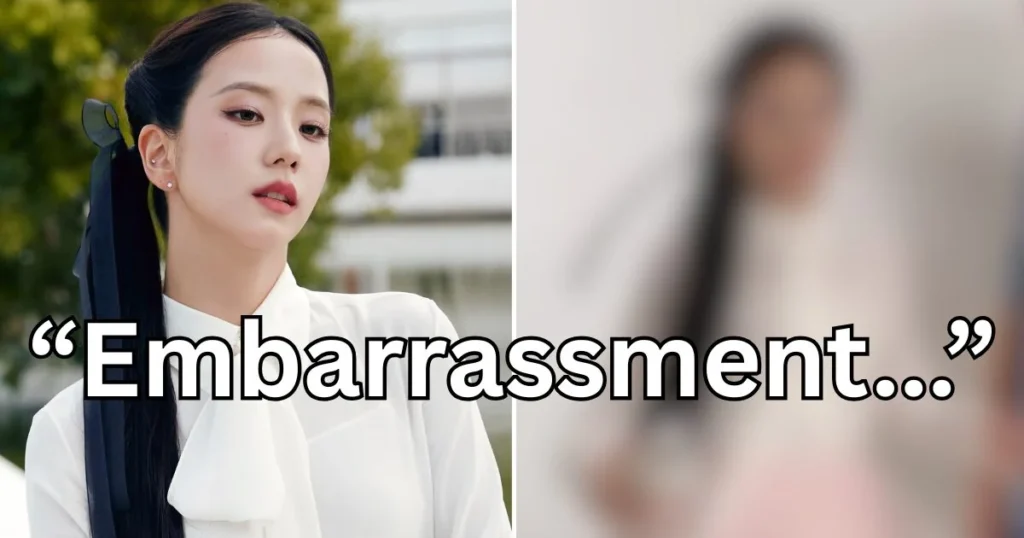
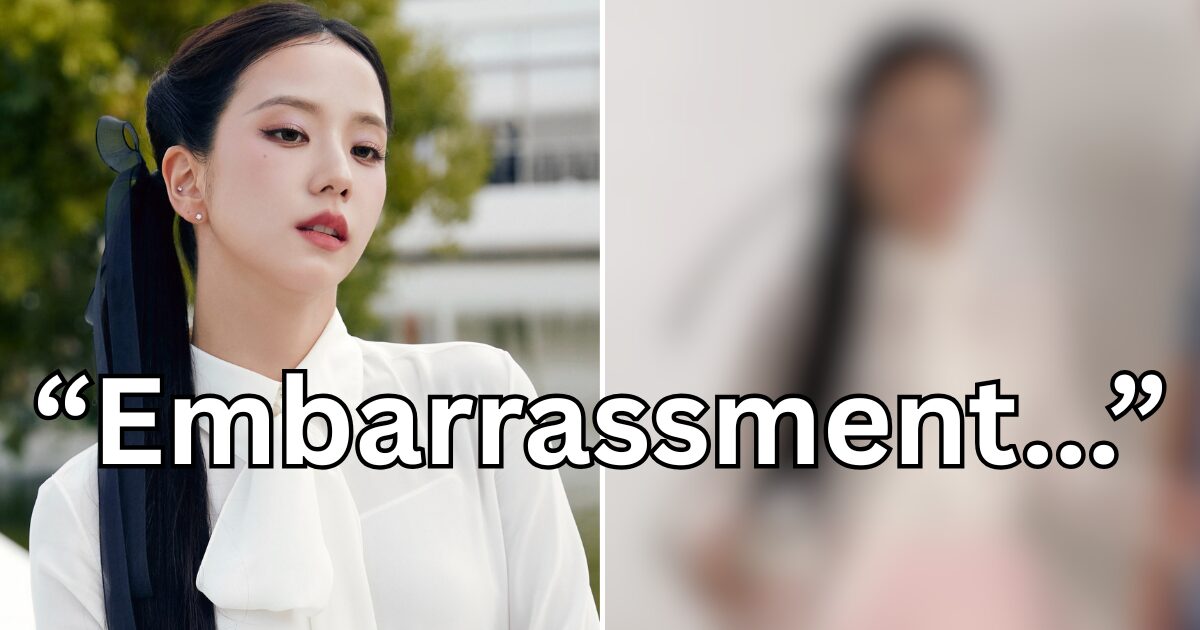
Reports circulating online indicate that Jisoo, a prominent member of the global phenomenon BLACKPINK and a global ambassador for Dior, has become the subject of intense scrutiny and "brutal criticism" following her appearance at a recent Dior fashion show. Videos captured during the event, widely shared across social media platforms, have sparked a heated debate among netizens regarding her conduct, with many accusing her of exhibiting "childish" or "embarrassing" behavior. This incident underscores the immense pressure and microscopic examination faced by K-pop idols on the international stage, where every gesture and expression can be amplified and dissected by a global audience.
The Genesis of the Controversy: Dior Fashion Show Appearance
The controversy stems from Jisoo’s attendance at a high-profile Dior fashion show, an event where she was expected to represent the luxury brand with grace and sophistication, commensurate with her role as a global ambassador. As one of the most recognizable faces in K-pop, Jisoo’s presence at such an event is always a significant draw, attracting considerable media attention and fan engagement. Her association with Dior, a partnership that began in 2021, has been lauded as a testament to her influence in both fashion and entertainment, reportedly boosting the brand’s visibility and sales, particularly in the Asian market. The fashion show, typically a meticulously orchestrated affair, serves as a crucial platform for brand ambassadors to embody the ethos of the luxury house they represent.
However, specific video clips from the event began to circulate, primarily on platforms like X (formerly Twitter) and Instagram, showcasing Jisoo’s interactions and expressions during the show. These clips, often short and decontextualized, depicted moments that critics swiftly labeled as inappropriate for the solemnity and elegance typically associated with a high-fashion presentation. Accusations ranged from her acting "like a child" to displaying a "lack of class," suggesting a perceived disconnect between her actions and the expected demeanor of a 30-year-old international celebrity at such a prestigious gathering. The viral nature of these snippets meant that within hours, the discussion had escalated from isolated comments to a widespread online debate.
Chronology of Online Reaction and Escalation
The first mentions of the controversial behavior began to appear shortly after the Dior show concluded, around the evening of September 30, 2026. Initially, a few users on X shared short clips, expressing surprise or mild disapproval. One tweet, dated September 30, 2026, from an account with the handle @pozitifbilenku_, succinctly stated, "A 30 year old adult woman is behaving like a 5 year old child at a fashion event," accompanied by the now-infamous video. This post rapidly gained traction, accumulating thousands of likes, retweets, and comments, thereby amplifying the sentiment.
Within the next few hours, other accounts joined the chorus of criticism. Another prominent tweet from @ciagirlie declared, "She’s is an absolute embarrassment and has zero class," echoing the harsh judgment. The speed at which these sentiments spread was indicative of the highly interconnected and reactive nature of fan communities and anti-fan groups online. By the morning of October 1, 2026, the issue had become a trending topic in several regions, particularly among K-pop and fashion enthusiasts. Screenshots of these tweets and the accompanying videos were then disseminated across various other social media platforms, including TikTok, Instagram Stories, and online forums, further fueling the discussion.
The narrative quickly evolved beyond simple criticism to a broader commentary on cultural expectations and celebrity conduct. Comments such as "Someone tell her this isn’t Korea ppl don’t like this behavior" from @samtannies and "She really thinks her behavior is still perceived as cute outside of Korea, but it’s just cringe, and that bag is ugly" from @MyNam3IsVee highlighted a perceived cultural clash. These remarks suggested that what might be interpreted as "cute" or "charming" (often referred to as aegyo in Korean culture) within certain contexts in South Korea could be viewed as unprofessional or immature in Western high-fashion circles. This added a layer of cultural analysis to the criticism, making the debate more complex than a simple judgment of behavior. The sheer volume of negative comments, many using terms like "embarrassing" and "immature," painted a picture of widespread disapproval among a vocal segment of the online population.
Supporting Data and Contextual Analysis
The incident involving Jisoo is not isolated but rather fits into a broader pattern of intense public scrutiny faced by K-pop idols, especially those with global reach. BLACKPINK, as one of the most successful girl groups in the world, boasts an unparalleled social media presence. Jisoo herself commands over 77 million followers on Instagram, a platform where every post, appearance, and public interaction is meticulously analyzed by millions. This level of visibility means that any perceived misstep, no matter how minor, can instantly become a global talking point.
Luxury brands like Dior heavily invest in K-pop idols as global ambassadors due to their immense influence on consumer behavior, particularly among younger demographics and in key Asian markets. The "halo effect" of these partnerships is quantifiable; studies have shown significant spikes in brand mentions, social media engagement, and even sales following an idol’s endorsement or appearance. For instance, a report by Launchmetrics indicated that K-pop stars generated over $2.3 billion in Media Impact Value (MIV) for luxury brands in 2023 alone, with BLACKPINK members consistently ranking among the top individual contributors. Jisoo’s role as a Dior ambassador is therefore not merely ceremonial; it carries significant commercial weight and requires adherence to a certain brand image.
The cultural interpretation of "appropriate" public behavior also plays a crucial role. In South Korean entertainment, the concept of aegyo, which involves displaying cute, childlike, or charming behaviors, is often embraced by idols and can be seen as endearing to fans. This contrasts with certain Western cultural norms, particularly in formal settings like high-fashion events, where a more reserved and poised demeanor is often expected from adults, especially those representing a luxury brand. The online criticism explicitly referenced this cultural divide, suggesting that Jisoo’s actions, while potentially acceptable or even celebrated in one cultural context, were deemed out of place in another. This highlights the tightrope walk K-pop idols must perform as they navigate global fame and diverse cultural expectations.
Furthermore, the rapid proliferation of "cancel culture" and the swiftness with which public figures can fall from grace due to perceived misbehavior contribute to the intensity of such controversies. Social media platforms, while enabling direct engagement between idols and fans, also provide a powerful, unfiltered forum for criticism, often leading to rapid judgment without full context. The anonymity afforded by online handles can embolden users to express opinions far more "brutal" than they might in person, creating a relentless echo chamber of negativity.
Official Responses and Industry Implications
As of the current reporting, YG Entertainment, BLACKPINK’s management agency, has not issued an official statement regarding the incident. This silence is not uncommon in the K-pop industry, where agencies often choose to let minor controversies subside naturally, rather than inadvertently amplifying them through official responses. A carefully worded statement could either appease critics or inadvertently reignite the debate, depending on its content and timing. Industry experts often advise a cautious approach, especially when the perceived offense is related to subjective interpretations of behavior rather than concrete ethical breaches.

Similarly, Dior has also remained silent on the matter. Luxury brands typically prioritize maintaining an image of exclusivity and sophistication. While they leverage the global appeal of K-pop idols, they also carefully manage potential risks to their brand reputation. An official statement from Dior could be interpreted as either condoning or condemning Jisoo’s behavior, both of which carry potential PR implications. It is more likely that any internal discussions would focus on strategic damage control or future guidelines for ambassador appearances, rather than public commentary on an individual’s conduct. The brand’s relationship with Jisoo is multifaceted, encompassing promotional campaigns, social media endorsements, and event appearances, making any decision about her ambassadorship a complex calculation of brand image, market influence, and potential backlash.
The absence of immediate official responses leaves a vacuum that is quickly filled by fan and anti-fan narratives, further polarizing the online discourse. Fans of Jisoo and BLACKPINK have rallied to her defense, arguing that the videos are taken out of context, that her actions were simply playful or a momentary lapse, or that the criticism is disproportionate and overly harsh. Some have pointed to the immense pressure idols face and suggested that a brief moment of levity should not be grounds for "brutal criticism." Others have accused the critics of being anti-fans seeking to undermine Jisoo’s reputation or of applying a double standard to female idols. This defensive counter-narrative adds another layer to the ongoing online battle, highlighting the deep loyalty and passionate engagement of K-pop fandoms.
Broader Impact and Future Implications
The incident, while seemingly minor in the grand scheme of global events, carries significant implications for Jisoo, BLACKPINK, and the broader K-pop industry’s relationship with luxury fashion and international audiences. For Jisoo, persistent criticism of her public demeanor could subtly erode her meticulously crafted image as a sophisticated and elegant fashion icon. While one isolated incident is unlikely to sever her ties with Dior, a pattern of perceived misbehavior could lead brands to reconsider the alignment of a celebrity’s public persona with their brand values. The luxury market is highly sensitive to image, and ambassadors are expected to embody the aspirational qualities of the products they represent.
For BLACKPINK, the incident adds to the ongoing scrutiny the group faces as they navigate their individual careers alongside their collective success. As global ambassadors for various high-profile brands, each member is under constant public watch, and individual controversies can, to some extent, reflect on the group’s overall reputation. While BLACKPINK’s immense popularity provides a significant buffer against severe long-term damage from such incidents, they serve as potent reminders of the fragility of celebrity image in the digital age.
More broadly, this episode highlights the growing pains of K-pop’s global expansion. As idols transcend national borders and cultural contexts, they are increasingly exposed to diverse expectations and interpretations of behavior. What is acceptable or endearing in one culture may be deemed inappropriate or unprofessional in another. This forces agencies and idols to develop more nuanced strategies for public appearances, communications, and brand management that account for a global audience with varying cultural sensitivities. It also underscores the need for media literacy among online audiences to critically assess decontextualized clips and avoid snap judgments.
In an era where personal brand is paramount and social media acts as both a powerful promotional tool and an unforgiving judge, the incident involving Jisoo at the Dior show serves as a cautionary tale. It emphasizes that for global celebrities, particularly those in the highly image-conscious K-pop industry, maintaining an impeccable public facade is an ongoing and increasingly challenging endeavor, where even fleeting moments can ignite a firestorm of "brutal criticism" and spark a complex debate about celebrity conduct, cultural norms, and the relentless demands of global fame. The long-term ramifications will depend on how Jisoo and her agency navigate the aftermath, whether through a subtle adjustment in public persona or a continued reliance on the unwavering support of her dedicated fanbase.