The global ascent of South Korean popular music, known as K-pop, has transformed the industry into a multi-billion-dollar juggernaut with a fan base that spans every continent, race, and socioeconomic background. However, as the "Hallyu Wave" continues to crash onto Western shores, it brings to the surface complex questions regarding the intersection of Black culture and Korean entertainment. For many Black K-pop fans, the experience is a nuanced dichotomy: a deep admiration for the talent and production value of the genre, tempered by recurring instances of cultural appropriation, racial insensitivity, and a lack of historical context. This exploration into the perspectives of Black fans reveals a community seeking respect and authenticity in a medium that frequently borrows from their heritage.
The Architectural Influence of Black Music on K-pop
To understand the relationship between Black fans and K-pop, one must first acknowledge that the sonic foundation of the genre is rooted in African American musical traditions. From the early 1990s, when Seo Taiji and Boys revolutionized the Korean music scene by incorporating American rap and New Jack Swing, K-pop has consistently looked toward R&B, hip-hop, soul, and jazz for inspiration.
Industry analysts point out that many of K-pop’s most successful tracks are penned by Western producers who specialize in Black music genres. For instance, the legendary producer Teddy Riley, who worked with Michael Jackson and Bobby Brown, was instrumental in shaping the sounds of groups like Girls’ Generation and EXO. This influence extends beyond the music to choreography and fashion. The "idol" system itself often pays homage to the performance styles of Michael Jackson and James Brown, with contemporary artists like Taemin and Niel frequently citing the "King of Pop" as their primary inspiration.

For Black fans, this influence is often a point of pride and connection. When BTS’s RM (formerly Rap Monster) recommends tracks by D’Angelo, Prince, or India Arie, it signals a genuine appreciation for the masters of the craft. However, the line between appreciation—which involves honoring the source and history—and appropriation—which involves using a culture as a superficial "costume"—remains a point of significant contention.
Defining the Divide: Appropriation versus Appreciation
The debate over cultural appropriation in K-pop often centers on the "hip-hop concept." In the K-pop industry, "concepts" are thematic shifts that groups undergo with each new release. When a group adopts a hip-hop concept, it frequently involves the use of cornrows, dreadlocks, grills, and specific slang. Black fans argue that these elements are often used as shorthand for being "edgy," "tough," or "authentic," without any understanding of the systemic struggles or cultural history behind them.

The 2015 release of 4Minute’s "Crazy" and Keith Ape’s "It G Ma" serve as pivotal examples in this discourse. While these tracks were commercially successful, they sparked intense debate over the "performance" of Blackness. Critics noted that while the aesthetic was adopted for its "cool" factor, the artists and their labels often failed to acknowledge the roots of the subcultures they were emulating. This creates a "minstrelsy" effect, where the culture is consumed while the people who created it are marginalized or ignored.
The "Kanye Defense" and the Education Gap
A recurring issue within the K-pop fandom is the defense of problematic behavior using Western celebrities as a shield. A notable example is the use of the Confederate flag in K-pop fashion. When fans point out the offensive nature of the symbol, defenders often cite American rapper Kanye West, who famously used the flag on tour merchandise.

This "Kanye did it too" argument is viewed by many Black fans as a logical fallacy that dismisses their valid concerns. They argue that one individual’s controversial choice does not negate the historical trauma associated with a symbol of white supremacy. Furthermore, while US history is not a core requirement in the South Korean education system, the global ambitions of K-pop agencies necessitate a higher level of cultural competency. If a company intends to market a group to a global audience, the responsibility to conduct basic research into the historical significance of their imagery falls on the producers and stylists.
A Chronology of Racial Sensitivity and Industry Response
The history of K-pop is marked by several high-profile incidents that have tested the loyalty of Black fans. These events follow a similar pattern: a problematic action occurs, the international community reacts, and the response from the Korean agency varies.
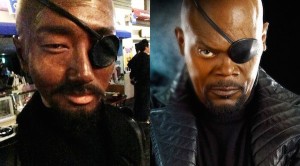
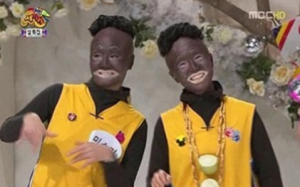
- The Blackface Incidents (2013-2014): Several idols, including Super Junior’s Yesung, faced backlash for wearing dark makeup to "impersonate" Black celebrities. In these instances, the defense was often that the artists "didn’t know" the historical context of blackface as a tool of racial derision.
- The Slur Controversy (2014): Zico of Block B and solo artist San E faced criticism for the use of racial slurs in their lyrics. While San E’s use was framed as a commentary on the difficulties of being an Asian rapper in a Black-dominated field, many fans found the execution offensive.
- The Seven Seasons Precedent: Following multiple controversies involving Block B, their agency, Seven Seasons, became one of the few to actively engage with international fans. By responding to educational outreach from the "Block B International" fan base, the agency showed that a path toward reconciliation and education is possible.
These incidents highlight the "isolationism" that can exist within the Korean entertainment industry. However, the positive response from agencies like Seven Seasons suggests that the industry is capable of growth when it views its international audience as partners rather than just consumers.
The Invisibility of Black Fans in the Global Community
Beyond the actions of the idols themselves, Black fans often feel a sense of invisibility within the broader K-pop fandom. This is particularly evident in fan-generated content, such as "fanfiction" or "reader-insert" stories. These narratives often assume a default physical description of the reader—typically white or East Asian—leaving Black fans unable to see themselves in the "lovey-dovey" illusions created by the community.

Furthermore, there is a pervasive "colorism" that exists within both the industry and the fandom. Idols with darker skin tones are often the subject of "jokes" from their own members or are edited to look paler in official photographs (a process known as "white-washing"). For Black fans, seeing their own features or skin tones treated as a punchline or a flaw creates a barrier to full engagement with the genre.
Economic Implications and the Need for Cultural Competency
The stakes for K-pop agencies are not merely social; they are economic. As the South Korean government continues to support the export of culture as a form of "soft power," the industry must navigate the sensitivities of the global market. The United States is the world’s largest music market, and Black consumers are a significant demographic within that market.

Marketing experts suggest that the "let it slide" attitude often encouraged by non-marginalized fans is a dangerous strategy for agencies. In an era of instant global communication, a single racially insensitive video can lead to boycotts and damaged reputations that take years to repair. Authenticity is the currency of modern pop music; if a K-pop group wants to be accepted as a legitimate hip-hop act, they must demonstrate a respect for the culture that goes beyond the surface level.
Conclusion: Toward a "Kaleidoscope" of Music
The consensus among many Black K-pop fans is not a desire to "cancel" the genre, but a demand for respect. The influence of Black music has allowed K-pop to flourish, providing the R&B harmonies, hip-hop beats, and soul-stirring vocals that fans around the world love. In return, Black fans ask that their history not be used as a costume and that their voices not be silenced when they speak out against insensitivity.
The future of K-pop lies in its ability to become a truly international bridge. As the industry matures, the hope is that agencies will move away from trendy gimmicks and toward a deeper understanding of the global cultures they interact with. By embracing a "kaleidoscope" of colors and perspectives, the K-pop community can ensure that its beauty shines for everyone, regardless of their background. The music is a shared language; for it to be truly harmonious, every voice in the choir must be heard and respected.