
The global expansion of South Korean popular culture, widely known as the Hallyu Wave, has necessitated a parallel evolution in how international audiences consume, critique, and interact with K-pop media. In the early 2010s, as the industry transitioned from a regional phenomenon to a global powerhouse, the role of the fan-journalist emerged as a pivotal bridge between the polished marketing of entertainment conglomerates and the diverse, often skeptical, international consumer base. This shift is exemplified by the internal discourse within prominent editorial platforms like Seoulbeats, where writers and readers alike have reported a fundamental change in their relationship with fandom, moving from emotional immersion to a more detached, analytical perspective.
The Shift from Emotional Immersion to Critical Analysis
The traditional K-pop fan experience has historically been defined by high levels of emotional investment, often characterized by "stanning" specific groups and participating in organized fandom activities. However, the rise of critical platforms has introduced a new demographic: the "critical consumer." For many contributors to the Hallyu discourse, the transition from being a passive fan to an active critic often leads to a phenomenon of emotional detachment.

As writers engage with the industry on a professional level, the "sheen" of the idol world frequently gives way to a more pragmatic understanding of the business. This detachment is not necessarily a sign of waning interest but rather a byproduct of constant exposure to the industry’s mechanics. When fans are required to analyze the "Idol Code"—the strict set of behavioral and aesthetic standards imposed on performers—they often find it difficult to maintain the same level of fervor that defines general fandom. This transition suggests that as the Hallyu Wave matures, its audience is increasingly seeking intellectual engagement over purely emotional connection.
Chronology of the Hallyu Wave and Digital Fandom Evolution
To understand the current state of K-pop discourse, it is essential to trace the timeline of the Hallyu Wave’s expansion and the corresponding growth of digital fan communities.
- The Foundation (Late 1990s – 2005): The first wave of Hallyu focused primarily on East and Southeast Asia, driven by dramas like Winter Sonata and first-generation K-pop groups such as H.O.T. and Shinhwa. Fandom discourse was largely localized and limited to domestic bulletin boards.
- The Digital Expansion (2006 – 2011): The rise of YouTube and social media allowed K-pop to bypass traditional gatekeepers. Groups like Big Bang, Girls’ Generation, and Super Junior gained international traction. During this period, English-language blogs and news sites began to emerge, providing translations and basic news.
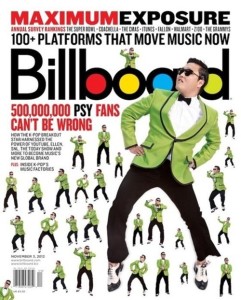
- The Global Explosion and the Rise of Critique (2012 – 2014): Psy’s "Gangnam Style" served as a catalyst for mainstream Western awareness. This era saw the professionalization of fan-led journalism. Platforms began moving beyond mere news aggregation to provide cultural exposés, album reviews, and sociopolitical commentary on the industry’s "dark side."
- The Institutionalization of Global Fandom (2015 – Present): K-pop became a fixture of the global music industry. The discourse shifted toward inclusivity, mental health, and the ethics of the trainee system, reflecting a more sophisticated and socially conscious global audience.
Supporting Data: The Industrial Scale of K-pop Production
The necessity for critical platforms is driven by the sheer volume of content produced by the South Korean entertainment industry. Data from the Korea Creative Content Agency (KOCCA) and various industry trackers highlight the rapid acceleration of the market during the 2010s.
In 2013 alone, dozens of new idol groups debuted, contributing to a saturated market that required vigilant curation. For critics, this high volume of releases serves as a double-edged sword. While it necessitates wading through a vast amount of "mediocre" or formulaic content, it also highlights the exceptional quality of top-tier productions. The industry’s ability to produce a "universally decent standard" of dancing and singing has raised the baseline for what constitutes a successful performance, forcing critics to develop higher standards and more nuanced metrics for evaluation.
Furthermore, the lack of transparency in the corporate aspect of K-pop—often referred to as the "black box" of entertainment management—has created a demand for independent analysis. Fans-turned-writers often focus on the business aspect of music, seeking to unwrap the corporate strategies that drive group concepts, international tours, and digital marketing.
Cultural Context and the "Idol Code"
One of the primary functions of critical K-pop platforms is to contextualize the cultural differences that define the industry. The "Idol Code"—a term used to describe the rigid expectations regarding an idol’s public persona, dating life, and social behavior—is a frequent point of contention in international discourse.

Western audiences, often accustomed to the "rebel" archetype in music, frequently struggle with the passive-aggressive nature of idol management and the enforcement of "wholesome" images. Critical platforms provide a space to analyze these standards without necessarily imposing Western values. This cultural bridge-building allows fans to appreciate the artistry of K-pop while remaining cognizant of the systemic pressures faced by the artists.
Official Reactions and the Role of Netizen Commentary
The impact of critical journalism is often reflected in the reactions of the broader fandom, particularly through "netizen" comments. In the K-pop ecosystem, netizens (internet citizens) play a significant role in shaping public opinion and even influencing the trajectories of artists’ careers.
When critical platforms publish reviews that challenge the "perfect" image of a popular artist, the reaction from the fandom can be intense. This feedback loop between writers and readers creates a dynamic environment where opinions are constantly tested. For many writers, this interaction is a vital part of the fan experience, moving them from a "solo" experience of K-pop to a collective, albeit sometimes contentious, conversation.

Industry insiders and entertainment agencies have also become increasingly aware of international critical discourse. While agencies primarily focus on domestic sentiment, the growing economic importance of the global market has led to a more careful consideration of how groups are perceived by international critics who prioritize authenticity and artistic merit over manufactured perfection.
Broader Impact and Implications for the Future of Hallyu
The evolution of platforms like Seoulbeats signifies a broader shift in how global audiences interact with foreign cultural exports. By fostering a community of "critical fans," these platforms contribute to the long-term sustainability of the Hallyu Wave.
1. Intellectualization of Pop Culture
The transition from "spazzing" (an industry-specific term for enthusiastic fan behavior) to critical thinking represents the intellectualization of K-pop. This allows the genre to be taken seriously as a subject of academic and journalistic study, rather than being dismissed as a transient fad.

2. Accountability and Industry Reform
Critical discourse puts pressure on entertainment agencies to address issues such as unfair contracts, the mental health of trainees, and cultural appropriation. As international fans become more educated on these topics through analytical articles, they are more likely to demand ethical standards from the companies they support.
3. Cross-Cultural Literacy
By analyzing K-entertainment through the lens of sociology, business, and music theory, fans develop a form of cross-cultural literacy. This understanding extends beyond music, allowing audiences to reflect on their own societies and media structures by comparing them with the South Korean model.
4. The Resilience of the Niche
While many critics remain skeptical about K-pop ever becoming truly "mainstream" in the sense of total cultural saturation in the West, the development of a dedicated, critical, and highly engaged niche ensures the industry’s resilience. The move away from "propaganda-style" consumption toward a more nuanced appreciation allows for a more stable and mature market.

In conclusion, the impact of critical platforms on the K-pop landscape cannot be overstated. By providing a space for dialogue that balances appreciation with skepticism, these platforms have transformed the fan experience from a one-way street of consumption into a multi-faceted conversation. As the Hallyu Wave continues to evolve, the role of the critical consumer will remain essential in navigating the complexities of an industry that is as much about corporate strategy as it is about artistic expression. The shift from being a "loner" fan to a contributor in a global discourse highlights the power of digital communities to reshape the narrative of international pop culture.