

The Genesis of the Controversy: A Resurfaced Interview
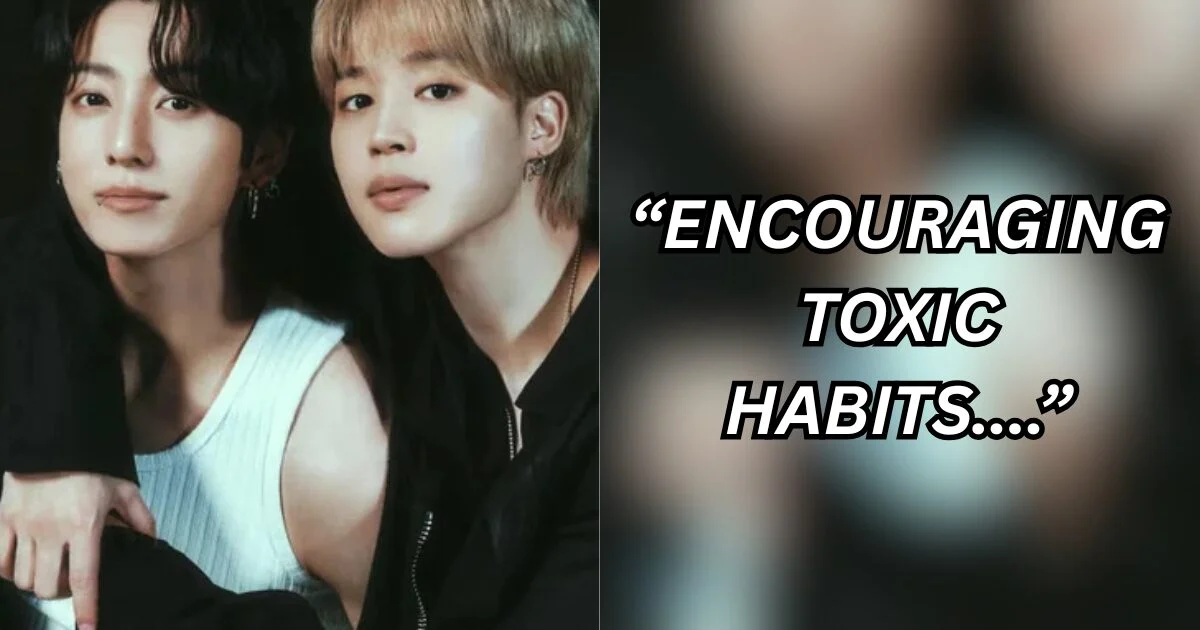
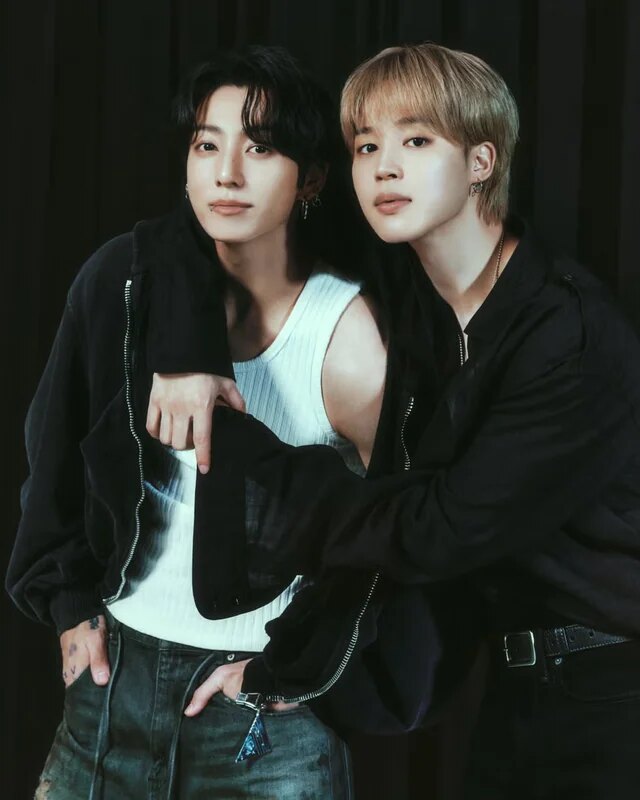
The clip at the heart of the current uproar originates from an earlier Japanese television interview featuring Jimin and Jungkook. The interview, conducted during a promotional period for their travel show, Are You Sure 2, saw the duo discussing various aspects of their lives and careers. Specifically, the segment that has garnered recent attention involved a discussion about their "recent success." Jimin, in response to this query, stated, "Our diet was a success." When pressed by the host for details regarding their dieting regimen, he hesitantly offered, "Not eating." Jungkook then interjected, adding the seemingly simplistic and potentially harmful advice, "Don’t eat and run well." This exchange, initially aired as part of their promotional activities for the travel series, has now found a new, highly critical audience in March 2026. The video, identified as an interview with the Japanese program "Mezamashi TV," showcases the casual nature of the conversation at the time, yet its implications resonate far more deeply in the contemporary discourse surrounding body image and celebrity responsibility.
The "Diet Success" Comments: What Was Said
The specific statements made by the BTS members are at the core of the controversy. Jimin explicitly stated, "If you want to lose weight, there is no other answer than not eating," a declaration that implies severe caloric restriction as the primary, if not sole, method for weight loss. Jungkook’s additional remark, "Don’t eat and run well," further compounded the message by combining starvation with intense physical activity. When questioned about the inherent difficulties and potential discomfort of such restrictive diets, both members rationalized their approach by asserting that such sacrifices were an "inevitable part of being a celebrity." This normalization of extreme dietary practices within the context of their profession has been particularly jarring for many viewers, especially given the global platform and influence BTS commands. The statements, taken individually and collectively, have been interpreted by critics as promoting unhealthy eating habits and potentially contributing to disordered eating patterns among their vast, predominantly young fanbase. The casual delivery of such drastic advice, juxtaposed with the immense pressure on idols to maintain a certain physique, has fueled the ongoing discussion on social media.
K-Pop’s Enduring Diet Culture: A Deeper Look
The K-pop industry is notoriously stringent regarding idol appearances, often promoting an ideal of extreme thinness that has permeated popular culture both within South Korea and internationally. Trainees and established idols alike are frequently subjected to rigorous diet plans, strict weight checks, and intense physical training regimens. This culture often begins in the pre-debut phase, where aspiring idols are taught that their physical appearance is as crucial as their vocal or dance talent. Anecdotal evidence and industry reports frequently detail diets consisting of minimal calories, often involving a single meal a day or highly restricted food groups. The immense pressure stems from several factors: fan expectations, which often romanticize slender figures; agency demands, driven by marketability and visual aesthetics; and the highly competitive nature of the industry itself. While public awareness regarding the dangers of extreme dieting and the importance of healthy body image has grown globally, the K-pop industry has often lagged in openly addressing or reforming these entrenched practices. Consequently, idols often feel compelled to adhere to these standards, sometimes at significant personal cost to their physical and mental health. This broader industry context is critical to understanding why Jimin and Jungkook’s comments, while potentially reflective of their own experiences and pressures, have drawn such widespread criticism.
BTS and the "Love Yourself" Paradox
One of the most profound elements fueling the current controversy is the perceived dissonance between the members’ diet advice and BTS’s groundbreaking "Love Yourself" campaign. Launched in 2017 in collaboration with UNICEF, the "Love Yourself" series was a monumental global initiative aimed at encouraging self-love, self-acceptance, and mental well-being. The campaign, which spanned albums, speeches at the United Nations, and various outreach programs, resonated deeply with millions worldwide, particularly young people struggling with identity and self-esteem. It promoted a message of embracing one’s true self, flaws and all, and fostering a positive relationship with one’s inner being. This powerful, affirming message has been a cornerstone of BTS’s global appeal, distinguishing them from many other artists. Therefore, when comments advocating for severe dietary restriction and "not eating" resurface, they appear to contradict the very ethos the group has championed. Critics argue that promoting self-starvation, even implicitly or as a celebrity "inevitability," directly undermines the message of self-care and acceptance that "Love Yourself" sought to instill. This paradox has led to accusations of hypocrisy from some quarters, leaving many fans feeling conflicted and questioning the authenticity of the group’s influential message.
Netizen Outcry: Accusations of Promoting Unhealthy Habits
The resurfacing of the interview clip on X triggered an immediate and intense wave of reactions from netizens. Users expressed profound concern and anger, accusing Jimin and Jungkook of promoting "toxic habits" and potentially encouraging "eating disorders." Tweets quickly went viral, with one user stating, "How do you promote a ‘love yourself’ concept while encouraging toxic habits and promoting eating disorders?" This sentiment was echoed across the platform, as users highlighted the potential harm such advice could inflict on impressionable young fans who look up to BTS as role models. Many shared personal stories or expressed worries about the mental health implications of idolizing individuals who advocate for extreme dietary measures. The backlash also extended to questioning the group’s perceived unique position within the K-pop industry, with some arguing that "so much bull was spread about them breaking boundaries in the kpop industry when they’re the same as every other group, just got lucky." This implies a disillusionment that BTS, despite their global reach and positive messaging, might still conform to the more problematic aspects of K-pop culture. The sheer volume of critical commentary underscores the sensitivity of the topic and the high expectations placed upon global figures like BTS.

The Double Standard Debate: Gender and Idol Scrutiny
Another significant facet of the online debate has been the discussion surrounding gender-based double standards in the K-pop industry and celebrity culture at large. Several netizens pointed out that if similar comments advocating for extreme dieting had been made by a female idol, the reaction would likely have been far more severe and condemnatory. One viral tweet articulated this starkly: "Imagine if a female idol said this… she’d be dragged to deepest pits of hell for promoting ed and what not." This highlights a persistent issue within celebrity culture where women are often subjected to harsher scrutiny and criticism regarding their appearance, body image, and any perceived promotion of unhealthy standards. While male idols also face immense pressure to maintain specific physiques, the public discourse around female idols’ bodies is often more intensely policed. This observation has broadened the scope of the controversy, shifting it beyond just the specific comments made by Jimin and Jungkook to a larger critique of the gendered expectations and biases prevalent in entertainment industries worldwide. The incident thus serves as a catalyst for renewed discussions about equity in criticism and the differing levels of accountability applied to male and female public figures.
Expert Perspectives on Celebrity Diet Advice
While specific health organizations have not yet issued direct statements regarding this particular incident, general consensus among nutritionists, psychologists, and eating disorder specialists is unequivocally against promoting highly restrictive or "not eating" diets. Experts consistently warn that advice from celebrities, especially when it involves extreme measures, can be incredibly dangerous. Adolescents and young adults, who form a significant portion of K-pop’s fanbase, are particularly vulnerable to developing body image issues and disordered eating patterns. Research indicates a strong correlation between exposure to idealized body types in media and increased dissatisfaction with one’s own body. Furthermore, the promotion of "not eating" as a weight-loss strategy can contribute to serious health risks, including nutrient deficiencies, metabolic damage, mental health deterioration, and the development of clinical eating disorders such as anorexia nervosa or bulimia. Mental health advocates frequently emphasize that sustainable weight management involves balanced nutrition, regular physical activity, and a healthy relationship with food, rather than deprivation. The casual nature of the idols’ comments, presented as an "inevitable" part of their profession, risks normalizing such harmful practices to a susceptible audience, underscoring the ethical responsibility that public figures hold.
Broader Implications: Idol Responsibility and Industry Standards
The controversy surrounding Jimin and Jungkook’s resurfaced comments is not an isolated incident but rather indicative of broader, ongoing challenges within the K-pop industry and celebrity culture. The incident raises critical questions about the ethical responsibilities of global superstars. With millions of fans worldwide, many of whom are young and impressionable, the words and actions of idols carry immense weight. This incident highlights the delicate balance between an idol’s personal experiences within a demanding industry and their public role as a potential influencer on health and lifestyle choices. Furthermore, the timing of this controversy coincides with another related event: recent comments made by BTS leader RM regarding fellow member V’s weight. These remarks, which also sparked fury among fans, suggest a continuous internal dialogue within the group and the industry about body image that is now under intense public scrutiny. This confluence of events indicates a potential turning point where fans and the public are increasingly unwilling to accept potentially harmful messaging, even from beloved idols. It could place greater pressure on entertainment agencies to re-evaluate how they manage idol images, prepare them for interviews, and potentially offer more comprehensive support for their mental and physical well-being.
A Continuous Dialogue on Body Image and Mental Health
The resurfacing of Jimin and Jungkook’s diet advice serves as a potent reminder of the ongoing global dialogue surrounding body image, mental health, and the profound impact of celebrity culture. While the K-pop industry grapples with its entrenched beauty standards, the "Love Yourself" campaign initially offered a beacon of hope for a more inclusive and self-accepting narrative. This recent backlash underscores the complexities of navigating authenticity, industry pressures, and public responsibility for artists on a global stage. As the conversation continues to evolve, it prompts a deeper reflection on the messages celebrities convey, intentionally or unintentionally, and the critical need for balanced, health-oriented perspectives in media. The incident may catalyze further discussions within the K-pop community and beyond, pushing for greater transparency, more responsible messaging from idols, and a more supportive environment that prioritizes the holistic well-being of both artists and their dedicated fanbase. Ultimately, it reinforces the idea that while success in the entertainment industry often demands sacrifices, the promotion of genuinely healthy practices should never be one of them.



Leave a Reply