TWICE Member’s “Bruised” Legs Spark Massive Concern
Article Editorial Team
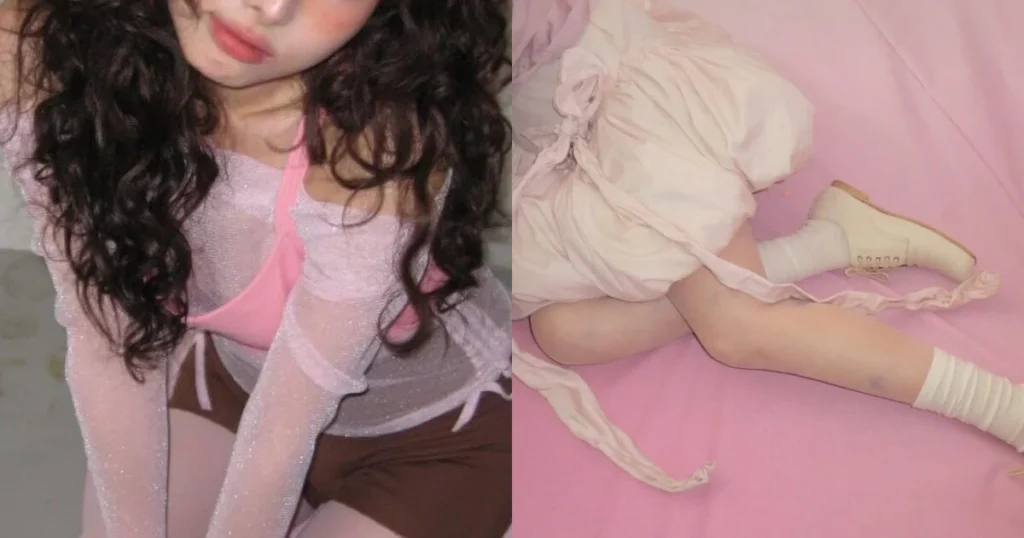
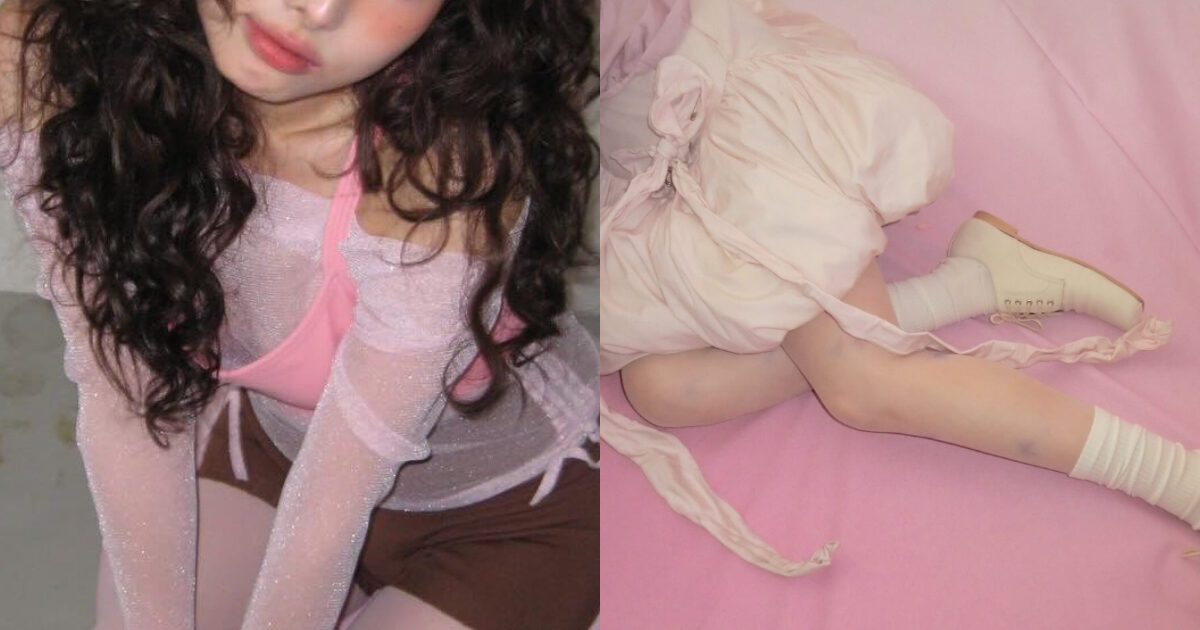
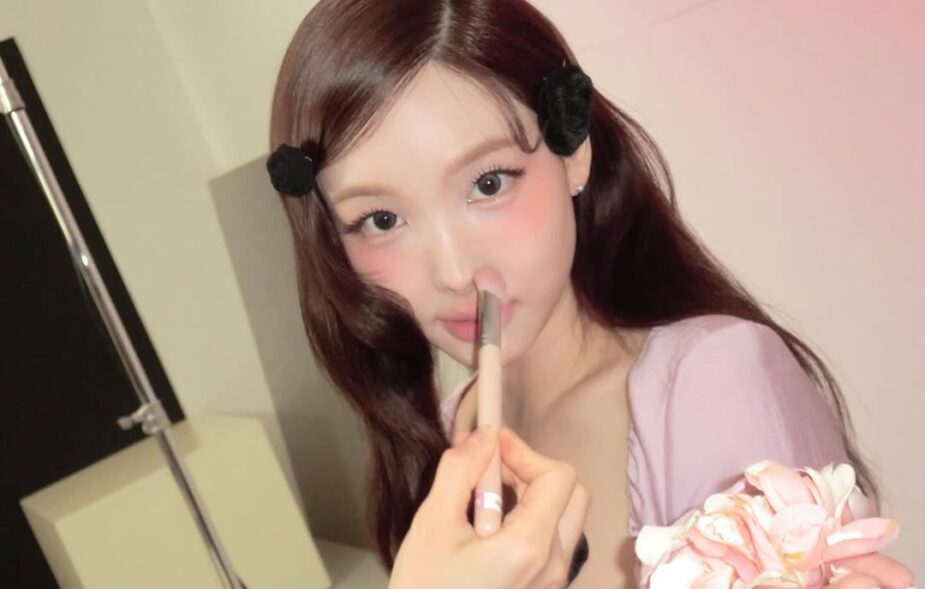
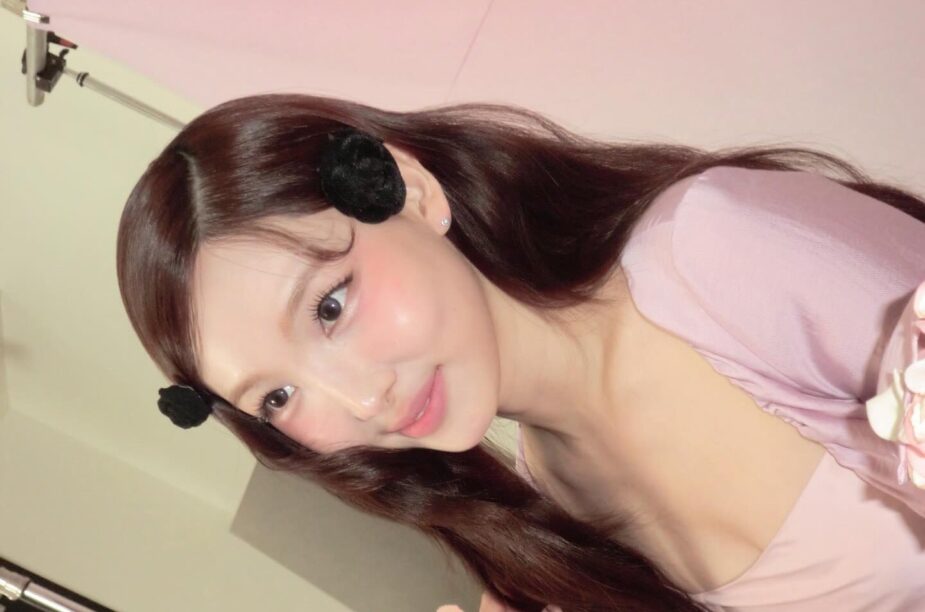
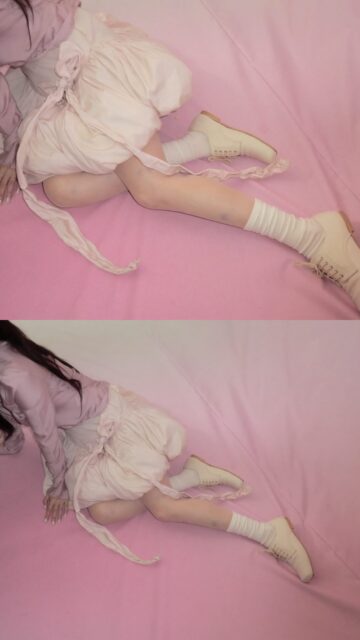
The photographs featured Nayeon in a stylized setting, characterized by soft pink hues, curled hair, and a "flirty yet cute" concept consistent with fwee’s brand identity. However, an Instagram Story posted by the artist captured a closer view of her legs, which appeared to be covered in dark, irregular marks. To many observers, these marks bore a striking resemblance to severe bruising, a sight that immediately triggered alarm among her millions of followers, known collectively as ONCE. Given the rigorous schedules often associated with high-profile K-pop idols, fans were quick to speculate about potential injuries sustained during dance rehearsals or the physical toll of the group’s ongoing activities.
Chronology of the Incident and Immediate Response
The timeline of the event illustrates the speed at which information and sentiment circulate within the modern K-pop ecosystem. Within hours of the Instagram Story being published, screenshots began circulating across various social media platforms, including X (formerly Twitter), TikTok, and various South Korean online communities such as Pann and TheQoo. The discourse was initially dominated by expressions of worry, with fans questioning whether the artist was being overworked or if she had suffered an accident on set.
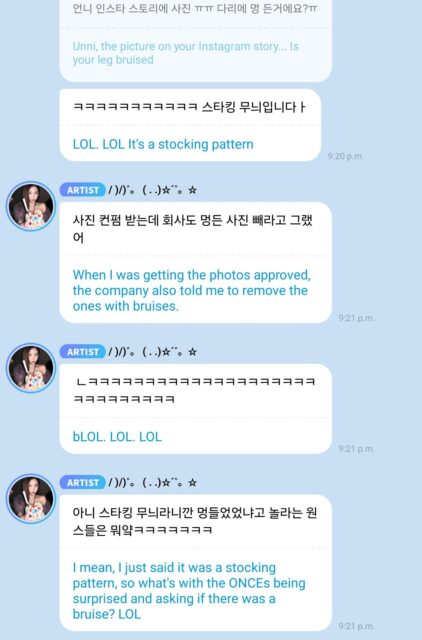
Recognizing the escalating concern, Nayeon took to a private fan-messaging platform—a common tool used by idols to communicate directly with their core fanbase—to provide a formal clarification. In her messages, she addressed the "bruises" with a lighthearted tone, revealing that the marks were not injuries but rather an intricate pattern on the sheer stockings she was wearing for the photoshoot.

"LOL, it’s the pattern on the stocking," Nayeon explained to her fans. She further disclosed that her management agency, JYP Entertainment, had identified the visual ambiguity of the stockings during the internal review process. According to the artist, the company had explicitly instructed her to exclude the photos featuring the "bruised" appearance to avoid the exact public misunderstanding that eventually occurred. In a move that surprised many industry observers, Nayeon admitted to posting the images despite the agency’s recommendation, citing her own preference for the shots.
Corporate Oversight and the "Approval" Controversy
The revelation that JYP Entertainment had attempted to censor the photos added a new layer to the public discourse. While the initial concern was health-related, the conversation pivoted toward the dynamics of corporate control over veteran artists. By 2026, Nayeon had established herself as a senior figure in the industry, having debuted over a decade prior in 2015.

The incident highlighted a persistent tension in the K-pop industry: the balance between a company’s desire to maintain a "perfect" idol image and an artist’s growing desire for autonomy and authenticity. Fans and critics alike noted the irony of a 30-year-old artist requiring granular approval for social media posts. Several viral posts on X pointed out that after more than ten years of professional success and global influence, the requirement for such strict oversight seemed archaic to some observers.
However, from a brand management perspective, the agency’s caution was not without merit. In the high-stakes world of celebrity endorsements, visual misinterpretations can lead to negative press for both the artist and the partner brand. If the public perceives an artist as being mistreated or injured, it can create a PR crisis that overshadows the marketing objectives of the collaboration. In this instance, JYP Entertainment’s foresight regarding the "bruises" proved accurate, as the visual ambiguity did indeed cause "massive concern."
The Evolution of the "Idol Image" in 2026
Nayeon’s decision to post the photos despite company pushback is reflective of a broader shift in how veteran idols manage their public personas. In the early stages of a K-pop career, management agencies typically exercise near-total control over an idol’s public output to ensure brand consistency. As artists mature and renew their contracts, they often negotiate for greater creative freedom and control over their personal branding.
Industry analysts suggest that Nayeon’s "DGAF" (an acronym for "does not give a f***") attitude, as described by some fans, is a calculated or perhaps natural progression toward a more relatable and less curated image. This trend is increasingly popular among "Third Generation" K-pop stars who are transitioning into the second decade of their careers. By showing the "behind-the-scenes" reality—including the humorous misunderstandings involving fashion choices—artists can foster a deeper, more authentic connection with their audience.
Supporting Data: The Impact of TWICE and Nayeon
To understand the scale of the reaction, one must look at the market position of TWICE and Nayeon in 2026. TWICE remains one of the highest-selling girl groups in history, with a discography that spans multiple languages and continents. Nayeon, specifically, has seen significant success as a soloist, with her debut and subsequent releases breaking records for female soloists in South Korea.
| Metric | Estimated Impact (March 2026) |
|---|---|
| Social Media Reach | Over 30 million followers on Instagram |
| Engagement Rate | 5-8% on behind-the-scenes content |
| Brand Partnership | fwee (K-beauty), luxury fashion brands |
| Fanbase Demographic | Global (Primary: Korea, Japan, USA) |
The high level of engagement means that even minor visual discrepancies are amplified through a global lens. The concern for Nayeon’s well-being is also rooted in the history of the group; TWICE has been vocal in the past about the importance of mental and physical health, with various members taking hiatuses to prioritize recovery. Consequently, the fanbase has become hyper-vigilant regarding any signs of physical distress.
Broader Implications for K-pop Management Models
This incident serves as a case study for the evolving relationship between K-pop agencies and their veteran talent. As the industry matures, the traditional "top-down" management style is being challenged by the rise of the "individual brand."
- Risk vs. Authenticity: Agencies are learning that while strict control minimizes PR risks, it can also stifle the authenticity that modern fans crave. Nayeon’s "rebellion" against the approval process was met with praise from fans who viewed it as a sign of her independence and confidence.
- The Role of Communication Platforms: Direct-to-fan apps like Bubble and Weverse have changed the way crises are managed. Instead of waiting for a formal press release from the agency, the artist can de-escalate a situation in real-time, as Nayeon did.
- Fashion and Visual Ambiguity: The incident also highlights the risks associated with experimental fashion in the digital age. What looks like high-concept art in a high-resolution print can appear as something entirely different on a smartphone screen, necessitating a more nuanced approach to digital content review.
Conclusion: A Shift Toward Maturity
Ultimately, the "bruised legs" incident was a harmless misunderstanding caused by a combination of avant-garde fashion and the protective nature of the K-pop fandom. While the initial alarm was significant, the resolution provided a moment of levity and a rare glimpse into the internal workings of JYP Entertainment’s management processes.
For Nayeon, the event reinforced her status as a confident, self-assured artist who is willing to challenge corporate norms to share her vision with fans. For the industry, it serves as a reminder that as the first generation of global K-pop icons enters their thirties, the rules of engagement are changing. The focus is shifting from the maintenance of a flawless facade to the cultivation of a mature, multifaceted identity that can withstand—and even thrive on—the occasional public "LOL."
As TWICE continues to navigate their second decade in the spotlight, incidents like these are likely to become more common, marking the transition from manufactured idols to autonomous global celebrities. The massive concern of the fans, while misplaced in this specific instance, remains a testament to the enduring bond between TWICE and their global audience, a bond that is now being reshaped by transparency and mutual trust rather than mere image management.
Related News