BTS Merchandise Controversy Erupts Over "This Is Not A Bomb" Lightstick Bag Amidst Arirang Comeback
Article Editorial Team

Global K-Pop sensation BTS has recently unveiled a new wave of merchandise in conjunction with their highly anticipated fifth studio album, Arirang, marking a significant return to the music scene. However, what was intended to be an exciting extension of their comeback has quickly spiraled into a widespread controversy, primarily centered around a specific item: a green lightstick bag emblazoned with the phrase "This is not a bomb." This particular piece of merchandise has ignited a firestorm of criticism and concern among their dedicated fanbase, known as ARMYs, and observers worldwide, due to its potentially problematic implications for travel and public safety.
The announcement of BTS’s comeback with Arirang in early 2026 had been met with immense global anticipation. Following a period where individual member activities or military enlistments might have limited full group promotions, a new studio album from the septet is a monumental event in the K-Pop industry. Arirang, a title deeply rooted in Korean cultural heritage, suggested an album that could blend traditional Korean elements with their signature contemporary sound, further raising expectations for its artistic depth and global impact. Accompanying the album’s release, BigHit Music, the group’s agency under HYBE Corporation, rolled out an extensive collection of merchandise designed to celebrate the comeback and engage the millions of fans worldwide. This collection typically includes items ranging from apparel and stationery to collectible photo cards and specialized accessories for the "Army Bomb," BTS’s iconic official lightstick.
The "Army Bomb" itself is more than just a concert accessory; it is a symbol of the BTS fandom, glowing in unison at concerts and connecting fans globally. Its design has evolved over the years, and official carrying cases or bags are highly sought after to protect and transport these cherished items. It was within this context that the controversial green lightstick bag was introduced as part of the Arirang merchandise line. The bag, designed to hold the "Army Bomb," features a minimalist yet striking design, with the problematic English phrase prominently displayed.
The Genesis of the Controversy: The "Not a Bomb" Lightstick Bag
The controversy began to unfold shortly after the merchandise was officially revealed on or around March 27, 2026, as evidenced by initial social media reactions. Fans, eager to see and purchase the new items, quickly noticed the peculiar design element on the lightstick bag. The phrase "This is not a bomb," intended perhaps as a meta-joke or a playful nod to the common experience of explaining what a lightstick is to security personnel, immediately struck many as ill-conceived and potentially dangerous. The irony lies in the lightstick’s colloquial name, "Army Bomb," which already presents a minor linguistic challenge at security checkpoints. The bag’s explicit denial, rather than alleviating concern, paradoxically draws more attention to the very word it seeks to disarm.
Fan Reactions and Social Media Outcry
The response from the ARMY community was swift and multifaceted, predominantly expressed across platforms like X (formerly Twitter). Initial reactions ranged from bewildered amusement to outright alarm, with the overwhelming sentiment shifting rapidly towards serious concern and criticism.
Many fans, particularly those with extensive international travel experience, immediately highlighted the practical dangers. User @Starlit_Lauren succinctly captured the recurring struggle: "ARMYs every tour season going through TSA: It’s a Light stick. It’s a light stick. It’s a light stick. BTS: here’s your new army bomb carrying case!!!" In a subsequent post, the same user emphasized the gravity of the situation: "Carrying a bag that says ‘it’s not a bomb’ in the good ol U S OF A would be crazy. You could not carry this in the airport." This sentiment was echoed by countless others who pointed out the strict security protocols at airports, train stations, and even concert venues worldwide. They argued that such a phrase, regardless of intent, could trigger unnecessary scrutiny, delays, intense questioning, or even more severe consequences, depending on the specific country’s security climate and the discretion of security personnel.
Beyond practical concerns, a significant portion of the fandom expressed deep disappointment and called the design "careless," "thoughtless," and even "insensitive." User @marleyyyandmimi questioned, "Like genuinely this is so funny but whooooo in the merch team did not do their research cause 98% of the fandom CANNOT carry this shit around irl." Another user, @okaymoonchild, struggling to find any justification, posted, "literally anyone carrying this anywhere is a bad idea, i’m trying to think of ONEEEE scenario where it works." The disbelief was palpable, with some fans initially thinking the image was a meme or a fan-made joke rather than official merchandise. User @freerantings stated, "WAIT THIS IS REAL???? i thought it was a joke armys made. this isnt funny lol its so dumb."

The criticism intensified as fans considered the broader implications. User @pajafixon articulated a strong ethical stance: "genuinely what’s wrong with people who designed this i don’t see anything funny about it downplaying the problems and once again forcing the fandom to buy things they won’t be able to wear anywhere anyway and if it will be sold out, then yall are problem too." This highlights the frustration with perceived corporate oversight and the potential for fans to purchase an item that is, in essence, unusable for its intended purpose of carrying a lightstick to events. The debate moved beyond simple inconvenience, touching on issues of corporate responsibility and sensitivity in a world where security threats are taken extremely seriously.
Security Protocols and Real-World Implications
The core of the controversy stems from a profound disconnect between the likely humorous intent of the merchandise designers and the stark realities of global security protocols. Post-9/11, and with ongoing international security concerns, transportation hubs like airports and train stations, as well as large public gathering places such as concert venues, operate under extremely stringent regulations. Security personnel are trained to identify and respond to any indicators of potential threats, and phrases directly referencing explosives, even in a seemingly joking manner, are universally treated with the utmost seriousness.
In many countries, including the United States, the Transportation Security Administration (TSA) and similar bodies globally have clear guidelines regarding suspicious items, language, or behavior. Carrying an item that explicitly states "This is not a bomb" while containing an electronic device (the lightstick) could easily be flagged. This could lead to a secondary screening, a detailed search of the individual and their belongings, lengthy questioning, potential delays, and in extreme cases, even detention or refusal of entry. While the outcome might ultimately be a clarification, the process itself is stressful, time-consuming, and can have significant implications for a traveler’s itinerary.
Concert venues, which are the primary destinations for lightstick carriers, also employ robust security measures. Bag checks are standard, and items deemed suspicious are typically confiscated or entry is denied. A bag with such a provocative message could undeniably fall under the category of items that security staff would be compelled to address, rendering the merchandise impractical for its intended use at BTS concerts or other public events. This makes the lightstick bag a non-functional piece of merchandise for a substantial portion of its potential buyers, particularly those who frequently travel to attend BTS’s global tours.
Industry Precedent and Merchandise Oversight
This incident also brings into question the internal review and approval processes for merchandise within large entertainment companies like HYBE. Given BTS’s unparalleled global reach and the diverse cultural contexts of their fanbase, merchandise design requires an exceptionally high level of scrutiny and cultural sensitivity. What might be perceived as harmless humor in one cultural context can be deeply offensive or practically problematic in another.
Historically, the K-Pop industry has faced various merchandise-related controversies, ranging from cultural appropriation concerns to poor quality control. However, a design that actively poses a security risk to its users is a relatively novel and particularly acute issue. It suggests a potential lapse in comprehensive risk assessment during the product development cycle, where legal, safety, and international travel implications should be thoroughly vetted. The sheer scale of BTS’s fandom means that such a misstep affects millions globally, magnifying the potential for negative impact and reputational damage.
The approval process for official merchandise typically involves several stages, from conceptualization and design to sampling, manufacturing, and final sign-off. At each stage, various departments – including marketing, legal, international relations, and artist management – are expected to review items. The fact that a design with such clear and immediate practical drawbacks managed to clear these stages and proceed to production raises serious questions about the effectiveness of these internal checks.
BigHit Music’s (Inferred) Response and Path Forward
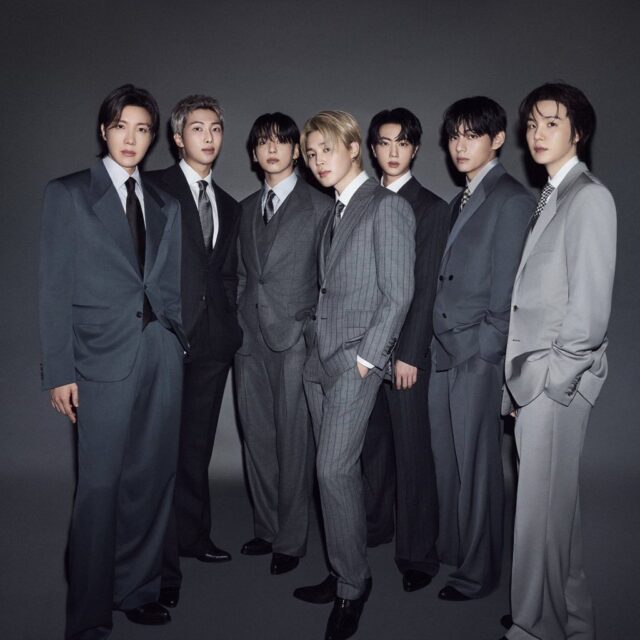
As of the immediate aftermath of the controversy (late March 2026), BigHit Music, under the umbrella of HYBE Corporation, has not issued an official statement regarding the "This is not a bomb" lightstick bag. However, the rapidly escalating nature of the fan outcry on social media suggests that the company is undoubtedly monitoring the situation closely.
In similar past controversies involving K-Pop agencies, responses have varied. Some companies have issued apologies, recalled problematic items, offered refunds, or provided alternative merchandise. Given the practical implications and potential safety risks associated with this particular item, a strong and decisive response from BigHit Music would be anticipated by the fandom and industry observers. A potential course of action could include:
- Immediate Recall and Discontinuation: Removing the controversial lightstick bag from sale and recalling any units already shipped.
- Public Apology and Explanation: Acknowledging the oversight, apologizing for the distress and inconvenience caused, and explaining the steps being taken to prevent similar incidents.
- Refunds or Exchanges: Offering full refunds or exchanges for customers who have purchased the item.
- Internal Review: Initiating a thorough internal review of their merchandise design and approval processes to prevent future missteps.
Failure to address the issue promptly and effectively could lead to sustained negative press, erode fan trust, and potentially harm the carefully cultivated global image of BTS as thoughtful and globally conscious artists. The brand integrity of both BTS and HYBE is at stake, especially as they celebrate a major comeback.
Broader Impact on Brand Image and Fandom
The controversy surrounding the "This is not a bomb" lightstick bag carries significant implications for BTS’s brand image and its relationship with its devoted fanbase. BTS has built a reputation not only on their musical talent but also on their authenticity, their message of self-love, and their deep connection with ARMYs. Missteps in merchandise, especially those that compromise fan safety or practicality, can undermine this trust.
While the incident may be perceived by some as a minor oversight or a misguided attempt at humor, the global nature of BTS’s appeal means that even seemingly small errors can have widespread repercussions. The internet ensures that information and criticism spread rapidly across borders, making it imperative for a global brand to exercise extreme caution and cultural sensitivity in all its endeavors.
For the ARMYs, who are known for their fierce loyalty and organized efforts to support the group, this incident presents a dilemma. Many are eager to support BTS’s comeback through album sales and merchandise purchases. However, being asked to buy an item that could actively cause problems for them in real-world scenarios creates friction. It forces fans to choose between showing their support and ensuring their personal safety and convenience.
In the long term, this incident serves as a crucial reminder for all global entertainment entities about the immense responsibility that comes with their international reach. Every product, every message, and every design must be vetted through a lens of global sensitivity, practical utility, and adherence to international safety standards. The BTS Arirang merchandise controversy underscores the complex challenges of navigating a global market where cultural nuances and security realities demand careful consideration at every stage of product development. The resolution of this situation will not only reflect on BigHit Music’s responsiveness but also set a precedent for how global K-Pop agencies handle similar challenges in an increasingly interconnected world.
Related News