The Cultural Resonance of Critical Discourse in Hallyu Analyzing the Impact of Seoulbeats on Fandom Dynamics and Media Consumption
Article Editorial Team

The global expansion of the Korean Wave, or Hallyu, has fundamentally altered the landscape of international music consumption, moving from a niche subculture to a multi-billion-dollar global phenomenon. Central to this transformation is the role of digital media platforms and fan-led critical discourse, which have bridged the gap between South Korean entertainment agencies and a diverse international audience. Among these platforms, Seoulbeats has emerged as a significant intellectual hub, fostering a community that prioritizes critical analysis over traditional celebrity worship. By examining the internal reflections of its contributors and the broader context of the K-pop industry circa 2013, a clearer picture emerges of how critical media consumption shapes the relationship between fans, the industry, and the cultural products they consume.
The Rise of Critical Fandom in the Hallyu Era
The evolution of K-pop fandom has historically been characterized by intense loyalty and organized collective action. However, as the industry expanded during the "Second Generation" and "Third Generation" transitions, a new subset of the fandom began to demand more than just promotional content. This shift gave rise to platforms like Seoulbeats, which positioned itself as a "campfire" for those seeking to peel back the polished veneer of the idol industry.

For many contributors, the transition from being a passive consumer to a critical writer represents a significant psychological shift. This transition often involves a move from "stan culture"—characterized by unconditional support for specific groups—to a more detached, analytical perspective. As noted by long-term contributors, the immersion in a professional writing environment often leads to a "de-fandomization" process. When writers are tasked with evaluating the entirety of the industry’s output, the emotional energy previously reserved for a single "bias" group is often redistributed into a broader appreciation for the mechanics of the industry as a whole.
Chronology of the K-pop Global Expansion (2010–2013)
To understand the impact of critical discourse during this period, one must look at the timeline of K-pop’s international trajectory. The early 2010s marked a pivotal era where the industry attempted to solidify its presence in Western markets:
- 2010–2011: Groups like Girls’ Generation and Wonder Girls made concerted efforts to enter the U.S. market, appearing on late-night talk shows and releasing English-language singles. This period saw the rise of international K-pop news sites that focused primarily on translation and "fluff" reporting.
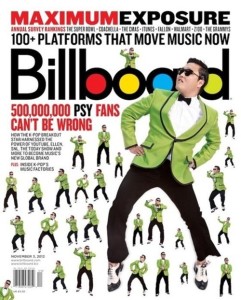
- 2012: The "Gangnam Style" phenomenon by Psy broke traditional barriers, reaching the top of the Billboard Hot 100 and proving that Korean-language content could achieve mainstream Western success. This event triggered a massive influx of new fans who were less familiar with the "Idol Code" of conduct.
- 2013: The year the source discussion took place. The industry saw a massive surge in production volume. Groups like EXO, BTS (debuting in June 2013), and BTOB began to diversify the "idol" sound, while agencies experimented with more complex concepts and business models.
During this 2013 inflection point, the need for critical navigation became paramount. The sheer volume of content—ranging from music videos and variety show appearances to "behind-the-scenes" reality programs—required a filter. Platforms like Seoulbeats provided this filter, helping fans distinguish between high-quality artistic output and mediocre, assembly-line productions.
The "Idol Code" and Cultural Skepticism
A recurring theme among cultural critics is the tension between Western liberal standards and the conservative social expectations of the South Korean entertainment industry. This is often referred to in critical circles as the "Idol Code." This unwritten set of rules governs everything from dating and public behavior to political expressions.
For international writers, analyzing the Idol Code requires a delicate balance. There is a persistent debate regarding whether it is appropriate to impose Western standards of transparency and personal freedom on a different cultural framework. Critics at Seoulbeats have often highlighted the "dating conundrum," where idols face severe backlash or contract terminations for entering into public relationships. By discussing these issues critically, fans move beyond simple outrage and begin to analyze the business implications of the "fantasy" sold by entertainment agencies. This intellectual engagement helps fans reconcile their enjoyment of the music with their discomfort regarding the industry’s labor practices and social constraints.
Supporting Data: The Scale of Production and Consumption
The necessity for a critical platform is underscored by the staggering growth metrics of the K-pop industry during the early 2010s. According to data from the Korea Creative Content Agency (KOCCA), the export value of Korean music grew from approximately $16.5 million in 2008 to over $230 million by 2012.

Furthermore, the volume of new debuts reached an all-time high in the 2012-2013 period. In 2012 alone, over 50 new idol groups debuted. For a fan or a critic, this creates a "signal-to-noise" problem. Writers have noted that while the majority of these debuts may be mediocre, the "universally decent standard" of training in Korea ensures that even mid-tier groups possess high levels of technical proficiency in dancing and singing. This high floor of quality makes it difficult for casual fans to discern which acts are truly exceptional, a gap that critical reviews and editorial pieces aim to fill.
Industry Implications: The Corporate Transparency Gap
One of the more profound impacts of critical media sites is their ability to demystify the corporate aspect of Hallyu. The South Korean "Big Three" agencies—SM Entertainment, YG Entertainment, and JYP Entertainment—operate with a level of control and vertical integration that is rare in Western music markets.
Critics have pointed out that the lack of transparency in how these companies operate often creates an air of mystery that can be both alluring and problematic. By analyzing financial reports, comeback schedules, and media play strategies, critical outlets provide fans with a more grounded understanding of why certain groups are promoted over others. This "business-first" perspective shifts the narrative from "my favorite group isn’t being treated well" to an analysis of market saturation, demographic targeting, and return on investment.

Broader Impact on Global Fandom Relations
The existence of a critical space like Seoulbeats also serves a vital social function: it provides a refuge for the "lonely fan." Historically, K-pop fans in the West often lacked local communities, experiencing their hobby in isolation. Digital platforms transformed this "solo" experience into a collective one.
However, unlike standard forums where "vitriol" and "fan wars" are common, editorial-driven sites encourage a different type of interaction. The feedback loop between writers and readers creates a culture where differing opinions are not only tolerated but expected. This environment fosters "critical thinking" skills that contributors have noted are applicable outside of the Hallyu context, influencing how they consume their own domestic media and perceive social issues in their own countries.
The Hallyu Wave: Skepticism vs. Mainstream Reality
Despite the optimism surrounding the global spread of K-pop, many seasoned critics remain skeptical of its ability to become a "fixed" element of Western mainstream culture. In 2013, the prevailing sentiment was that while K-pop had achieved a significant and loyal niche, it still faced substantial barriers, including linguistic differences and a perceived lack of "authenticity" in the eyes of Western critics.

Ten years later, while BTS and Blackpink have arguably shattered those ceilings, the initial skepticism expressed by writers in 2013 highlights the importance of cautious analysis. By refusing to buy into the "propaganda" of Hallyu as an unstoppable force, critics were able to more accurately assess the challenges the industry faced, such as the sustainability of the idol model and the potential for market fatigue.
Conclusion: The Enduring Value of the Critical Lens
The reflections of the Seoulbeats team provide a roadmap for how fandom evolves in the digital age. The transition from a fervent fan to a logical critic does not necessarily mean a loss of passion; rather, it represents a maturation of interest. By engaging with K-pop as a complex intersection of art, business, and culture, fans can develop a more resilient and rewarding relationship with the media they consume.
As the Hallyu Wave continues to evolve, the role of independent, critical voices remains essential. These platforms hold a mirror up to the industry, celebrating its creative heights while fearlessly interrogating its "dark side." In doing so, they ensure that the conversation around K-pop remains as dynamic and multifaceted as the music itself. Whether through analyzing the technical merits of a BTOB album or debating the ethics of the Idol Code, the critical fan community continues to be the conscience of the global Hallyu phenomenon.
Related News