Former K-Pop Idol Park Seo Hwi Embarks on Unprecedented Path as a Mudang, Bridging Worlds of Entertainment and Ancient Korean Spirituality
Article Editorial Team
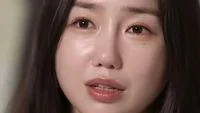
The trajectory of Park Seo Hwi’s life, once illuminated by the vibrant lights of the K-pop stage, has taken a dramatic and deeply spiritual turn. The former idol, recognized for her tenure with the girl group LPG and subsequent career as a broadcaster and sports commentator, has embraced a calling far removed from the entertainment industry: she is now a mudang, a female shaman within the rich, complex tradition of South Korea. This profound transformation, detailed in an upcoming television program on MBN set to air in early April 2026, offers a compelling glimpse into the unseen forces that can reshape a life, challenging conventional notions of success and societal expectations.
Park Seo Hwi’s journey into the spiritual realm began not with a sudden epiphany, but with a series of recurring, unsettling dreams. These nocturnal visitations, featuring deceased family members, became a persistent presence in her life, gradually eroding her peace of mind and sparking a profound sense of curiosity mixed with apprehension. The intensity and repetitive nature of these dreams compelled her to seek counsel from a shaman, a decision that would ultimately redirect her entire existence. It was during this consultation that she received a startling diagnosis: she was "filled with spirits," an articulation that she subsequently understood as an undeniable spiritual mandate, a divine summons to serve as an intermediary between the human and spirit worlds.
This decision was not made lightly. Park Seo Hwi candidly admits to the internal conflict she faced, acknowledging a lingering desire to continue her career in the entertainment sector. The allure of the stage, the familiarity of broadcasting, and the public spotlight were not easily relinquished. However, the perceived weight of her spiritual calling proved insurmountable. A deep-seated concern for the potential repercussions on her family, should she choose to ignore this powerful inner pull, ultimately tipped the scales. This sense of duty, coupled with a profound personal conviction, led her to accept a path fraught with unique challenges and societal complexities.
The emotional toll of this transformation was palpable, particularly for her family. Park Seo Hwi’s father, in a poignant moment captured by the MBN program, articulated his profound sadness and apprehension regarding his daughter’s new direction. His voice reportedly trembled as he remarked, "Becoming a shaman is a difficult path." His distress was compounded by Park’s distinguished academic background and privileged upbringing. A graduate of international studies from the prestigious Korea University, Park Seo Hwi had been raised in an environment that fostered intellectual pursuits and offered abundant opportunities, making her pivot to a traditional spiritual role all the more striking. "It is truly heartbreaking to witness this, considering she graduated from a top-tier university and was raised in such a comfortable environment," he lamented, underscoring the stark contrast between her past and present realities.
Park Seo Hwi’s Journey: From Stage to Spiritual Calling
Park Seo Hwi first rose to public prominence as a member of LPG, a unique K-pop girl group known for its concept of featuring former beauty pageant contestants and models. Formed in 2005, LPG, an acronym for "Lovely Pretty Girls," aimed to offer a more mature and sophisticated image compared to the burgeoning wave of younger idol groups. While not achieving the global mega-stardom of some of their contemporaries, LPG carved out a niche for themselves within the South Korean music scene, releasing several albums and singles that resonated with a specific demographic. Park Seo Hwi, like many idols, underwent rigorous training, mastering singing, dancing, and stage presence, dedicating her formative years to the demanding K-pop industry.
Following her tenure with LPG, Park Seo Hwi skillfully transitioned into a career as a broadcaster and sports commentator. This shift demonstrated her versatility and intelligence, allowing her to leverage her public speaking skills and charisma in a new professional capacity. Her work in broadcasting placed her in a respected position within the media landscape, further cementing her public image as an accomplished and articulate individual. This phase of her career represented a successful pivot from the often ephemeral world of K-pop, suggesting a promising and stable future in media. The contrast between this established public persona and her current spiritual calling highlights the unexpected nature of her transformation.
The Spiritual Awakening: Dreams and Divine Mandate
The genesis of Park Seo Hwi’s spiritual journey lies in the unsettling series of recurring dreams that began to plague her. These dreams, vivid and persistent, often featured deceased members of her family, a common precursor in many shamanic traditions globally for an individual being "chosen." In Korean shamanism, such visitations are frequently interpreted not merely as psychological phenomena but as direct communications from the spirit world, signaling a spiritual awakening or a divine calling. The repeated nature of these dreams suggests a persistent and growing spiritual pressure that eventually became impossible to ignore.
Her decision to consult a mudang was a pivotal moment. Within the context of Korean culture, seeking guidance from a shaman for unexplained phenomena, particularly those involving ancestral spirits or personal misfortune, is a deeply ingrained practice, even in modern times. The mudang‘s declaration that Park Seo Hwi was "filled with spirits" (often referred to as shinbyeong or "spirit sickness" in a broader sense) is a core aspect of becoming a shaman. This state, characterized by physical and psychological distress, visions, and a profound sense of being possessed or chosen, is believed to be curable only by accepting the role of a shaman and undergoing an initiation ritual, known as naerimgut. Park Seo Hwi’s subsequent acceptance of this diagnosis indicates her profound belief in the authenticity of her spiritual experience and the necessity of responding to this calling.
Understanding the Mudang Tradition in Korea
The mudang tradition, often referred to as Korean shamanism or Muism, is one of the oldest and most enduring belief systems on the Korean Peninsula. Predating the arrival of Buddhism, Confucianism, and Christianity, Muism is a complex indigenous religion centered on the belief in a pantheon of gods, spirits, and ancestors, and the pivotal role of the shaman (male baksu, female mudang) as an intermediary. Shamans are believed to possess the ability to communicate with spirits, perform divination, heal illnesses, guide the deceased to the afterlife, and bring good fortune through elaborate rituals called gut.
Historically, mudang played crucial roles in Korean society, serving as spiritual guides, healers, and cultural preservers. They often acted as community leaders, particularly in rural areas, offering solace and practical advice. However, their status has fluctuated dramatically throughout history. During various dynastic periods, particularly under the Joseon Dynasty (1392-1910) which adopted Confucianism as its state ideology, shamanism was often suppressed and marginalized, viewed as superstitious and primitive. This marginalization continued into the 20th century, particularly during the Japanese colonial period and under some modern governments that sought to "modernize" Korea by eradicating traditional beliefs.
Despite periods of persecution, shamanism has persistently endured, often practiced in secrecy or within local communities. In contemporary South Korea, it coexists with major religions like Christianity and Buddhism. While often viewed with skepticism or even disdain by some segments of society, particularly the highly educated urban elite, a significant portion of the population still consults shamans, especially during times of crisis, for guidance on matters such like business decisions, health issues, marital problems, or to appease ancestral spirits. The rise of pop culture phenomena, such as the critically acclaimed 2024 film Exhuma, which prominently features mudang characters, further illustrates the enduring presence and cultural relevance of shamanism in modern Korean consciousness. These portrayals, while sometimes sensationalized, contribute to a broader public awareness, if not always understanding, of the tradition.
Societal Perceptions and Modern Shamanism
The decision of a public figure like Park Seo Hwi to become a mudang inevitably intersects with and challenges contemporary societal perceptions of shamanism. In a highly modernized and technologically advanced nation like South Korea, the practice of shamanism often occupies a liminal space, simultaneously being a deep-rooted cultural heritage and a subject of skepticism.
For many, particularly those educated in Westernized systems, shamanism can be seen as an anachronism, a relic of a pre-modern past. There’s a prevailing stereotype of mudang as figures who exploit the vulnerable or engage in practices antithetical to scientific rationality. This perception is often fueled by media portrayals that sometimes sensationalize or caricature shamans. However, for others, particularly those who have experienced the perceived efficacy of gut or who value traditional Korean culture, mudang are respected spiritual practitioners who provide an essential service.
The phenomenon of mudang appearing on television, as Park Seo Hwi will on MBN, is not entirely new. There have been reality shows and documentaries exploring the lives of shamans, often attempting to demystify their practices or highlight unique personal stories. Such media exposure can contribute to normalizing the image of mudang for some, while for others, it may reinforce existing biases. Park Seo Hwi’s case is particularly compelling due to her background as a K-pop idol and a university graduate, which directly confronts the stereotype of mudang as uneducated or unsophisticated. Her transformation forces a re-evaluation of who a mudang can be and how traditional spirituality can manifest in the lives of modern Koreans.
The Transition: Challenges and Sacrifices
Park Seo Hwi’s transition from the glitz of entertainment to the solemnity of shamanic practice entails numerous challenges and sacrifices. The life of a mudang is rigorous, often requiring extensive study of rituals, chants, and spiritual knowledge, as well as a deep understanding of human psychology and community dynamics. It involves long hours, emotional labor, and often a degree of social isolation from those who do not understand or accept their calling. Unlike a structured corporate job or a predictable entertainment career, the path of a mudang is often unpredictable, guided by spiritual demands and the needs of their clients.
The financial aspects can also be precarious. While some successful mudang can command significant fees for elaborate rituals, many operate within modest means, serving local communities. Furthermore, the spiritual nature of the work often demands a personal asceticism or detachment from worldly pursuits, a stark contrast to the material rewards and public adulation of a celebrity.
For Park Seo Hwi, this also means navigating a dramatic shift in public perception. From being an object of admiration and aspiration, she now steps into a role that, while revered by some, is often misunderstood or stigmatized by others. This requires immense personal strength and conviction to withstand potential criticism and maintain her authenticity in her new role. The emotional confession from her father underscores the familial concern for her well-being on this "difficult path," both spiritually and socially.
Broader Implications for K-Pop and Celebrity Culture
Park Seo Hwi’s story carries broader implications for the K-pop industry and celebrity culture at large. The intense pressure, fierce competition, and often short-lived careers of K-pop idols are well-documented. Many idols struggle to find their footing after their groups disband or their contracts end, facing mental health challenges, identity crises, and difficulty transitioning to new careers. While some successfully pivot to acting, solo music, or entrepreneurship, others fade into obscurity.
Park Seo Hwi’s choice represents an entirely different kind of post-idol trajectory. It highlights the potential for individuals within the entertainment industry to seek meaning and purpose outside conventional career paths, even in highly unconventional spiritual callings. Her story could inspire discussions about the diverse ways former idols cope with life after fame, and the personal sacrifices they make in pursuit of their authentic selves.
Furthermore, her public transformation brings the ancient practice of mudang into direct dialogue with contemporary youth culture and global audiences familiar with K-pop. It forces a re-examination of how traditional spiritual practices can endure and even attract adherents in a modern, secularizing world, particularly when embodied by someone who once epitomized modern popular culture. It underscores the idea that spiritual seeking is not confined to any particular demographic or socio-economic background, and that profound personal transformations can arise from unexpected corners of life.
In conclusion, Park Seo Hwi’s transition from a K-pop idol to a mudang is more than just a personal story; it is a fascinating cultural phenomenon. It is a testament to the enduring power of spiritual calling, the complexities of navigating personal identity in the public eye, and the continued relevance of traditional practices in a rapidly modernizing society. Her journey, soon to be unveiled to a wider audience, serves as a powerful reminder that the paths individuals choose, particularly those who have lived under the intense scrutiny of celebrity, can be as unpredictable as they are profoundly personal, bridging worlds that once seemed entirely disparate.
Related News