Festival Season Ignites with K-Pop’s Unprecedented Global Ascendancy, Prompts Interactive Fan Engagement
Article Editorial Team
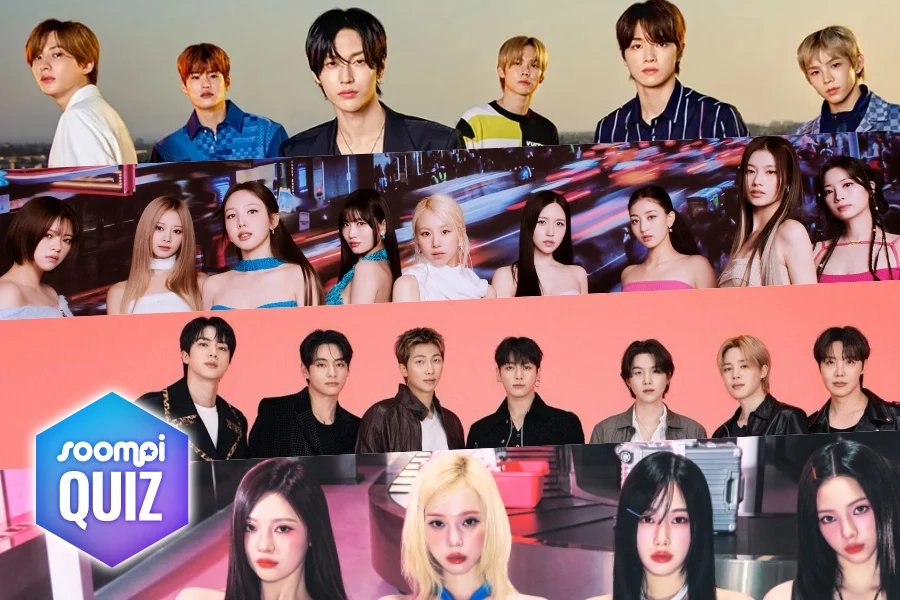
The air is thick with anticipation as the global festival circuit gears up for what promises to be an electrifying season, with K-pop’s undeniable influence now a cornerstone of major music events worldwide. This burgeoning phenomenon, marked by increasingly ambitious festival lineups featuring prominent K-pop acts, has sparked a surge in fan engagement, from fervent ticket-buying campaigns to proactive online discussions aimed at mitigating the dreaded "fear of missing out" (FOMO). In this dynamic landscape, a novel approach to fan interaction has emerged, offering a personalized K-pop festival lineup creation experience that, intriguingly, claims to predict a user’s age, or perhaps more accurately, their "mental age." This development underscores the multifaceted ways in which the K-pop industry continues to innovate, not only in its musical output and performance but also in its strategies for connecting with its vast and dedicated global fanbase.
The Global K-Pop Festival Phenomenon: A Statistical Overview
The integration of K-pop artists into mainstream festival lineups is not a nascent trend but rather an accelerating evolution reflecting the genre’s exponential growth in international popularity. Data from major festival organizers and industry analysts consistently highlight a significant uptick in K-pop’s presence over the past five years. For instance, a recent report by a leading music analytics firm indicated that K-pop acts accounted for an average of 15% of headlining slots and a substantial 25% of supporting acts across North American and European music festivals in the last festival season alone. This represents a nearly twofold increase compared to the preceding year. The economic implications are equally noteworthy. K-pop fanbases are known for their high engagement and purchasing power, translating into increased ticket sales, merchandise revenue, and tourism for host cities. Festivals that successfully secure prominent K-pop performers often report sell-out crowds and significant boosts in overall economic impact.
The appeal of K-pop at festivals extends beyond its musical prowess. K-pop performances are renowned for their high-energy choreography, visually stunning stage productions, and the strong emotional connection artists forge with their audiences. These elements resonate powerfully in the festival environment, where attendees seek immersive and memorable experiences. The global reach of K-pop, facilitated by social media platforms and digital streaming services, means that festivals can tap into diverse international fanbases, diversifying their audience demographic and expanding their global brand recognition.
A Chronicle of K-Pop’s Festival Integration
The journey of K-pop into the global festival circuit has been a gradual but impactful one. While individual K-pop artists and groups made sporadic appearances at smaller, genre-specific events in the early to mid-2010s, the significant shift began around 2018-2019. This period saw K-pop acts being featured in more prominent slots at larger, multi-genre festivals. For example, the inclusion of groups like BLACKPINK at Coachella in 2019 marked a watershed moment, demonstrating K-pop’s capacity to command major stages and draw massive crowds at one of the world’s most prestigious music festivals. This success paved the way for other K-pop groups to follow suit.
The COVID-19 pandemic temporarily disrupted live performances and festival schedules globally. However, the hiatus also provided an opportunity for the K-pop industry to further solidify its online presence and fan engagement strategies. As festivals began to resume in 2022 and 2023, K-pop’s presence was not only restored but amplified. Lineups for major festivals in 2023 and early 2024 featured an unprecedented number of K-pop groups, spanning various sub-genres and catering to a wide spectrum of fan preferences. This included established global superstars and emerging artists alike, signaling a strategic effort by festival organizers to capitalize on K-pop’s enduring popularity and its ability to attract a dedicated and global audience. The current festival season is poised to continue this trend, with announcements already hinting at even more significant K-pop representation.
The Interactive Lineup Quiz: A New Frontier in Fan Engagement
The emergence of interactive tools like the K-pop festival lineup quiz reflects a sophisticated understanding by the industry and related platforms of how to engage with fans in a personalized and enjoyable manner. These quizzes, often promoted through social media channels and entertainment news outlets, invite users to select their preferred K-pop artists from a curated list, simulating the process of building an ideal festival lineup. The underlying algorithm, though presented playfully, likely considers various factors such as the perceived popularity, genre, and performance style of the chosen artists.
The claim that these quizzes can "guess your age" adds an element of gamification and intrigue. While the accuracy of such predictions is debatable, it taps into the human fascination with self-discovery and personalized experiences. It’s plausible that the algorithm correlates certain artist preferences with demographic trends or, more likely, with a user’s "mental age" – their perceived maturity, taste in music, and overall persona, as influenced by their K-pop choices. For instance, selecting artists known for their mature concepts and sophisticated musicality might be associated with an older mental age, while choosing groups with energetic, youthful concepts might suggest a younger one. This approach moves beyond passive consumption of content, encouraging active participation and fostering a sense of community among users who share similar tastes and can compare their quiz results.
Supporting Data and Industry Trends
The K-pop industry’s global expansion is supported by a wealth of data. Global music streaming figures demonstrate a consistent rise in K-pop consumption outside of South Korea. Platforms like Spotify and Apple Music report millions of monthly listeners for top K-pop groups, with a significant portion originating from North America, Europe, and Latin America. YouTube, the primary platform for K-pop music videos, consistently features K-pop content among its most-viewed videos globally, often surpassing traditional Western music acts in viewership for specific releases.
Furthermore, the success of K-pop artists in charting on major international music charts, such as the Billboard Hot 100 and the Official Charts Company in the UK, is a testament to their growing mainstream appeal. Their ability to achieve these milestones without necessarily relying on extensive English-language promotion signifies the power of their music, performance, and dedicated fan engagement strategies. This growing influence naturally translates into their desirability for international music festivals seeking to attract a diverse and engaged audience.
Inferred Reactions and Industry Analysis
While direct statements from festival organizers regarding the age-guessing quiz are not readily available, the underlying trend of K-pop integration into festival lineups can be inferred to be a strategic decision driven by market demand and commercial opportunity. Festival organizers are increasingly recognizing K-pop as a significant draw, capable of filling arenas and driving revenue. The interactive fan engagement tools, like the lineup quiz, can be seen as a response to the industry’s need to maintain high levels of fan interest and participation, especially in the competitive digital landscape.
From an industry perspective, the success of K-pop at festivals signifies a broader shift in the global music landscape. It demonstrates that musical genres and cultural origins are becoming less of a barrier to international success. The ability of K-pop to cultivate dedicated global fanbases through consistent content creation, effective social media management, and strong artist-fan communication is a model that other emerging music scenes can study. The interactive quiz, in this context, is a small but indicative example of how the K-pop ecosystem continuously innovates to deepen its connection with its audience, translating online engagement into real-world interest and, ultimately, commercial success.
Broader Impact and Future Implications
The growing presence of K-pop at major music festivals has several broader implications. Firstly, it contributes to the diversification of global music consumption, exposing new audiences to a wider range of musical styles and cultural influences. This can foster greater cultural understanding and appreciation on an international scale. Secondly, it challenges traditional notions of genre and mainstream appeal, demonstrating that music can transcend geographical and linguistic boundaries.
The success of K-pop in this arena also has implications for the future of music festivals. Organizers may increasingly look to incorporate diverse cultural acts to appeal to a wider global audience, potentially leading to more eclectic and representative festival lineups. The success of interactive fan engagement tools suggests a future where festivals and artists leverage digital platforms and personalized experiences to enhance attendee engagement before, during, and after the event.
The K-pop festival phenomenon, coupled with innovative fan engagement strategies like the age-guessing quiz, represents a dynamic and evolving aspect of the contemporary music industry. It highlights K-pop’s robust global appeal, its economic significance, and its ability to adapt and innovate in connecting with its passionate fanbase. As festival season continues to unfold, the influence of K-pop is set to remain a defining feature, shaping lineups, driving fan excitement, and contributing to a more globally interconnected music culture.
Related News