The Rising Crisis of Sasaeng Culture in K-pop: An Analysis of Extremist Fandom and the Burden on Idol Groups
Article Editorial Team

The South Korean music industry, globally recognized as K-pop, has long been celebrated for its highly organized fan culture and the intense loyalty of its domestic and international followers. However, a darker facet of this devotion has persisted for decades, manifesting in a phenomenon known as "sasaeng" fans. Derived from the Korean words "sa" (private) and "saeng" (life), the term refers to obsessive individuals who engage in invasive, often illegal behavior to intrude upon the personal lives of celebrities. Unlike "gongbang" fans, who follow artists to public recordings and sanctioned events, sasaengs operate in the shadows of the private sphere, utilizing stalking, hacking, and harassment to gain proximity to their idols. While the industry has historically viewed these individuals as an unfortunate byproduct of the idol system, recent escalations involving prominent groups like Exo and TVXQ have sparked a renewed debate regarding the legal protections afforded to artists and the ethical boundaries of fandom.
The Mechanics of Obsession: Defining Sasaeng Behavior
The activities of sasaeng fans far exceed the boundaries of traditional fandom, often crossing into criminal territory. These individuals frequently employ "sasaeng taxis"—chartered vehicles that charge exorbitant rates to follow idol groups’ vans throughout the day and night. These drivers are often specialists in high-speed chases, navigating through Seoul’s dense traffic to ensure their clients never lose sight of their targets.
Beyond physical tailing, the digital age has provided sasaengs with new tools for intrusion. It is common for these individuals to obtain an idol’s private phone number through illicit means, such as bribing employees at telecommunications companies or hacking into personal accounts. Once a number is acquired, the artist is often subjected to a barrage of calls and messages at all hours. In more extreme cases, sasaengs have been known to break into idol dormitories, steal personal belongings—including intimate apparel—and take photographs of idols while they are sleeping. The psychological toll of living under 24-hour surveillance is immense, yet for many years, the industry’s response was characterized by a reluctant acceptance of these behaviors as a sign of a group’s popularity.

Case Study: The Rise of Exo and the Escalation of Fan Misconduct
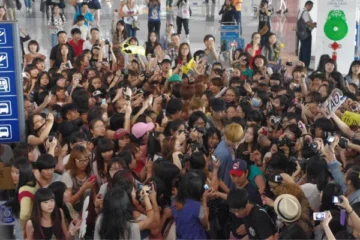
The trajectory of the K-pop group Exo, a product of SM Entertainment, serves as a poignant case study in the intensification of sasaeng culture. Since their debut, the group has been plagued by incidents that highlight the dangers of unregulated fan behavior. In a widely reported incident, a sasaeng fan managed to plant a recording device in a hotel room, capturing audio of member Tao singing in the shower. Such breaches of privacy are not isolated; the group has frequently faced "stampedes" at international airports, where members have been shoved, tripped, and physically restrained by fans attempting to link arms with them.
In an interview with Sports Seoul, the members of Exo expressed the profound burden these incidents place on their daily lives. They described a state of constant vigilance, where even the simplest activities, such as visiting family or attending a friend’s wedding, become logistical nightmares. The group noted that the actions of a few "zealous" fans often tarnish the reputation of the entire fandom, creating a climate of fear rather than mutual respect. The "elephant stampedes" at airports and the disruption of private events, such as the wedding of member Baekhyun’s brother, underscore the total lack of boundaries exhibited by this demographic.

Historical Context: The TVXQ Legacy
While Exo represents the contemporary struggle with sasaeng culture, the veteran group TVXQ is often cited as the primary victim of the phenomenon’s most extreme iterations. During the height of their five-member popularity, TVXQ faced unprecedented levels of harassment. Reports indicated that sasaengs had duplicated the members’ SIM cards to monitor their communications and had installed GPS trackers on their vehicles.
One of the most harrowing incidents in K-pop history involved TVXQ’s Yunho, who was hospitalized after consuming a drink laced with superglue, provided by an anti-fan who had blended into the sasaeng crowd. While this was an act of malice rather than obsession, it highlighted the security vulnerabilities created by the constant presence of unauthorized individuals around idols. The TVXQ era established a precedent where the "top" group in the industry was expected to endure the highest level of sasaeng interference, a trend that SM Entertainment has struggled to mitigate across successive generations of artists.

Corporate Influence and the "Big Three" Pressure
The prevalence of sasaeng culture is often linked to the marketing strategies of South Korea’s major entertainment agencies, such as SM Entertainment, YG Entertainment, and JYP Entertainment. These companies cultivate "parasocial relationships" between idols and fans, utilizing "concepts" and "backstories" to make the artists appear as accessible companions to their audience.
When a company like SM Entertainment announces a new group, the level of anticipation is comparable to a major cinematic franchise launch. This high-stakes environment creates a sense of "ownership" among fans. The more successful a group becomes, the more sasaengs view them as trophies to be tracked. Analysts suggest that the pressure to maintain a "perfect" and "available" image prevents many idols from speaking out against their pursuers, as they fear alienating their broader fanbase or being perceived as ungrateful for their success.

Official Responses and the "Shinhwa Model" of Boundary Setting
Despite the prevailing culture of silence, some veteran idols have taken a stand against sasaeng behavior. Kim Dong-wan of the first-generation group Shinhwa famously told fans, "Shinhwa isn’t responsible for your lives," during a promotional event. This statement was revolutionary at the time, as it challenged the notion that idols should be subservient to every whim of their followers. While Shinhwa initially faced a backlash and a temporary loss of fans, the long-term result was a more mature and respectful relationship with their core audience.
Similarly, TVXQ’s Shim Changmin has been vocal in his disdain for sasaengs, often urging them to "find a boyfriend" or focus on their own lives rather than stalking him. These responses suggest that setting firm boundaries is a viable strategy for mitigating fan misconduct, though it requires a level of professional security and agency support that many rookie groups lack.

Analysis of Potential Mitigations and Strategic Shifts
To combat the sasaeng crisis, industry experts and legal analysts have proposed several shifts in how idol groups are managed and protected:
- Legal Recourse and Strengthening Stalking Laws: For years, stalking in South Korea was often treated as a minor misdemeanor, resulting in small fines. There is an increasing call for "lawyering up" and pursuing criminal charges against sasaengs who engage in breaking and entering, hacking, or physical harassment. Formalizing these incidents as crimes rather than "fan passion" is essential for deterrence.
- Targeting Mature Demographics: Fandoms that skew older, often referred to as "noona" or "ahjumma" fans, tend to exhibit more restrained behavior. By diversifying an idol group’s appeal to include older audiences, agencies can balance the volatile energy of younger, more obsessive fans.
- Prioritizing Safety over Public Relations: Agencies have often been hesitant to call the police on fans for fear of bad PR. However, the physical safety of the artists must take precedence. Implementing stricter airport security protocols and private entrances is becoming a standard necessity rather than a luxury.
- De-emphasizing "Shipping" and Delusional Concepts: Marketing strategies that heavily lean into "OTPs" (One True Pairings) or elaborate fictional backstories can inadvertently fuel the delusions of sasaeng fans. A shift toward focusing on musical talent and artistic merit over "boyfriend" or "girlfriend" personas may help de-escalate the intensity of the fan-idol bond.
- Digital Privacy Protection: In an era of total connectivity, protecting an idol’s digital footprint is paramount. This includes stricter internal controls within agencies to prevent the leaking of personal information and utilizing cybersecurity firms to monitor for hacking attempts.
Broader Impact and Implications for the Industry
The sasaeng phenomenon is not merely a nuisance; it is a systemic issue that threatens the long-term viability of the K-pop industry. As K-pop continues its global expansion, the behavior of domestic sasaengs is being scrutinized by an international audience that may find such intrusions abhorrent. Furthermore, the mental health of idols—a topic that has gained significant attention in recent years—is directly impacted by the lack of privacy and the constant threat of harassment.

The case of Exo and their predecessors demonstrates that as long as the industry rewards extreme devotion without enforcing strict boundaries, the sasaeng culture will continue to thrive. The transition from viewing sasaengs as "passionate fans" to "criminal stalkers" is a necessary evolution for the protection of the artists who drive the Hallyu wave. As fans and agencies alike grapple with these challenges, the goal remains clear: to preserve the joy and community of K-pop while ensuring that the "private lives" of its stars remain exactly that—private.
Related News