What Does Actor Ha Jung Woo Think About His 6-Year-Old Half-Brother From His 80-Year-Old Father?
Article Editorial Team
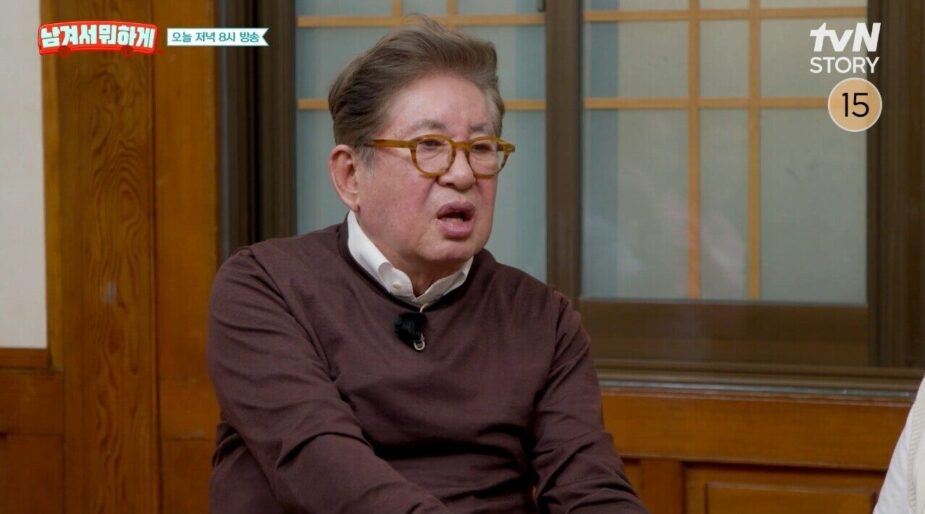
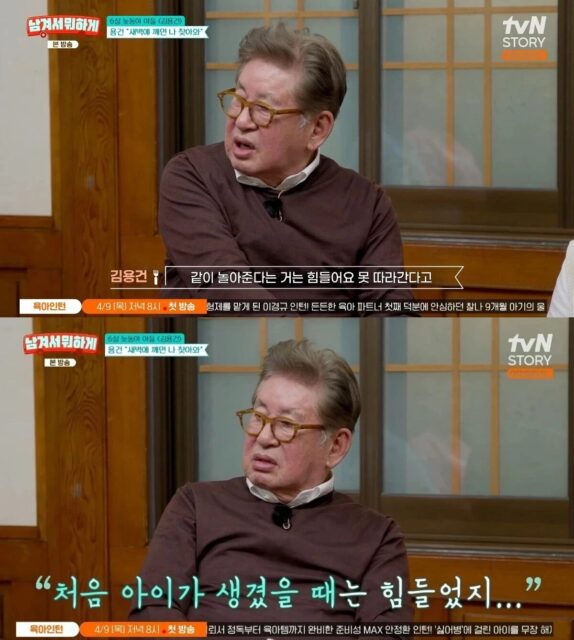
Veteran actor Kim Yong Gun has shared a rare and intimate look into his life as an octogenarian father, detailing the emotional journey of raising a young son while navigating the sunset years of his storied career. During the April 6, 2026, episode of the tvN STORY variety program Table Tales, the 80-year-old performer sat down with host Lee Young Ja to discuss the complexities of his modern family dynamic, specifically focusing on how his adult sons, including the renowned actor Ha Jung Woo, have embraced their youngest sibling. The revelation offers a poignant perspective on family reconciliation, the challenges of late-stage parenting, and the shifting social mores within the South Korean entertainment industry.
The discussion was prompted by a segment featuring Kim Yong Gun interacting with his 30-month-old grandson. In a moment of candid reflection, Kim noted that while he treasures his role as a grandfather, he is simultaneously occupied with the demands of being a father to a child of a similar age. This unique family structure, which places a generation-spanning gap between his children, was initially a source of significant personal and public trepidation for the actor. Kim admitted that re-entering the world of toddlerhood after decades of having raised two successful adult sons was a daunting prospect that required substantial emotional adjustment.
The Evolution of a Family Crisis into a Shared Blessing
The history of Kim Yong Gun’s youngest son is rooted in a highly publicized and controversial period in 2021. At the age of 75, the veteran actor became the center of a legal and media firestorm when it was revealed that a woman 39 years his junior, with whom he had been in a relationship for thirteen years, was pregnant. Initial reports indicated a significant rift between the two parties regarding the future of the pregnancy, leading to a legal dispute that threatened to overshadow Kim’s long-standing reputation as a respected figure in Korean broadcasting.
However, the conflict was resolved through a series of private discussions and a formal settlement. Kim Yong Gun ultimately took full responsibility, pledging to support both the mother and the child. He officially registered the boy under his family registry, ensuring he would have the same legal standing as his older brothers. This act of accountability marked a turning point in public perception, shifting the narrative from one of scandal to one of familial duty.
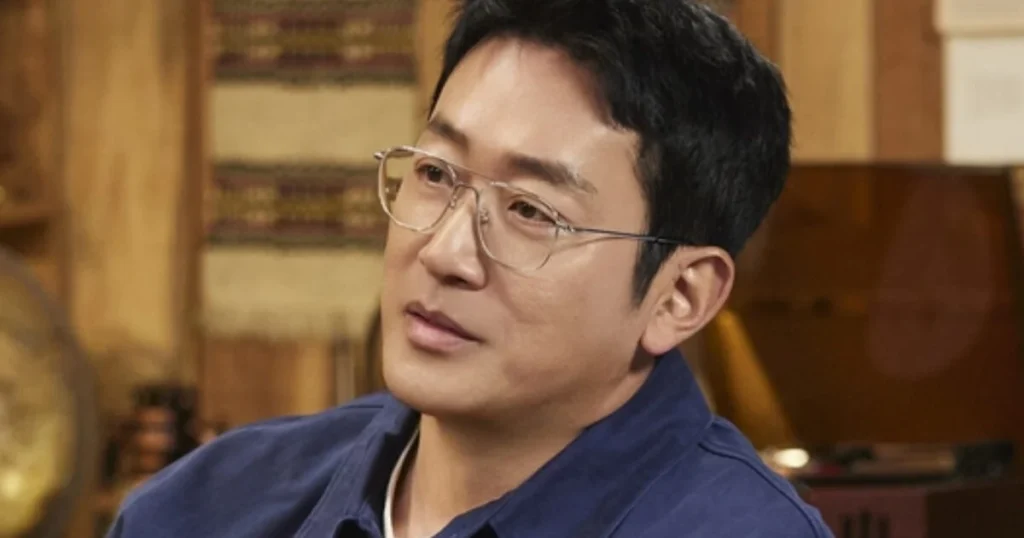
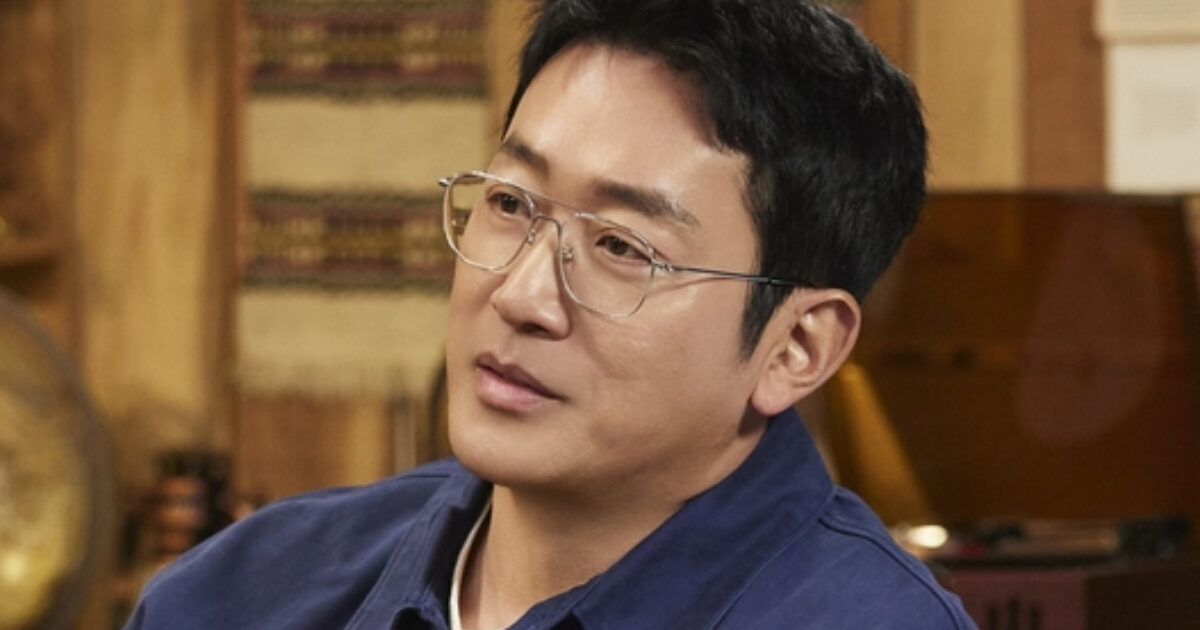
During the Table Tales broadcast, Kim revealed that the support of his two eldest sons, Ha Jung Woo (born Kim Sung Hoon) and Cha Hyun Woo (born Kim Young Hoon), was the catalyst for his own acceptance of the situation. Ha Jung Woo, a powerhouse in the South Korean film industry known for his roles in The Chaser and Along with the Gods, reportedly played a pivotal role in stabilizing the family. According to Kim, both older brothers encouraged him to view the new arrival not as a burden or a source of shame, but as a "blessing." This validation from his adult children provided Kim with the psychological strength to embrace his role as a late-life father, leading him to reflect on the innocence of the child who "did nothing wrong."
The Physical and Social Realities of Parenting at Eighty
Raising a young child in one’s eighties presents a unique set of physical and social challenges that Kim Yong Gun did not shy away from discussing. He described the exhaustion inherent in trying to keep up with a high-energy child, noting that the physical disparity between an 80-year-old and a pre-schooler is a daily reality. "Now I’m the one running after him," Kim remarked, contrasting his current experience with the days when he raised his older sons in the prime of his life.
Beyond the physical demands, the actor touched upon the social anxieties that come with unconventional fatherhood. In South Korea, where social conformity and public image are highly valued, Kim initially feared the judgment of strangers. He spoke of his previous reluctance to visit "kids’ cafes"—popular indoor playgrounds in Korea—due to concerns about whispering or negative looks from other parents and grandparents.

However, as time has passed, Kim’s perspective has shifted toward a prioritize-the-moment philosophy. He expressed a deep sense of urgency regarding his time with his youngest son, acknowledging the reality of his own mortality. This awareness has driven him to cast aside his worries about public perception in favor of creating lasting memories. He now frequents child-friendly spaces and remains actively involved in the boy’s daily routine, including waiting for him after daycare and engaging in frequent video calls when they are apart.
Chronology of Kim Yong Gun’s Modern Family Narrative
To understand the weight of Kim Yong Gun’s recent statements, it is necessary to look at the timeline of events that have defined his family life over the last several years:
- 2008: Kim Yong Gun begins a long-term relationship with a woman 39 years his junior. The relationship remains largely out of the public eye for over a decade.
- Early 2021: The woman informs Kim of her pregnancy. A disagreement ensues regarding the birth, leading to a breakdown in communication.
- August 2021: News of a legal dispute between Kim and the woman breaks in the media. Kim releases a public apology, stating he will take responsibility for the child and the mother’s well-being.
- Late 2021: The youngest son is born. Following a DNA paternity test and a finalized settlement, Kim registers the child in his family registry.
- 2022–2025: Kim gradually begins to mention his youngest son in passing on various broadcasts, signaling a move toward transparency and domestic normalcy.
- April 2026: On Table Tales, Kim provides his most in-depth reflection to date, specifically highlighting the supportive roles of Ha Jung Woo and Cha Hyun Woo.
Supporting Data and Cultural Context
The situation surrounding Kim Yong Gun is reflective of broader demographic and social shifts in South Korea. While the country faces a record-low birth rate and an aging population, the "late-life father" phenomenon among celebrities has sparked public discourse on the ethics and realities of parenting in one’s senior years.
Data from Statistics Korea indicates that the average age of fathers has been steadily rising over the past two decades. While Kim Yong Gun’s case is an extreme outlier, it has contributed to a more nuanced conversation about what constitutes a "traditional" family in the 21st century. Furthermore, the acceptance shown by Ha Jung Woo and Cha Hyun Woo aligns with a growing trend among the younger generation to prioritize familial harmony and the well-being of children over traditional social stigmas associated with out-of-wedlock births.
Ha Jung Woo’s career, in particular, has remained unscathed by his father’s personal life, suggesting that the South Korean public is increasingly capable of separating the private lives of veteran actors from their professional contributions. The actor’s decision to support his father’s new chapter has been viewed by many fans as a testament to his character and maturity.
Broader Implications and Analysis
Kim Yong Gun’s narrative serves as a case study in crisis management and emotional resilience within the public eye. By transitioning from a legal dispute to a public display of fatherly affection, Kim has managed to rehabilitate his image while highlighting the importance of family unity.
The implications of his story are twofold. First, it challenges the ageist stereotypes prevalent in media, showing that the desire for connection and the responsibilities of parenthood do not have an expiration date. Second, it underscores the influential role that adult children play in the lives of their aging parents. The "strength" Kim derived from Ha Jung Woo and Cha Hyun Woo suggests a reversal of the traditional parent-child dynamic, where the adult children become the emotional anchors for the parent navigating a life-altering event.
Kim’s admission that he "doesn’t have much time left" adds a layer of bittersweet reality to the story. It transforms what could have been a tabloid scandal into a humanistic exploration of legacy. For Kim, the youngest son is not just a reminder of a complicated past, but a motivation to remain active and engaged in the present.
As Kim Yong Gun continues to balance his veteran acting career with the demands of a toddler, his journey remains a point of interest for the public. It is a story that encompasses the complexities of modern romance, the legalities of paternity, and the enduring power of family support. Through his transparency, Kim has provided a blueprint for navigating unconventional circumstances with dignity, ultimately proving that even at 80, there are new chapters of life to be written and new roles to be played.
Related News