Kep1er’s "Killa (Face the Other Me)" MV: A Striking Performance Hampered by Underdeveloped Narrative
Article Editorial Team
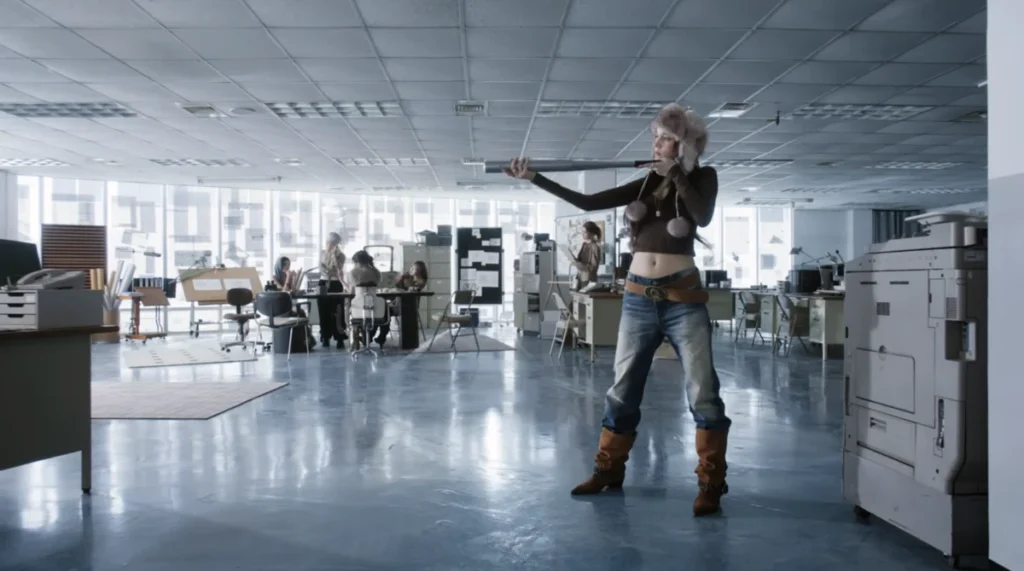
The highly anticipated music video for Kep1er’s latest single, "Killa (Face the Other Me)," has officially dropped, showcasing the group’s undeniable prowess in performance while leaving audiences with a lingering sense of unfulfilled narrative potential. While the visual offering is undeniably a testament to the group’s synchronized execution and dynamic stage presence, it falls short of fully realizing the thematic depth suggested by its title, ultimately leaning more towards a high-caliber performance video than a comprehensive narrative music video. The release, which has generated significant buzz among their dedicated fanbase, Kep1er’s "Kep1ians," highlights a common challenge in K-Pop music videos: balancing impactful performance with compelling storytelling.
Thematic Ambition vs. Visual Execution
The full title, "Killa (Face the Other Me)," immediately sets a stage for introspection and duality. It suggests a journey of self-confrontation, exploring the hidden aspects of one’s personality and the courage required to embrace them. The concept hints at the shedding of old selves, breaking through limitations, and emerging as a transformed, powerful entity—a "true killer." This lyrical narrative, as explained by the group themselves, delves into the "existence of another self hidden in everyone’s heart" and the "moment of facing the hidden nature as one awakens internally, breaks the limits that had oppressed them, and awakens as a true killer." Kep1er’s intention, as articulated in promotional materials, was to "shed the long-oppressed self, break limits, and take precise aim at the anxious inner self through ‘Killa’."
Visually, the music video attempts to translate this theme through several symbolic elements. The most prominent of these is the recurring motif of mirrors. Opening and closing scenes featuring member Dayeon gazing into a mirror, and sequences with Yujin, Xiaoting, and Chaehyun in a mirror-filled room, are intended to evoke introspection and self-discovery. These visual cues align directly with the song’s lyrical exploration of duality and the confrontation with one’s inner self.

Symbolism and Storytelling: A Fleeting Encounter
Beyond mirrors, the video incorporates shadows to create contrast and add a layer of depth to certain scenes. However, these visual representations of the "other me" or inner conflict are often fleeting, making it difficult for viewers to fully absorb and connect with the intended symbolism.
Further insight into the thematic elements was provided by the members themselves in a reaction video to the MV. They explained that the recurring cube motif symbolizes anxiety and uncomfortable emotions or aspects of the self. The gradual fragmentation of this cube throughout the video, culminating in Dayeon’s final scene where she touches a cracked mirror and the crack disappears, offers a subtle, albeit underdeveloped, hint at Kep1er’s confrontation with their "other self." This imagery suggests a journey towards acceptance and integration, where the fractured parts of the self are acknowledged and ultimately healed.
Despite these attempts at symbolic storytelling, the execution feels rushed. The narrative threads, particularly concerning the "other me," are not fully explored or developed. Instead, they appear as glimpses and hints, leaving the overarching concept feeling somewhat restrained and underdeveloped. The video frequently introduces these symbolic elements just as the audience begins to engage with them, only to transition abruptly to another scene or a powerful performance segment. This often leaves the viewer with a sense of anticipation for a deeper dive that never fully materializes, making the conceptual framework feel more like an afterthought than an integral component of the music video’s design.
Performance: The Undeniable Strength
Where "Killa (Face the Other Me)" undeniably shines is in its performance aspects. Kep1er has consistently been lauded for their strong stage presence and intricate choreography, and this music video is no exception. The intricate dance formations, sharp execution, and dynamic transitions are the undeniable highlights. The inclusion of a dedicated dance break at the end further amplifies the impact, showcasing the members’ individual talents and their collective synchronization.

Moments such as the brief dance duet between Yujin and Xiaoting, Hikaru’s commanding center position during the chorus, and the overall powerful choreography during the dance break are precisely the elements that define "Killa." These are the sequences that fully capture the audience’s attention and underscore Kep1er’s established strengths. The visual appeal of the performance sequences, with their sharp angles and energetic movements, creates a compelling viewing experience that compensates for the underdeveloped narrative. The seamless transitions between performance segments and the symbolic imagery, while often abrupt, are executed with a level of polish that keeps the viewer engaged.
Contextualizing "Killa" in the K-Pop Landscape
The sonic and visual direction of "Killa" has led some to draw comparisons to the established aesthetic of groups like aespa, suggesting that Kep1er is tapping into current K-Pop trends. This aligns with the broader industry’s inclination towards conceptually rich and visually striking music videos that often explore themes of alternate realities, futuristic concepts, and personal transformation. However, in a music industry that is increasingly saturated with high-quality productions, "Killa" struggles to carve out a unique identity that truly sets it apart.
While the song itself is not sonically weak and adheres to a modern K-Pop sound, the music video’s inability to fully flesh out its ambitious concept prevents it from achieving a truly distinctive edge. The "Face the Other Me" concept, with its potential for profound meaning and depth, remains largely unexplored. This missed opportunity results in a viewing experience that, while visually polished and performance-driven, ultimately feels surface-level. The intensity and boldness of the concept promised are not fully delivered, leaving "Killa" as a competent but not groundbreaking addition to Kep1er’s discography.
Implications and Future Trajectory
The "Killa (Face the Other Me)" music video release on April 2, 2026, follows a period of intense promotion for Kep1er’s latest comeback. The group, formed through the Mnet survival show Girls Planet 999 in 2021, has been navigating the competitive K-Pop landscape with a series of releases that have consistently highlighted their performance capabilities. This particular comeback was highly anticipated, especially following the success of their previous mini-album, Doublast.

The strategy of leaning heavily into performance, while a core strength for Kep1er, also presents a potential challenge. As groups mature and their discographies grow, there is an increasing expectation for them to evolve their storytelling and conceptual depth. While "Killa" showcases the group’s current abilities, its underdeveloped narrative might lead to questions about their long-term conceptual direction and their ability to translate more complex themes into compelling visual narratives.
Industry analysts have noted that in an era where music videos serve not only as promotional tools but as integral components of a group’s artistic identity, a strong narrative can significantly enhance a song’s impact and resonance. The success of music videos that masterfully blend performance with storytelling, such as those from BTS or BLACKPINK, demonstrates the power of a cohesive artistic vision. For Kep1er, the "Killa" experience suggests an opportunity for future growth in developing richer narrative arcs that complement their undeniable performance talents. The group’s agency, WAKEONE and Swing Entertainment, will likely consider this feedback as they plan future releases, aiming to strike a more effective balance between captivating performance and profound thematic exploration. The engagement with the concept of facing one’s inner self is a powerful theme, and its more complete realization could lead to even greater artistic impact for Kep1er.
Related News