K-Pop’s Vibrant Spring Awakening: A Deep Dive into Seasonal Fashion Trends and Idols’ Aesthetic Expression
Article Editorial Team
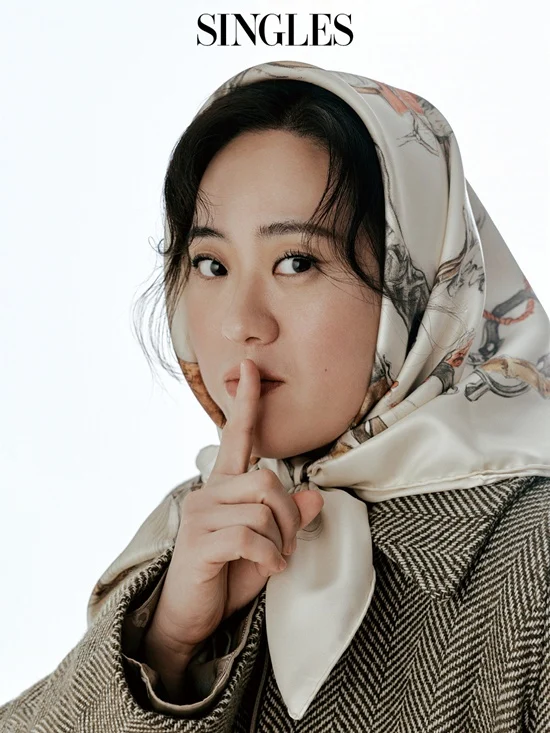
Welcome back to another instalment of For Your Viewing Pleasure, where we take time out of the week to curate a set of photos from the K-pop landscape. As spring gradually emerges from the dormancy of winter, the K-pop fashion scene is experiencing a vibrant rejuvenation, marked by an effusion of bold colors, delicate shades, and nature-inspired motifs. This seasonal transition provides a fertile ground for stylistic innovation, with prominent figures such as Sohee, Hwang Min-hyun, and Go Ah-sung leading the charge in embodying spring’s refreshing aesthetic. Their curated looks, featured across esteemed publications like Arena, Bold Page, Big Issue, Singles, Trotier, and Y Magazine, underscore the industry’s meticulous approach to aligning celebrity imagery with the prevailing mood of the season, transforming fashion into a dynamic narrative of renewal and blossoming creativity.

The Unfolding Canvas: K-Pop’s Seasonal Fashion Narrative
K-pop’s influence extends far beyond music, firmly establishing itself as a global trendsetter in fashion. The industry’s meticulous attention to visual aesthetics means that seasonal shifts are not merely observed but actively celebrated and integrated into the overarching brand identities of artists and groups. Spring, in particular, holds significant thematic weight, often symbolizing new beginnings, growth, and a fresh outlook. This translates directly into styling choices for music videos, album photoshoots, promotional appearances, and magazine editorials. Stylists and creative directors within the K-pop ecosystem meticulously craft wardrobes that not only reflect current global fashion trends but also infuse them with unique Korean sensibilities and the individual charisma of each idol. The deliberate curation of spring-themed fashion is a strategic move to resonate with audiences, evoke positive emotions associated with the season, and maintain a fresh, evolving public image for artists. This cyclical alignment of fashion with the seasons is a cornerstone of K-pop’s visual marketing strategy, ensuring that artists remain relevant and visually compelling throughout the year.

Palette of Rejuvenation: Key Spring Trends in K-Pop
The current spring season in K-pop fashion is characterized by a distinct shift towards lighter, more optimistic aesthetics. The palette embraces both the gentle pastels reminiscent of blooming flowers and the vibrant, saturated hues that signify the energy of new life. "Bold colors and lovely shades" encapsulate this duality, allowing for a wide spectrum of expression. Pastel tones, such as pale lilac, mint green, sky blue, and soft peach, offer a sense of serenity and elegance, often associated with a refined spring look. Conversely, "popping colors" like fuchsia, electric blue, sunny yellow, and vivid orange inject dynamism and a playful spirit, reflecting the exhilaration of warmer weather.

Floral motifs are, unsurprisingly, a recurring theme. Beyond simple prints, K-pop styling often elevates these elements into sculptural or abstract forms. The concept of "turning petals into wings," as seen with Sohee, exemplifies this imaginative approach, transforming natural elements into whimsical, fantastical fashion statements. This goes beyond traditional floral patterns, incorporating actual three-dimensional flower embellishments, embroidered details, or even entire garments designed to mimic the texture and form of petals. Fabrics tend towards lighter, breathable materials such as chiffon, silk, linen blends, and soft cotton, ensuring comfort as temperatures rise while maintaining an elegant drape. Silhouettes often lean towards relaxed and flowing forms, from oversized blazers and wide-leg trousers to ethereal dresses and casual co-ords, embodying the "casual and leisurely" vibe perfect for spring.
Idol Spotlights: Embodying the Spring Aesthetic

Several prominent K-pop figures have recently showcased exemplary spring fashion, each interpreting the season through their unique stylistic lens.
Sohee, a veteran in the K-pop landscape, has long been recognized for her versatile fashion sense. In her recent editorial features, she adopts a distinctly "whimsical tone" that perfectly marries the delicate beauty of spring with an imaginative flair. Her styling transcends conventional floral themes by ingeniously integrating flowers and petals into her ensemble, even creating the illusion of "petals into wings." This not only highlights the artistic potential of fashion but also reinforces her image as an artist capable of ethereal and captivating portrayals. Sohee’s agency, BH Entertainment, has consistently supported her in exploring diverse fashion concepts, positioning her as a style icon whose choices often set trends. Her ability to blend playful fantasy with sophisticated elegance makes her a compelling figure in the spring fashion narrative, often drawing parallels to high fashion editorials that prioritize conceptual artistry.

Hwang Min-hyun, known for his refined visuals and charismatic stage presence, presents a "refreshing and bright take on spring." His sartorial choices for the season often lean towards clean lines, crisp fabrics, and a palette that balances classic elegance with vibrant accents. His "popping colors" are not just random splashes but carefully chosen hues that complement his sophisticated image, often seen in structured yet lightweight outerwear or statement accessories. As an artist under Pledis Entertainment, Hwang Min-hyun’s styling frequently emphasizes a polished yet approachable aesthetic, making him a role model for contemporary male fashion. His spring looks often feature tailored pieces in unexpected bright colors or soft pastels, demonstrating how masculinity can be expressed through a fresh and invigorating lens, appealing to a broad demographic of fans who appreciate his clean-cut yet fashionable appeal.
The collective styling approach seen with AHOF (interpreted here as a conceptual representation of a trend rather than a specific idol group, often reflecting a curated aesthetic by a brand or editorial) further exemplifies the embrace of "popping colors." This trend suggests a move towards bolder, more energetic expressions of spring, utilizing vibrant color blocking, striking monochromatic looks, or playful patterns that demand attention. This aesthetic often targets a younger demographic, prioritizing visual impact and a sense of youthful exuberance. Such styling is frequently seen in fashion spreads designed to push boundaries and introduce new interpretations of seasonal trends, moving away from purely traditional spring pastels towards a more dynamic and contemporary vibrancy.

Actress Go Ah-sung, renowned for her compelling performances and distinct personal style, offers a more understated yet equally impactful interpretation of spring fashion. Her "pale lilac outfit" is specifically noted for being "casual and leisurely," embodying a sense of relaxed sophistication. Lilac, a quintessential spring shade, offers a gentle nod to blooming flowers without being overtly floral. Her choice of a relaxed fit suggests a comfort-first approach that doesn’t compromise on elegance, a growing trend in post-pandemic fashion that prioritizes wearable luxury. Go Ah-sung’s presence in fashion editorials bridges the gap between celebrity and everyday wearability, making aspirational fashion feel attainable. Her agency, KeyEast, frequently highlights her ability to exude natural charm, and her fashion choices often reflect this authentic, approachable elegance, making her a relatable yet stylish figure for spring.
The Curatorial Eye: Role of Magazines and Stylists

The emergence and dissemination of these spring fashion trends in K-pop are largely orchestrated by a collaborative network of fashion magazines, stylists, and entertainment agencies. Publications such as Arena, Bold Page, Big Issue, Singles, Trotier, and Y Magazine serve as critical platforms, curating visually stunning editorials that not only showcase the latest trends but also influence public perception and consumer behavior.
The timeline for these features typically begins in late winter, with fashion teams conceptualizing themes and sourcing garments from spring/summer collections. Photoshoots often take place months in advance, allowing for meticulous planning and post-production. Upon release, these editorials act as trend forecasts, signaling to fans and the broader fashion industry what to expect in the coming months.

Industry stylists, the unsung heroes of K-pop fashion, play a pivotal role. As one might infer from their consistent work, a leading K-pop stylist might remark, "Our goal is to translate global runway trends into looks that are uniquely K-pop, while also resonating with the individual artist’s image and the seasonal mood. For spring, it’s about finding that perfect balance between freshness, vibrancy, and wearability." Similarly, an editor from a publication like Singles or Arena might articulate their strategy: "We aim to inspire our readers by presenting K-pop idols as fashion forward figures. Spring editorials are particularly exciting because they allow for such a wide array of colors and concepts, from the whimsical to the boldly modern, directly influencing what people will want to wear." Entertainment agencies, in turn, strategically coordinate these magazine features and fashion partnerships to amplify their artists’ profiles, viewing such appearances as essential components of their branding and marketing efforts. They often seek to position their idols as trendsetters, using high-profile fashion spreads to reinforce their artists’ appeal and influence.
Global Resonance and Industry Dynamics

The impact of K-pop’s spring fashion extends far beyond the Korean peninsula. With the global surge in K-pop’s popularity, these fashion trends are rapidly disseminated worldwide through social media and dedicated fan communities. A striking outfit worn by an idol in a magazine spread can instantly go viral, leading to increased demand for similar styles and a broader acceptance of diverse fashion aesthetics across different cultures. This phenomenon has significant economic implications, driving sales for both luxury brands and fast-fashion retailers that quickly adapt to these emerging trends. Brands, recognizing the immense purchasing power and influence of K-pop fandoms, are increasingly eager to collaborate with idols, leading to a synergistic relationship where artists become global brand ambassadors.
Moreover, K-pop fashion contributes to a broader cultural exchange, introducing new stylistic elements and interpretations to the global fashion dialogue. The emphasis on imaginative styling, often blending traditional Korean elements with contemporary global trends, fosters a unique aesthetic identity that continues to evolve. As the temperatures rise and the natural world blossoms, so too does the K-pop fashion landscape, offering a continuous source of inspiration and innovation. The meticulous curation of these spring looks by idols, stylists, and media publications ensures that K-pop remains at the forefront of global fashion, allowing "style to take flight and blossom" in the most vibrant and compelling ways. The intricate dance between nature’s rejuvenation and sartorial expression solidifies K-pop’s position not just as a music genre, but as a powerful cultural force shaping the future of fashion.
Related News