Red Velvet’s Irene Torn Apart Over Latest Encore Performance
Article Editorial Team

The Context of the Solo Debut and Music Show Victory
Irene’s solo debut has been one of the most anticipated events for fans of Red Velvet, a group renowned for its vocal prowess and experimental discography. Having debuted in 2014, Irene has spent over a decade as a central figure in the Hallyu wave, primarily serving as the group’s leader, visual, and lead rapper. The release of "Biggest Fan" represented her first foray into a full-scale solo project, aiming to showcase a more personal and nuanced side of her artistry.
The victory on Music Bank was particularly notable because it came during a highly competitive week. Irene was nominated alongside BTS, a global powerhouse whose digital and physical sales figures usually guarantee a win. Securing the number-one spot against such a formidable opponent was initially hailed as a triumph for Irene and her dedicated fanbase, ReVeluv. However, the subsequent encore performance, which is often viewed by the Korean public as the "true test" of an idol’s talent, shifted the narrative from her commercial success to her technical execution.
Chronology of the Controversy
The controversy began almost immediately after the live broadcast concluded. As is standard practice, the "Encore Facecam" was uploaded to YouTube and other streaming platforms, allowing viewers to hear the raw, unedited audio of the performance.
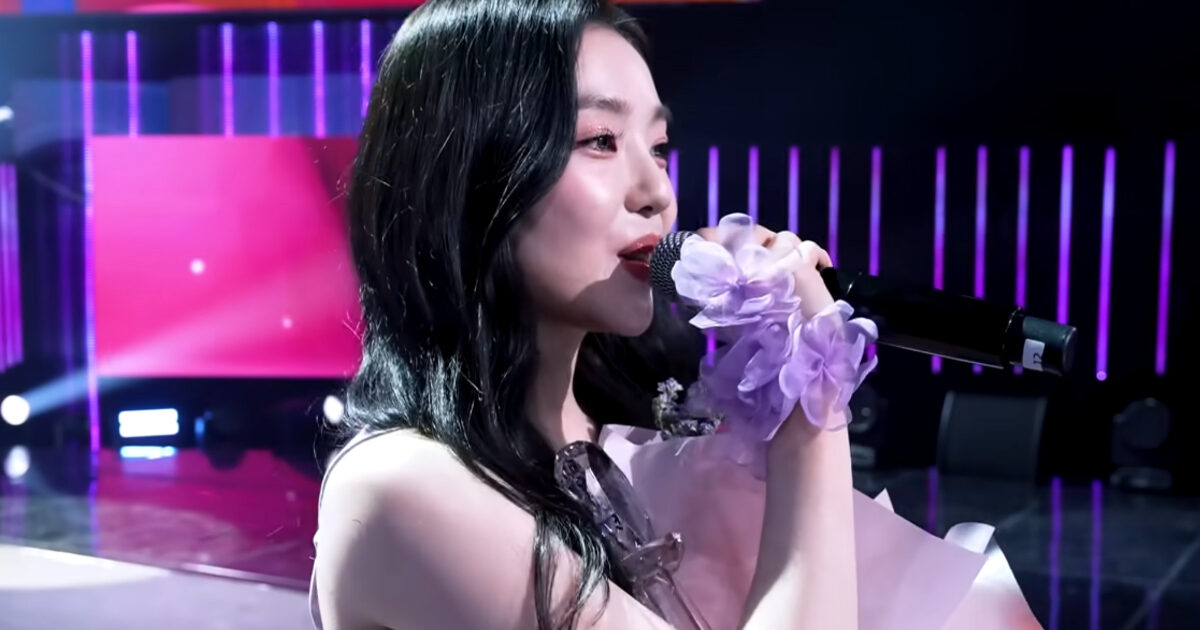
- Initial Broadcast (April 10, 2026, 6:00 PM KST): Irene is announced as the winner. She gives an emotional acceptance speech, thanking her fans and staff. She begins singing "Biggest Fan" as the credits roll.
- Social Media Reaction (April 10, 2026, 7:30 PM KST): Short clips of the chorus and bridge begin to go viral on X (formerly Twitter) and TikTok. While fans celebrate the win, "anti-fans" and critics point out instances where Irene appeared to be off-pitch or hesitant.
- Community Forum Explosion (April 11, 2026, Morning): Discussions on popular Korean forums such as TheQoo and Nate Pann reach the "Hot" category. One post, titled "The song is apparently just one note, and she can’t even hit that," garners hundreds of thousands of views and thousands of comments.
- International Discourse (April 11, 2026, Afternoon): The debate spreads to international K-pop communities. The discourse evolves into a broader conversation about the expectations placed on "veteran" idols versus "rookie" idols.
Analysis of the Performance and Technical Critiques
The primary criticism leveled against Irene concerns her vocal stability. "Biggest Fan" is characterized by a sophisticated, mid-tempo production that utilizes significant vocal layering in its studio version. Critics argue that during the live encore, Irene struggled to maintain the melody without the support of the track’s harmonies.
Some netizens described the performance as "awkward" and "lacking," suggesting that for an artist with over a decade of experience, the level of vocal control displayed was insufficient. A recurring sentiment in the criticism was the comparison between the studio recording and the live rendition. In the studio version, Irene’s voice is processed to sound airy and ethereal; live, however, some listeners found the tone to be thin and the pitch inconsistent. One viral comment noted, "We aren’t asking for high notes or power vocals, just the ability to stay on key for a simple melody."
Conversely, supporters of the artist have provided a more nuanced perspective on the technical challenges of the song. Fans pointed out that "Biggest Fan" is not a traditional "belting" song, but rather one that relies on delicate breath control and specific stylistic choices. They argued that the encore stage, which is often chaotic and filled with emotional distractions, is not the ideal environment to judge an artist’s technical capability. Furthermore, some defended the performance by noting that Irene appeared to be enjoying the moment, interacting with the audience and staff, which naturally affects vocal consistency.
Supporting Data and the "Encore Standard" in 2026
The backlash against Irene does not exist in a vacuum. It is part of a growing trend in the K-pop industry where encore performances have become high-stakes battlegrounds for an idol’s reputation. In recent years, several high-profile groups from the fourth and fifth generations have faced similar "encore crises," leading to a heightened sensitivity among the public regarding live vocals.

Data from social media sentiment analysis suggests that the scrutiny on veteran idols is often harsher than that on rookies. For an artist like Irene, who belongs to a group (Red Velvet) celebrated for having some of the best vocalists in the industry (such as Wendy and Seulgi), the expectations are disproportionately high. The public often expects every member of such a prestigious group to exhibit "main vocalist" levels of stability, regardless of their specific role within the team.
Official Responses and Fan Defenses
As of the current reporting, SM Entertainment has not issued an official statement regarding the online discourse. This is consistent with the agency’s historical approach to such controversies, typically preferring to let the artist’s future performances speak for themselves.
Irene’s fanbase, however, has been proactive in countering the narrative. Using hashtags and compiling "live vocal appreciation" threads, ReVeluvs have highlighted Irene’s previous stable performances in concerts and radio shows. They argue that the focus on a single three-minute encore stage is a form of "selective outrage." Some fans have even suggested that the criticism is rooted in "nugu privilege"—a slang term used to describe how lesser-known idols are often forgiven for mistakes that would ruin the reputation of a superstar like Irene.
One fan defense that gained traction emphasized the psychological aspect of the win. "She has waited 12 years for this solo moment," one supporter wrote. "To win against a group as big as BTS is overwhelming. Anyone would be shaking or lose their breath. It’s a human reaction, not a lack of talent."

Broader Impact and Industry Implications
The "Irene Encore Debate" reflects a significant shift in the K-pop consumer landscape. As the industry becomes more globalized, the demand for "all-rounder" idols—those who can dance, rap, and sing perfectly live—has intensified. This has created an environment where one subpar live performance can overshadow years of hard work and successful discography.
For Irene, this controversy serves as a double-edged sword. On one hand, the viral nature of the debate has brought even more attention to her solo debut, potentially increasing digital streams and physical sales as curious listeners tune in to judge for themselves. On the other hand, it places immense pressure on her for future live stages. The industry will be watching her next music show appearances closely to see if she can "redeem" her vocal reputation.
Furthermore, this incident highlights the precarious nature of solo debuts for members of established groups. When an idol steps out from the collective identity of a group, they lose the "safety net" of their bandmates’ strengths. For Irene, the absence of Red Velvet’s powerful vocal line made her individual contribution the sole focus of the audience, magnifying both her charms and her perceived flaws.
Conclusion: A Milestone Amidst the Noise
Despite the polarizing reactions, the fact remains that Irene’s solo debut has been a commercial success. "Biggest Fan" continues to perform well on digital charts, and her music show win is a testament to her enduring popularity and the strength of her fandom.
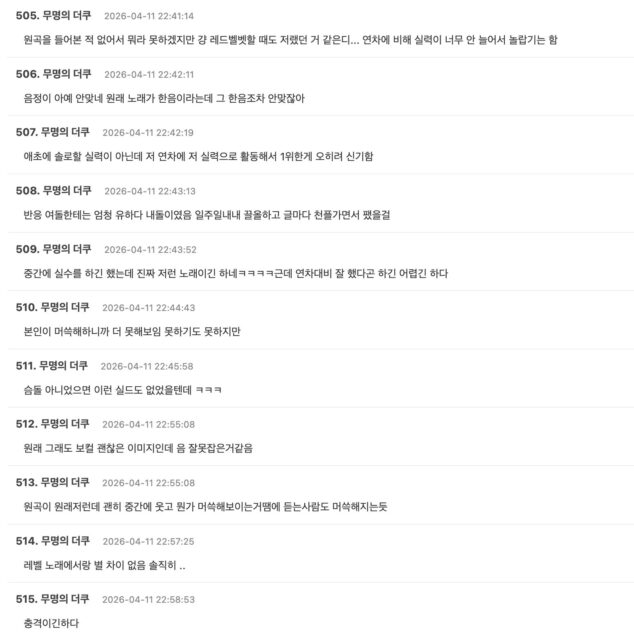
The debate over her encore performance is indicative of the current K-pop climate—one that is increasingly focused on technical perfection and live authenticity. While the criticism has been harsh, it also underscores the high regard in which Irene is held; the public expects greatness from her because she has been a pillar of the industry for over a decade. As the promotion period for "Biggest Fan" continues, the focus will likely shift from this single moment of controversy to the broader trajectory of her solo career and her ability to navigate the evolving expectations of the global music stage.
Related News