Popular Singer Hit With Fierce Backlash For Putting In Zero Effort At Fan Sign Event
Article Editorial Team
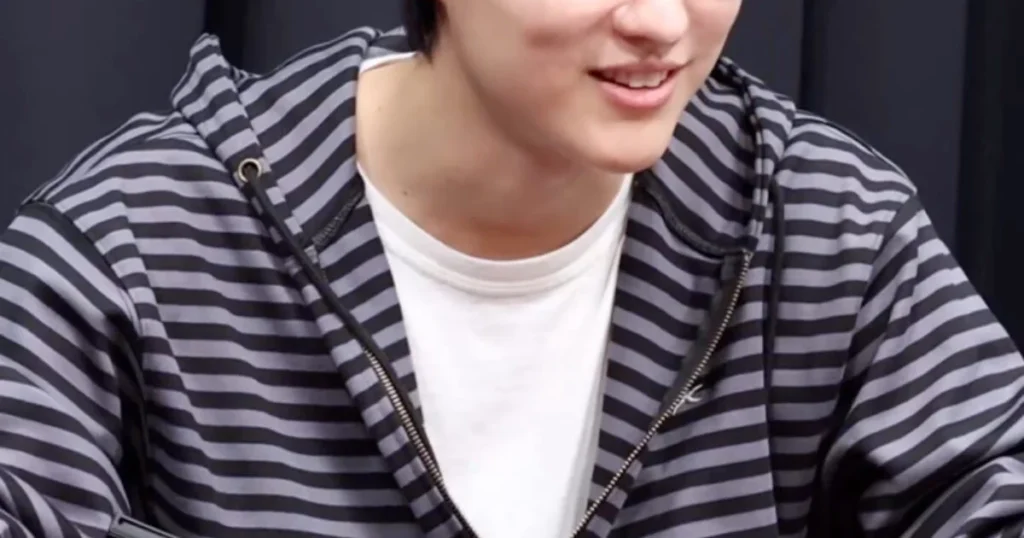
Popular South Korean solo artist WOODZ, born Cho Seung-youn, recently faced significant online criticism following his appearance at a fan sign event for his latest album. The controversy ignited when images and accounts from attendees circulated across social media platforms, highlighting what many fans perceived as a noticeable lack of effort in his presentation, leading to widespread disappointment and demands for an apology.
Immediate Controversy and Fan Discontent
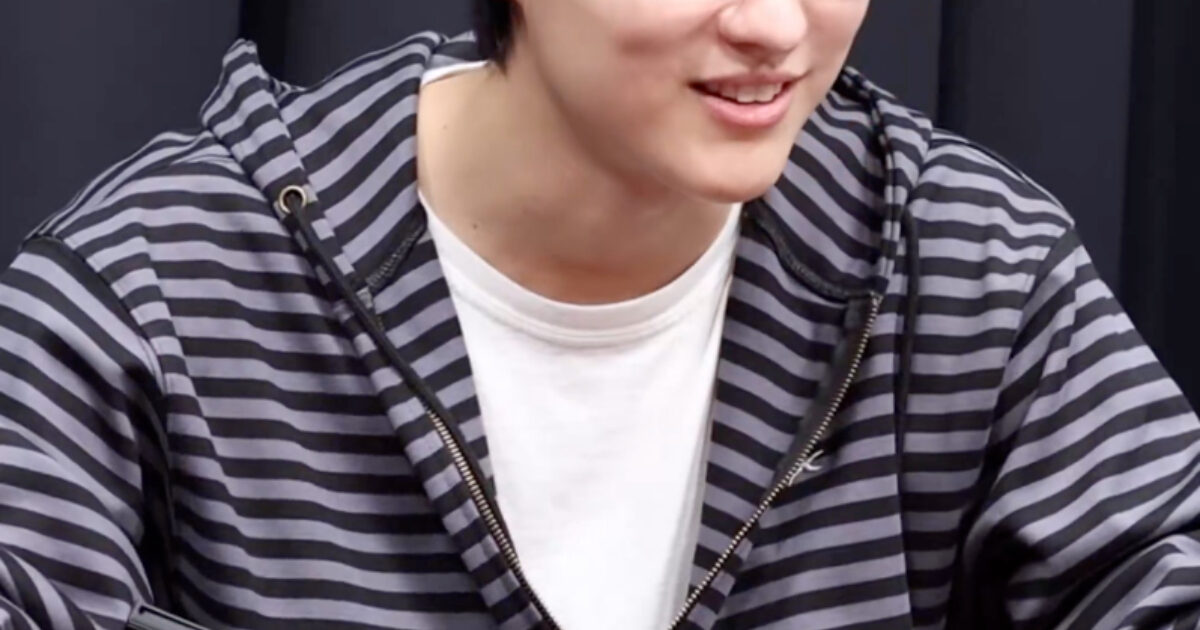
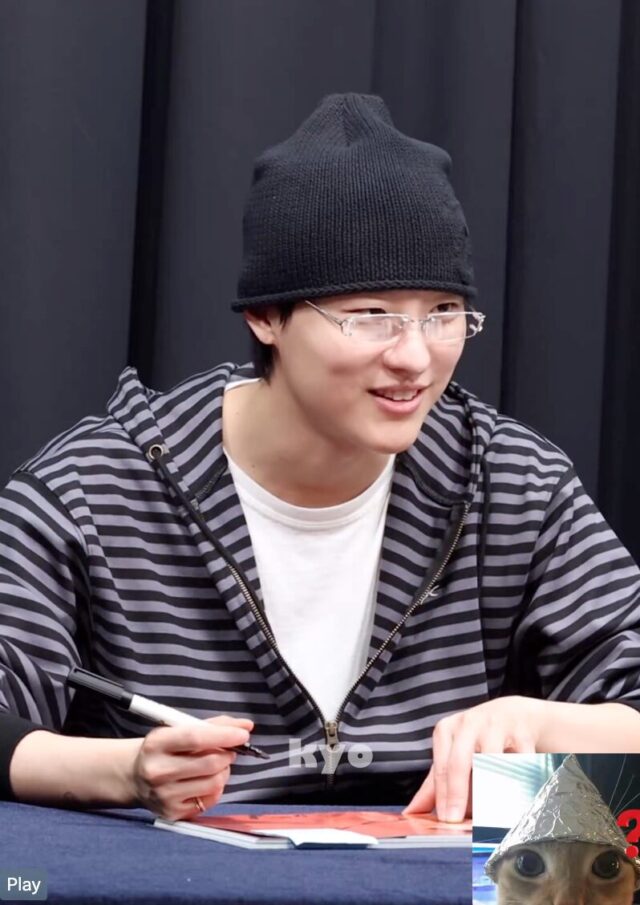
The incident, which occurred during what was reportedly the final in-person fan sign event for his recent album promotion cycle on April 11, 2026, saw WOODZ arriving in notably casual attire. Photos shared online depicted the singer wearing seemingly everyday clothes, glasses, and a beanie, eschewing the more polished and stylized looks typically expected of K-Pop idols at such intimate fan engagements. This casual approach quickly became a flashpoint, with fans expressing acute frustration over his appearance. Many felt that for a high-profile event designed for direct interaction with his dedicated fanbase, a more professionally styled and "stage-ready" presentation was not just customary but a fundamental gesture of respect.
The backlash was swift and fierce, echoing through various online communities and social media. Fans articulated their disappointment, emphasizing the significant financial and emotional investment required to attend these exclusive events. The prevailing sentiment was that WOODZ’s casual styling conveyed a lack of appreciation for their efforts and commitment, especially given the event’s designation as the concluding fan sign for the album.
The Dynamics of K-Pop Fan Sign Events
To fully comprehend the depth of fan discontent, it is crucial to understand the unique ecosystem of K-Pop fan sign events. These gatherings are far more than mere autograph sessions; they represent a pinnacle of fan-idol interaction, offering a rare opportunity for direct, albeit brief, personal engagement.
-
Significance and Investment: Attending a K-Pop fan sign event is a highly competitive and often costly endeavor. Fans typically gain entry through a lottery system, with eligibility contingent upon purchasing a substantial number of albums during a specified period. It is not uncommon for dedicated fans to buy dozens, or even hundreds, of copies of an album to increase their chances of winning a spot. Beyond the financial outlay, fans often incur significant expenses related to travel, accommodation, and time off work or studies. For many, these events are once-in-a-lifetime opportunities, a chance to convey their unwavering support and receive a personal acknowledgment from their idol. Consequently, expectations for the artist’s appearance and engagement are exceptionally high. Fans anticipate seeing their idol in a meticulously styled, visually appealing manner that reflects the professionalism and glamour associated with the K-Pop industry. This includes professionally done hair, makeup, and carefully selected outfits, often coordinated with the album’s concept.
-
Industry Standards: The K-Pop industry is renowned for its emphasis on visual perfection and meticulously crafted public images. Idols are typically presented to the public in a highly polished manner, a standard maintained not only for performances and official broadcasts but also for fan-facing events like fan signs. Agencies invest heavily in styling teams, makeup artists, and hair professionals to ensure artists consistently project an aspirational and captivating image. This professional presentation is widely considered part of the "fan service" – an unspoken agreement where idols deliver an elevated experience in exchange for fan loyalty and financial support. When this standard is perceived to be unmet, particularly at an exclusive event, it can trigger strong negative reactions from a fanbase that feels their investment has not been reciprocated with adequate effort.
Chronology of the Incident

The controversy unfolded rapidly across digital platforms. The fan sign event itself took place on April 11, 2026. Almost immediately following the event, attendees began sharing photos and personal accounts online.
- April 11, 2026: Images of WOODZ at the fan sign, showcasing his casual attire, first appeared on platforms like X (formerly Twitter) and popular South Korean online forums such as theqoo. Initial posts were often accompanied by direct expressions of disappointment and shock from fans present at the event.
- April 11-12, 2026: The posts quickly went viral, attracting widespread attention from the broader K-Pop community. Screenshots of the fan complaints and images of WOODZ’s appearance were reposted countless times, sparking heated discussions about artist professionalism, fan expectations, and the etiquette of fan engagement events. The speed at which the issue escalated underscores the immediate and powerful impact of fan sentiment in the digital age.
Fan Reactions and Social Media Outcry
The online response was dominated by sentiments of betrayal and frustration. Translated excerpts from viral tweets encapsulate the prevailing mood:
- One fan articulated their deep disappointment, stating, "It was the last fan sign for this comeback, and he didn’t put any effort into looking good. I want an apology for this." This tweet highlights the specific grievance regarding the event’s finality, suggesting a heightened expectation for a memorable and polished send-off to the album promotion.
- Another fan expressed profound shock at the perceived lack of professionalism: "How can you come to an in-person fan sign event with no makeup or hair done…I am literally in so much shock…Ahhhhh." This reaction underscores the fundamental expectation that idols present a prepared and visually appealing image, especially in a face-to-face setting.
- A third comment drew a stark contrast between the artist’s appearance and the event’s significance: "He’s wearing something someone would wear to a coffee shop. It must’ve cost so much for fans because it was the last fan sign…he needs to reflect on his actions." This comment directly links the artist’s casual attire to the substantial financial burden borne by fans, suggesting a disconnect between the artist’s effort and the fans’ investment.
- Finally, a frustrated fan urged for transparency: "If you are going to come dressed like that, then please let us know beforehand. It’s such a waste of money for fans." This statement implies a desire for pre-event disclosure if an artist intends to deviate from standard professional presentation, allowing fans to manage their expectations and financial decisions accordingly.
The collective voice of netizens largely agreed that a presentable appearance at such events was not merely a matter of aesthetics but a basic demonstration of manners and an integral part of being a celebrity. This perspective emphasizes the perceived contractual obligation of idols to deliver a certain level of performance and presentation in exchange for fan devotion.
Broader Context: Artist-Fan Relationship in K-Pop
The incident with WOODZ touches upon the intricate and often delicate relationship between K-Pop artists and their fandoms. This relationship is characterized by intense loyalty, profound emotional investment, and, critically, significant financial contributions from fans. Unlike traditional celebrity-fan dynamics in some Western markets, K-Pop fandom often involves a deeper sense of communal support and an expectation of reciprocal effort from the idol.
Fans are not just consumers of music; they are active participants in an idol’s career, driving album sales, streaming numbers, and social media engagement. This active participation fosters a sense of ownership and a belief that their dedication warrants a certain standard of professionalism and appreciation from the artists. When an idol is perceived to fall short of these unwritten expectations, especially in a high-stakes, intimate setting like a fan sign, the emotional fallout can be substantial, leading to accusations of disrespect and a perceived breach of trust.
Potential Implications and Industry Perspective
The backlash faced by WOODZ carries several potential implications for his career, his agency, and the broader K-Pop industry.
-
Impact on WOODZ’s Image: For an artist, alienating a dedicated fanbase can have severe long-term consequences. Fan loyalty is the bedrock of a K-Pop idol’s career, influencing everything from album sales to concert attendance. A perceived lack of professionalism can erode this trust, potentially leading to a decline in fan engagement and a tarnished public image. In an industry where image is paramount, such incidents can be difficult to recover from, requiring concerted efforts to regain fan confidence. The incident could lead to a re-evaluation of his approach to fan interactions and his overall public persona.
-
Agency’s Role and Response: While WOODZ is a solo artist, he operates under an agency that is typically responsible for managing his schedule, public appearances, and overall image. Such controversies often prompt agencies to review their protocols for artist appearances, ensuring that their talents meet industry standards and fan expectations at all official engagements. Although no official statement from WOODZ’s agency has been reported as of the current time, similar situations in the K-Pop industry often lead to internal discussions about maintaining artist professionalism and addressing fan concerns. A proactive response, even a general acknowledgment of fan sentiment, can sometimes mitigate further damage.
-
A Precedent for Fan Expectations: This incident also serves as a reminder of the evolving and often stringent expectations placed upon K-Pop idols. It reinforces the notion that fans, having invested heavily, anticipate a consistent level of polished presentation and genuine effort from their idols. The line between an artist’s personal comfort and their professional obligations remains a constant point of discussion within the K-Pop ecosystem. Incidents like this highlight the delicate balance artists and their management must strike to maintain a positive relationship with their fanbase while navigating the pressures of public life.
Concluding Thoughts
The recent controversy surrounding WOODZ’s appearance at his fan sign event underscores the intricate relationship between K-Pop idols and their devoted fanbase. It is a relationship built on mutual investment, where fans contribute financially and emotionally, expecting in return a high standard of professionalism, appreciation, and a polished image from their idols. The incident serves as a salient example of how perceived breaches of this unwritten contract, particularly concerning an idol’s presentation at intimate fan events, can ignite widespread discontent and have significant implications for an artist’s public image and career trajectory. As the K-Pop industry continues to globalize, the dynamics of fan expectations and artist responsibilities remain a critical area of ongoing dialogue and evolution.
Related News