The Evolution of the Chaebol System: Analyzing the Economic Powerhouses Shaping South Korea’s Past and Future
Article Editorial Team

The archetype of the chaebol heir is a staple of South Korean popular culture, frequently depicted in television dramas as a character defined by immense wealth, social privilege, and often, a sense of detached arrogance. This figure—typically a young man in a tailored suit occupying a high-level corporate position by virtue of lineage—reflects a complex social reality in South Korea. While these "princes" of industry are romanticized in global hits like Secret Garden, Scent of a Woman, and What Happened in Bali, the real-world counterparts of these characters represent the backbone of the South Korean economy. Known as "chaebols" (jaebeol), these massive, family-owned conglomerates have been the primary architects of South Korea’s rapid industrialization, yet they remain subjects of intense domestic debate regarding economic equity, political corruption, and the future of the nation’s market structure.
A chaebol is defined as a large business group consisting of various companies centered around a parent company, typically owned and managed by a single family. Unlike Western conglomerates, which often rely on professional management and diversified shareholders, chaebols are characterized by hereditary succession and intricate cross-shareholding structures. This allows the founding families to maintain absolute control over a vast array of subsidiaries, even if their direct ownership of those subsidiaries is mathematically small. Major entities such as Samsung, Hyundai, LG, SK Group, and Lotte are not merely companies; they are industrial empires that permeate nearly every aspect of South Korean life, from the electronics in citizens’ pockets to the apartments in which they live.
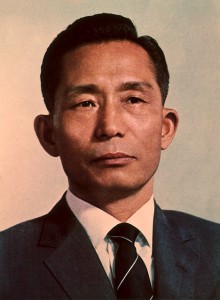
The history of the chaebol is inextricably linked to the "Miracle on the Han River," the period of rapid economic growth that followed the devastation of the Korean War. When the armistice was signed in 1953, South Korea was one of the poorest nations in the world, with a GDP per capita lower than many sub-Saharan African countries. The transformation began in earnest during the 1960s under the military administration of President Park Chung-hee. Park’s strategy was centered on "export-led industrialization," a policy that required the government to hand-pick certain companies to serve as "agents of development."

The Chronology of Chaebol Development
The evolution of these conglomerates can be categorized into four distinct eras, each marked by different government policies and global economic conditions.
In the 1960s, the Park administration provided selected businesses with preferential access to low-interest loans, subsidized utilities, and protection from foreign competition. In exchange, these companies were required to meet strict export quotas. This period saw the rise of firms like Hyundai and Samsung, which initially focused on light industries such as textiles and food processing.
The 1970s marked a pivot toward Heavy and Chemical Industries (HCI). The government directed chaebols to invest in shipbuilding, steel, and petrochemicals. This era solidified the "too big to fail" status of these groups, as the state essentially guaranteed their survival to ensure national economic stability. It was during this time that Hyundai emerged as a global leader in construction and shipbuilding, while LG (then Lucky-Goldstar) expanded its reach in chemicals and electronics.
The 1980s and early 1990s were characterized by global expansion. Chaebols became household names internationally, competing with established Western and Japanese brands. However, this growth was fueled by excessive debt and reckless diversification. By the mid-1990s, some chaebols were involved in dozens of unrelated industries, ranging from semiconductor manufacturing to hotel management and fast food.

The 1997 Asian Financial Crisis served as a catastrophic turning point. The high debt-to-equity ratios of the chaebols made them vulnerable when foreign capital fled the region. The collapse of the Daewoo Group, then the second-largest conglomerate in the country, sent shockwaves through the global economy. In the aftermath, the International Monetary Fund (IMF) mandated rigorous reforms, forcing chaebols to improve transparency, reduce debt, and focus on core competencies. While many smaller chaebols vanished, the survivors emerged more efficient and technologically advanced.
Economic Concentration and Supporting Data
The scale of chaebol dominance in the 21st century is difficult to overstate. Data from the Korea Fair Trade Commission and various economic research institutes indicate that the top ten chaebols account for approximately 80% of South Korea’s Gross Domestic Product (GDP). Samsung Electronics alone has, at various points, accounted for nearly 20% of the nation’s total exports.
This concentration of wealth creates a unique economic environment. For example, the Hyundai Motor Group does not only manufacture vehicles; through its subsidiaries, it manages steel production (Hyundai Steel), logistics (Hyundai Glovis), and financing (Hyundai Capital). Similarly, Lotte Group operates the nation’s largest department store chains, amusement parks, and chemical plants, while also dominating the domestic confectionery and beverage markets.
While this vertical and horizontal integration has allowed for massive economies of scale, it has also created a significant barrier to entry for Small and Medium Enterprises (SMEs). Critics argue that the "chaebol ecosystem" stifles innovation by forcing smaller companies to act as mere subcontractors to the giants, often under unfavorable pricing terms. Furthermore, because the chaebols are so dominant, they are able to attract the nation’s top talent, leaving SMEs and startups struggling to find skilled labor.

The Symbiotic Relationship Between Business and Politics
The proximity between corporate boardrooms and the "Blue House" (the former presidential residence) has been a recurring source of scandal in South Korean politics. Because the government historically directed credit toward the chaebols, a culture of "money-for-influence" developed. This was exemplified in the late 1980s and 1990s by the close ties between the Roh Tae-woo administration and the SK Group. Following a high-profile marriage between the families, SK Telecom was granted licenses that allowed it to become the uncontested leader in the telecommunications market.
More recently, the 2016-2017 political crisis that led to the impeachment of President Park Geun-hye (daughter of Park Chung-hee) centered on allegations that major chaebols, including Samsung, had provided millions of dollars in bribes to a confidante of the president in exchange for government favors. Lee Jae-yong, the de facto head of Samsung, was subsequently convicted and imprisoned, though he later received a presidential pardon—a common occurrence in South Korea that reinforces the perception that the heads of these conglomerates are "above the law."
Social Implications and the Call for Reform
The cultural fascination with chaebols, as seen in K-dramas, is a double-edged sword. On one hand, the "chaebol lifestyle" represents the ultimate aspiration in a highly competitive, status-conscious society. On the other hand, there is growing resentment toward the "spoon class theory" (geumsujeo), which suggests that an individual’s success is determined more by the wealth of their parents than by their own merit.
Professor Robert Kelly of Pusan National University has noted that the chaebols operate as "politics-corrupting, consumer-punishing, reverse-engineering oligopolists." He argues that while they were necessary to jumpstart the economy in the 20th century, their continued dominance may be a hindrance to South Korea’s transition into a truly creative and flexible 21st-century economy. The high prices domestic consumers pay for goods—often higher than the export prices for the same products—is frequently cited as a "chaebol tax" that the Korean public must bear.
Official responses to these concerns have been mixed. Various administrations have promised "economic democratization," a platform aimed at curbing the power of the conglomerates and empowering SMEs. However, implementing these reforms is fraught with risk. Because the chaebols are responsible for such a massive portion of the GDP and employment, any policy that significantly weakens them could lead to national economic instability.
Future Outlook and Global Impact
As South Korea looks toward the future, the chaebol system faces an identity crisis. The current generation of leaders, many of whom were educated at elite Western universities, are attempting to pivot their companies toward high-tech sectors like artificial intelligence, biotechnology, and green energy. Samsung’s massive investment in logic chips and Hyundai’s aggressive push into electric vehicles and robotics are evidence of this shift.
However, the fundamental question remains: can South Korea maintain its global competitiveness without the centralized, family-led structure that defined its past? Some economists suggest that a move toward a "holding company" model, with more independent professional management, is inevitable. Others believe that the "owner risk"—where the legal or personal troubles of a family member can tank a company’s stock price—is a liability that the modern market will no longer tolerate.
The legacy of the chaebol is one of undeniable achievement. They transformed a war-torn agrarian society into a global technological powerhouse in less than three generations. Yet, as the nation matures, the social contract that allowed these giants to thrive at the expense of competition and transparency is being renegotiated. The "poor little rich boy" of K-drama fame may still capture the imagination of audiences worldwide, but in the reality of the Korean peninsula, the era of the untouchable conglomerate is facing its most significant challenge yet. The balance between maintaining economic momentum and ensuring social equity will determine whether the chaebol remains the engine of South Korean growth or becomes a relic of a bygone era of industrialization.
Related News