8 Romantic Korean Dramas About Nobles and Commoners, Featuring the Latest ‘Perfect Crown’
Article Editorial Team
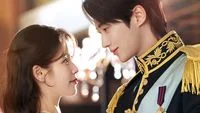
The enduring allure of Korean dramas lies not only in their compelling narratives and high production values but also in their mastery of classic romantic tropes. Among the most popular and consistently revisited themes is the intricate romance between individuals from vastly different social strata: the noble and the commoner. This narrative device inherently generates a wealth of dramatic tension, emotional depth, and opportunities for social commentary, exploring conflicts rooted in duty, societal expectations, and personal desire. From historical palaces to modern-day monarchies and even fantastical parallel universes, these stories captivate audiences by presenting a formidable challenge to love, often forcing protagonists to defy tradition, family, and fate itself. The latest addition to this beloved subgenre, "Perfect Crown," is set to continue this rich tradition, offering a contemporary take on the timeless struggle for love across the class divide. This exploration delves into eight prominent K-dramas that have masterfully woven these intricate tales, examining their unique contributions to the genre, their cultural impact, and the underlying reasons for their widespread appeal.
The Enduring Appeal of Class-Transcending Romance in K-Dramas
The trope of a noble falling for a commoner, or vice-versa, is deeply rooted in universal storytelling, echoing classic fairy tales like Cinderella and numerous historical accounts of forbidden love. In the context of Korean dramas, this narrative gains additional layers of complexity due to Korea’s own rich monarchical history and, more recently, its societal emphasis on hierarchy and status. These dramas often serve as a canvas to explore not just individual romance but also broader themes of social justice, personal freedom, and the dismantling of rigid class structures. Whether set in the elaborate courts of the Joseon Dynasty or a fictional modern constitutional monarchy, the contrast between the privileged existence of royalty or aristocracy and the everyday struggles of a commoner creates a powerful narrative engine. The journey typically involves significant sacrifices, hidden identities, political machinations, and intense emotional growth, making the eventual triumph of love all the more satisfying for viewers.
A Glimpse into Eight Iconic Noble-Commoner Romances
The following dramas showcase the versatility and evolution of this particular narrative trope, demonstrating how it has been adapted across different eras and genres within the K-drama landscape.
1. Princess Hours (Goong) – A Modern Royal Fairy Tale (2006)
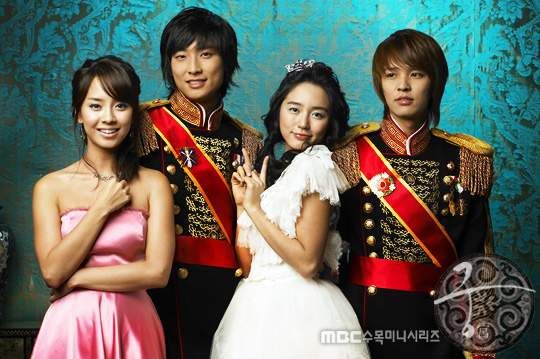
"Princess Hours," known as "Goong" in Korea, is often credited with pioneering the modern "what if Korea still had a monarchy?" subgenre. Released in 2006, this drama introduced audiences to a hypothetical constitutional monarchy in 20th-century Korea, where an ordinary, vivacious high school student, Shin Chae-kyung (played by Yoon Eun-hye), finds her life irrevocably altered. Due to an ancient agreement between their grandfathers, she is forced into an arranged marriage with the stoic and seemingly aloof Crown Prince Lee Shin (Ju Ji-hoon).
The drama masterfully explores the initial friction between the carefree commoner and the duty-bound prince. Chae-kyung, initially overwhelmed by the strict palace etiquette and the coldness of her new husband, slowly begins to adapt, bringing her unique charm and rebellious spirit to the rigid royal household. Lee Shin, burdened by his royal responsibilities and a longing for freedom, gradually finds himself drawn to Chae-kyung’s sincerity and warmth. "Princess Hours" became a cultural phenomenon, achieving high viewership ratings (peaking at 28.3% nationally) and contributing significantly to the second wave of Hallyu. Its blend of romantic comedy, dramatic intrigue, and lavish visuals, coupled with a memorable soundtrack and distinct fashion, solidified its status as a foundational drama in the noble-commoner romance category. The series highlighted the clash between personal happiness and royal duty, resonating with a global audience who appreciated its modern fairy tale premise and the evolving relationship between its leads.
2. The King 2 Hearts – Geopolitical Romance in a Fictional Monarchy (2012)
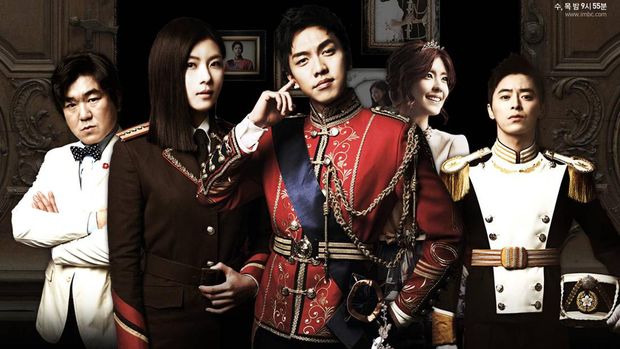
Six years after "Princess Hours," "The King 2 Hearts" (2012) presented a more mature and politically charged narrative within a similar modern Korean monarchy setting. Starring Lee Seung-gi as the initially irresponsible and pleasure-seeking Prince Lee Jae-ha and Ha Ji-won as the formidable North Korean special forces officer Kim Hang-ah, this drama elevates the noble-commoner trope to an international stage. Prince Jae-ha, compelled by his elder brother, the reigning King, to participate in a joint inter-Korean military exercise, finds himself clashing with Hang-ah.
Their initial animosity, fueled by deep-seated nationalistic prejudices and personal differences, gradually transforms into a complex relationship that becomes pivotal for peace between the two Koreas. The arranged marriage between them, initially a diplomatic maneuver, blossoms into genuine affection and mutual respect, challenging their preconceived notions about each other and their respective nations. "The King 2 Hearts" was lauded for its ambitious storytelling, seamlessly blending romance with political thriller elements and exploring themes of leadership, national identity, and the pursuit of peace. The powerful performances of its lead actors, particularly their chemistry and the nuanced portrayal of characters caught between personal desires and national duty, earned critical acclaim. It provided a unique lens through which to examine the sensitive inter-Korean relationship, using a royal romance as a metaphor for reconciliation and unity.
3. The King: Eternal Monarch – Interdimensional Love and Destiny (2020)
"The King: Eternal Monarch," released in 2020, took the noble-commoner romance into the realm of fantasy and science fiction. Written by acclaimed screenwriter Kim Eun-sook and starring Hallyu superstar Lee Min-ho as Emperor Lee Gon of the parallel Kingdom of Corea, the drama introduces a complex narrative involving two distinct worlds. Following the assassination of his father and the opening of a portal between dimensions by his traitorous uncle, Lee Gon dedicates his life to finding the culprit and closing the rift.
His journey leads him to the Republic of Korea, a parallel world where he encounters and falls for detective Jung Tae-eul (Kim Go-eun), whose identity he had unknowingly encountered in a photograph from his childhood. The romance between the powerful emperor and the pragmatic detective is challenged by the complexities of time travel, parallel universes, and a looming threat that endangers both worlds. The drama’s high production values, intricate plot, and the magnetic chemistry between Lee Min-ho and Kim Go-eun generated significant global buzz, particularly among international fans. Despite mixed critical reception regarding its intricate plot, "The King: Eternal Monarch" was praised for its ambitious world-building and its exploration of destiny, fate, and the sacrifices made for love across unimaginable boundaries, showcasing a modern, fantastical evolution of the noble-commoner narrative.
4. Love in the Moonlight (Moonlight Drawn by Clouds) – Joseon Era Secret Romance (2016)
Returning to the historical setting, "Love in the Moonlight," also known as "Moonlight Drawn by Clouds," captivated audiences in 2016 with its charming and poignant tale set during the Joseon Dynasty. The drama stars Park Bo-gum as the intelligent and charismatic Crown Prince Lee Yeong and Kim Yoo-jung as Hong Ra-on, a street-smart young woman who, due to circumstances, lives disguised as a male eunuch.
Ra-on’s entry into the palace as a royal eunuch leads her into frequent, often humorous, interactions with the Crown Prince, who remains oblivious to her true gender and noble identity. Their relationship develops from playful banter and mutual respect into a deep, forbidden love, complicated by court politics, power struggles, and the constant threat of their secret being exposed. The drama excelled in its vibrant portrayal of Joseon palace life, its beautiful cinematography, and the stellar performances of its young lead actors, who perfectly conveyed the innocence and intensity of first love. "Love in the Moonlight" achieved significant commercial success, with peak ratings exceeding 23%, and was lauded for its fresh take on the sageuk genre, blending historical drama with youthful romance and lighthearted comedy. It effectively showcased the constraints of class and gender in a historical context, making the burgeoning romance between the prince and the disguised commoner all the more compelling.
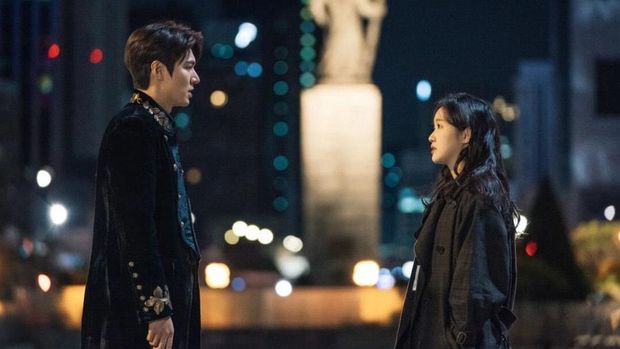
5. 100 Days My Prince – Amnesia and Rural Life (2018)
"100 Days My Prince," a 2018 historical romantic comedy, offers a unique twist on the noble-commoner dynamic by stripping the prince of his identity and immersing him completely in common life. EXO’s D.O. (Do Kyung-soo) stars as Crown Prince Lee Yul, a perfectionist and somewhat aloof royal who suffers an assassination attempt. During his escape, he falls and loses his memory, subsequently living as a commoner named Won-deuk.
His amnesia-induced vulnerability leads him to a rural village, where, due to a royal decree he himself had issued (mandating marriage for all bachelors and spinsters to alleviate drought), he is forced into a contract marriage with Hong-shim (Nam Ji-hyun), the oldest unmarried woman in the village. For 100 days, the prince, stripped of his power and memory, experiences the hardships and simple joys of common life, learning invaluable lessons about love, empathy, and the struggles of his people. The drama’s charm lies in its comedic situations arising from the prince’s adjustment to commoner life, juxtaposed with the poignant development of his relationship with Hong-shim. It garnered strong viewership (peaking at 14.4%) and critical acclaim for its engaging plot, character development, and D.O.’s impressive acting debut as a leading man. "100 Days My Prince" subtly critiques the disconnect between the ruling class and the common populace, suggesting that true understanding and love can only blossom through shared experience.
6. The Red Sleeve – A True Historical Tragedy (2021)
"The Red Sleeve," released in late 2021, distinguished itself by being based on the real-life love story between King Jeongjo (Yi San, played by Lee Junho) and Royal Noble Consort Seong Ui-bin (Sung Deok-im, played by Lee Se-young). Set in the latter half of the Joseon Dynasty, this drama is celebrated for its historical accuracy, emotional depth, and nuanced portrayal of a tragic romance.
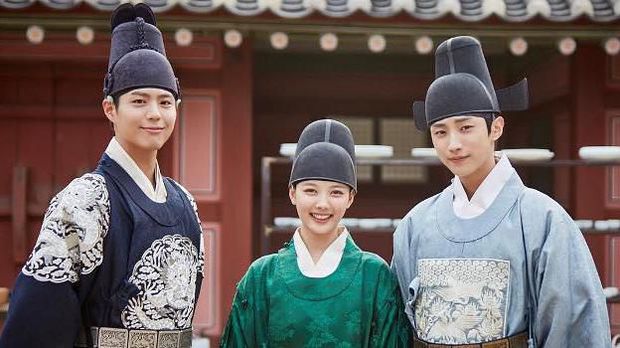
The narrative centers on Sung Deok-im, a spirited and intelligent court lady who values her freedom above all else. She captures the attention of the Crown Prince Yi San, who eventually becomes King Jeongjo. Despite their mutual affection, Deok-im repeatedly rejects his offers to become his royal concubine, understanding that such a position would strip her of her autonomy and subject her to the confines of royal life. Her steadfast desire for freedom, even in the face of the King’s undeniable love, creates a powerful and heart-wrenching conflict. "The Red Sleeve" was a critical and commercial success, achieving consistently high ratings (reaching 17.4% for its finale) and sweeping numerous awards. It was praised for its exquisite cinematography, powerful performances, and its sensitive exploration of female agency within a patriarchal historical context. The drama offers a more mature and somber perspective on the noble-commoner romance, highlighting the inherent power imbalances and the personal sacrifices demanded by such a relationship, even when love is true.
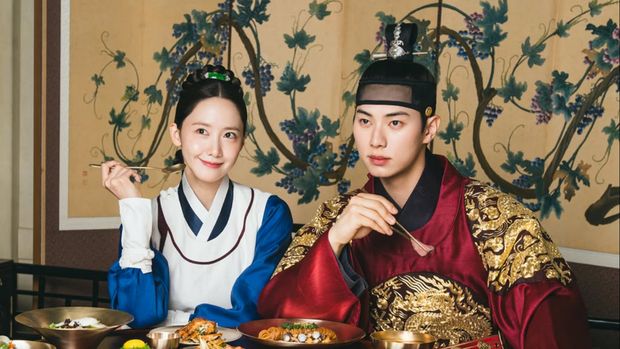
7. Bon Appetit, Your Majesty – Culinary Romance Across Time (Upcoming, 2025)
"Bon Appetit, Your Majesty" presents an innovative fusion of historical and modern elements, with a culinary twist. While specific details remain under wraps, the premise introduces Yeon Ji-young (Lim Yoona), a contemporary French chef, who is unexpectedly transported back to the Joseon era. There, she encounters King Yi Heon (Lee Chae-min), a tyrannical monarch known for his extremely perfectionist standards, particularly when it comes to food.
Ji-young, leveraging her modern culinary skills, becomes the King’s personal chef. Her journey involves not only navigating the treacherous intrigues of the Joseon court but also using her unique fusion cuisine to soften the heart of the formidable King. This drama promises a delightful blend of historical drama, romantic comedy, and gastronomic exploration. The "fish out of water" trope combined with the inherent power dynamic between a monarch and a commoner (albeit one with a unique skill set) offers fresh avenues for conflict and character development. It explores how cultural differences and personal passions can bridge social divides, offering a lighter, yet still engaging, take on the noble-commoner romance, with food serving as a metaphor for connection and understanding. The anticipated release in 2025 suggests a continued evolution in how this classic trope is reimagined for contemporary audiences.
8. Perfect Crown – Modern Ambition and Contractual Love (Upcoming, 2026)
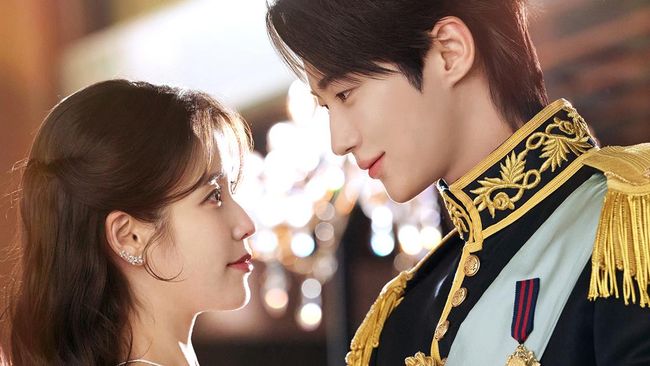
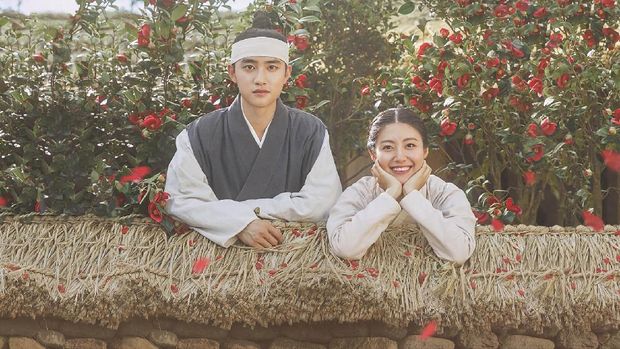
Slated for release in April 2026, "Perfect Crown" is the latest anticipated entry in the modern noble-commoner romance genre, set in a fictional contemporary Korea that maintains a monarchical system. The drama features Seong Hee-joo (IU), a savvy heiress from a powerful conglomerate family, who seeks to elevate her social standing by entering into a contract marriage with an estranged prince, Lee Ahn (Byeon Woo Seok). Prince Lee Ahn, in turn, desires to escape the suffocating constraints of palace life.
This premise immediately establishes a transactional relationship, where both parties enter the marriage for strategic personal gain rather than love. However, as is characteristic of this trope, their initially cold, pragmatic alliance is expected to gradually evolve into genuine affection amidst the backdrop of fierce power struggles within the royal family. The casting of highly popular actors IU and Byeon Woo Seok, both known for their strong performances and significant fan bases, has already generated considerable excitement. "Perfect Crown" is poised to explore themes of ambition, class mobility, the facade of power, and the unexpected emergence of true feelings within a calculated arrangement. It represents the ongoing adaptation of the noble-commoner romance to reflect contemporary societal concerns about wealth, status, and personal fulfillment in a modern world, even with a royal backdrop.
Broader Implications and Cultural Impact
The consistent popularity of noble-commoner romance in K-dramas highlights several key aspects of their appeal and impact. Firstly, these narratives tap into universal desires for wish fulfillment – the fantasy of transcending one’s social standing through love, or of finding a genuine connection despite immense privilege. They offer a temporary escape into worlds where grand gestures and overcoming formidable obstacles are commonplace.
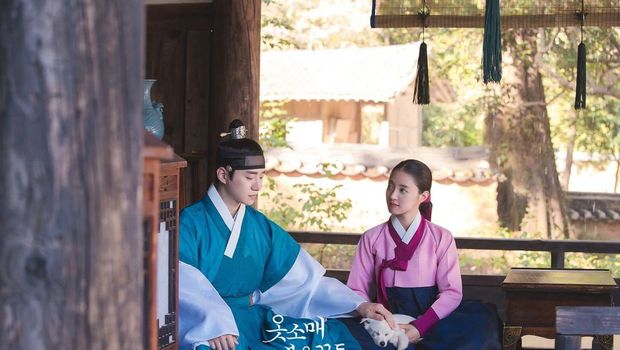
Secondly, these dramas often serve as a vehicle for subtle social commentary. While overtly romantic, they frequently critique rigid class structures, expose the loneliness of power, and celebrate the intrinsic value of an individual regardless of their birthright. Historical dramas, in particular, shed light on the societal norms and political intrigues of past eras, while modern settings explore how traditional hierarchies might persist or be reinterpreted in contemporary society. The theme of duty versus personal happiness is a recurring motif, resonating with audiences who grapple with similar pressures in their own lives.
The global reach of Hallyu has further amplified the impact of these dramas. International viewers, regardless of their own cultural backgrounds, connect with the emotional universality of love overcoming adversity. The high production values, compelling soundtracks, and charismatic performances by leading actors and actresses like Ju Ji-hoon, Yoon Eun-hye, Lee Seung-gi, Ha Ji-won, Lee Min-ho, Kim Go-eun, Park Bo-gum, Kim Yoo-jung, D.O., Nam Ji-hyun, Lee Junho, Lee Se-young, Lim Yoona, Lee Chae-min, IU, and Byeon Woo Seok contribute significantly to their global appeal, transforming these stories into cultural touchstones.
Producers and writers continue to innovate within this genre, recognizing its evergreen potential. From historical sagas focusing on documented royal romances to fantastical journeys across dimensions and modern tales of strategic alliances, the core appeal remains the same: the belief that love can conquer all, even the deepest societal divides. These dramas consistently demonstrate the resilience of the human heart and the enduring power of connection against all odds.
Conclusion
The narrative of a noble and a commoner falling in love remains a cornerstone of Korean drama, captivating audiences with its potent mix of romance, conflict, and social commentary. From the pioneering days of "Princess Hours" to the anticipated release of "Perfect Crown," these stories continuously evolve, adapting to new settings and incorporating fresh perspectives while retaining their fundamental appeal. They explore the complexities of duty, freedom, identity, and the universal quest for a love that defies boundaries. As K-dramas continue to dominate the global entertainment landscape, the noble-commoner romance stands as a testament to the genre’s ability to blend timeless tropes with innovative storytelling, ensuring its enduring legacy and continued resonance with audiences worldwide.
Related News