CORTIS’s Keonho Accused Of Lying About His Nationality As “Proof” And “Surgery Scars” Go Viral
Article Editorial Team
The K-pop industry, known for its meticulous attention to idol backgrounds and visual perfection, is currently grappling with a burgeoning controversy involving Keonho, the youngest member of the rising boy group CORTIS. On April 15, 2026, allegations surfaced on the prominent South Korean online community Pann, suggesting that the idol may have misrepresented his nationality and undergone extensive cosmetic procedures to align with traditional Korean beauty standards. These claims, supported by what netizens describe as "photographic evidence," have sparked a heated debate across social media platforms, casting a shadow over the group’s recent promotional activities.
Keonho, who serves as the visual center and "maknae" (youngest member) of CORTIS, has been a focal point of public interest since before the group’s official debut. His striking features and stage presence earned him a dedicated following almost immediately. However, the viral post on Pann has shifted the narrative from his talent and aesthetics to questions regarding his heritage and physical transformation. The anonymous poster shared an alleged "pre-debut" photograph of the idol, claiming that his original appearance differs significantly from his current look and suggests a Southeast Asian (SEA) background rather than the Korean nationality currently listed in his official profile.
Details of the Viral Allegations
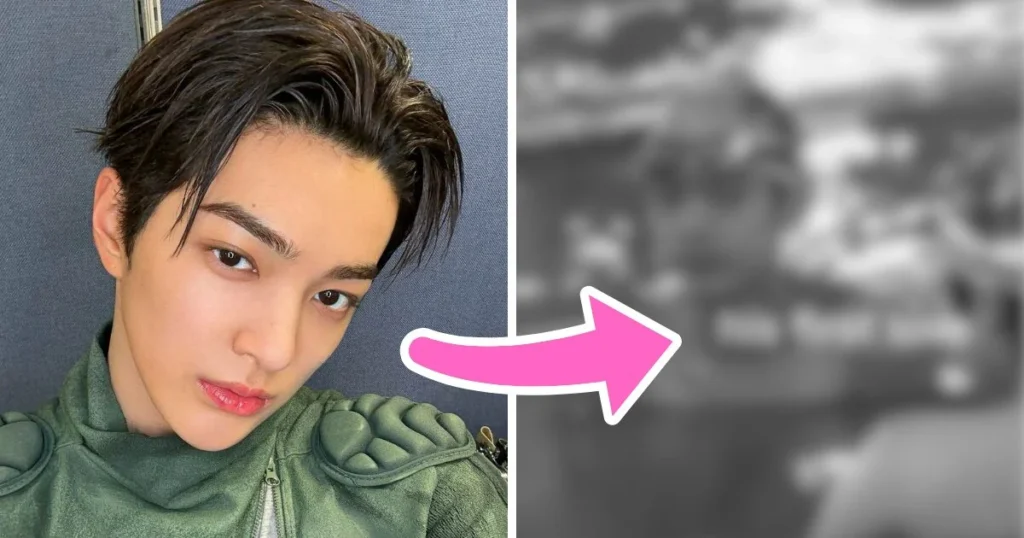
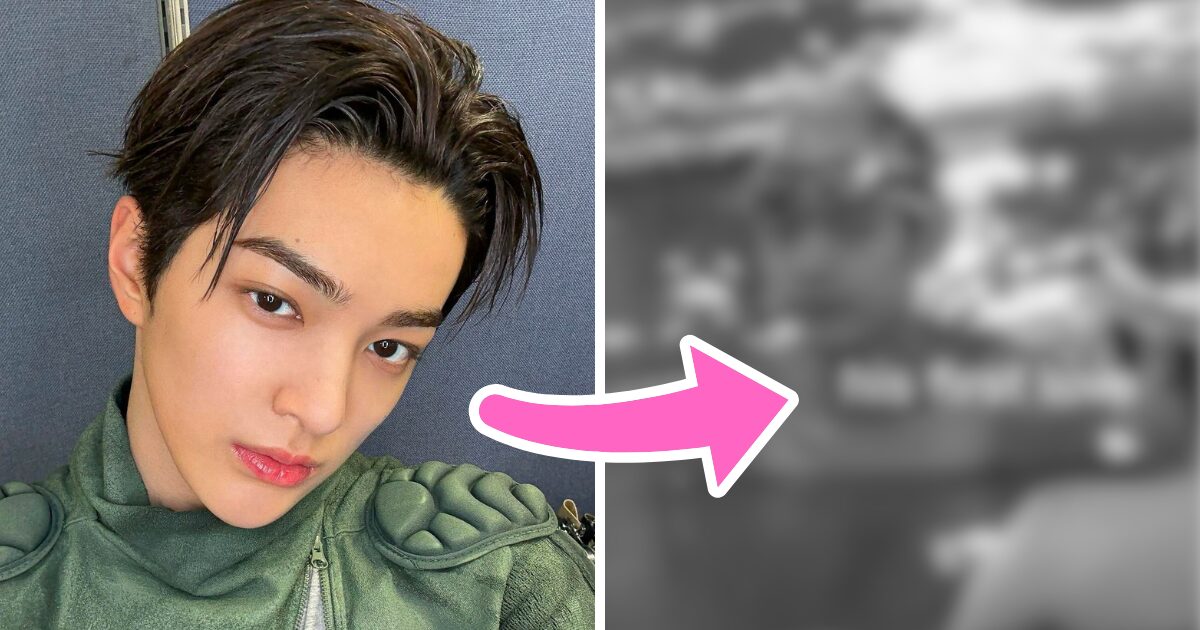
The controversy began when a user on Pann uploaded a series of images titled "The Truth About CORTIS’s Keonho." The post included a low-resolution photograph of a teenager who bears a resemblance to Keonho but possesses features that the poster described as having "total SEA vibes." This term, often used in Korean online spaces to denote features typical of Southeast Asian ethnicities, was used by the accuser to suggest that Keonho might be faking his Korean heritage to appeal to a domestic audience.
In addition to the nationality claims, the post highlighted several close-up shots of Keonho’s face from recent public appearances and high-definition fansite photos. The accuser pointed to faint lines around his ears and nostrils, alleging they are "surgery scars" from invasive cosmetic procedures, such as a rhinoplasty or a jawline contouring surgery. These "proofs" were quickly circulated across other platforms, including X (formerly Twitter) and various international K-pop forums, leading to a polarized reaction among fans and the general public.
The original post on Pann stated, "There’ll probably be an exposé soon claiming [Keonho] faked his nationality. They’re saying this is an old photo of CORTIS’s Keonho. So he really was giving total SEA vibes." This statement implies that further information might be released by individuals claiming to be former acquaintances or schoolmates of the idol.
Background Context: Keonho and CORTIS
CORTIS emerged as a highly anticipated group under their management agency, gaining traction for their "all-visual" lineup. Keonho, in particular, was marketed as the group’s "visual ace." His popularity surged weeks before the group’s debut, with his teaser photos frequently appearing on the "trending" sections of various Korean portals. In the K-pop ecosystem, the role of a visual center is critical; these members often serve as the "face of the group" and are expected to embody the aesthetic ideals of the domestic market.
The scrutiny of Keonho’s background is not an isolated incident in the industry. Historically, K-pop idols have faced intense pressure regarding their ethnic origins and physical appearances. In a market that increasingly values global diversity, the presence of non-Korean members is common. However, the core of the current controversy lies in the accusation of "lying" or "faking" an identity. If an idol is marketed as ethnically Korean but is later revealed to have a different heritage, it can lead to accusations of "identity laundering" among more conservative segments of the domestic fanbase.

The Role of Plastic Surgery Discourse in K-pop
The allegations regarding "surgery scars" touch upon a long-standing paradox in the South Korean entertainment industry. While South Korea is globally recognized for its advanced medical aesthetics industry, and many idols are known to undergo minor "touch-ups," the admission of extensive surgery remains a sensitive topic. For a "natural visual" like Keonho, whose marketing relied heavily on his inherent good looks, the suggestion of major surgical intervention can be damaging to his brand image.
Netizens on Pann have been meticulous in their analysis, comparing his current nose shape and eye fold to the alleged past photo. Some commentators argue that the changes are too drastic to be attributed to puberty or professional makeup alone. Conversely, supporters of the idol have pointed out that lighting, angles, and the natural maturation process can significantly alter a person’s appearance between their early teens and their twenties.
Timeline of the Controversy
The progression of the Keonho controversy follows a familiar pattern seen in previous K-pop "cancel culture" instances:
- Pre-Debut Hype (March 2026): Keonho is introduced as a member of CORTIS. His visuals become a hot topic on Korean forums.
- Initial Rumors (Early April 2026): Minor comments appear on anonymous boards questioning his "unreal" looks.
- The Pann Post (April 15, 2026): The definitive "exposé" post is uploaded, featuring the alleged old photo and "surgery scar" evidence.
- Viral Spread (April 15, 2026, 13:00 KST): Within hours, the post reaches hundreds of thousands of views and is picked up by international news outlets like Koreaboo.
- Community Polarization (Present): Fans begin a "protection" campaign on social media, while critics demand a statement from the group’s agency.
Public and Fan Reaction
The reaction to the allegations has been deeply divided. On one hand, a segment of the Korean public expressed disappointment, focusing on the potential lack of transparency regarding his nationality. "If he is Southeast Asian, there is no problem with that. The problem is if the agency lied and said he was 100% Korean to avoid prejudice," one top comment on the Pann post read.

On the other hand, Keonho’s international and domestic fanbases have rallied to his defense. Many fans have criticized the "SEA vibes" comment as being tinged with xenophobia, arguing that using a specific ethnicity as a "gotcha" moment is discriminatory. Supporters have also debunked the "surgery scar" claims by providing high-resolution photos of other idols with similar natural skin folds, arguing that makeup and sweat can often create the illusion of scars under harsh stage lighting.
The hashtag #ProtectKeonho began trending on X shortly after the Pann post went viral. Fans are calling for the agency to take legal action against those spreading "malicious rumors" and "defamation."
Official Response and Potential Implications
As of the latest reports, CORTIS’s management agency has not issued a formal statement regarding the specific claims of nationality falsification or plastic surgery. Typically, K-pop agencies wait to see if a controversy gains enough traction to affect commercial interests before issuing a rebuttal. If the agency chooses to respond, they may provide legal documentation of Keonho’s birth and heritage or threaten legal action against the original poster for spreading false information.
The implications of this controversy for CORTIS are significant. As a new group, their reputation is their most valuable asset. If the allegations are proven false, the group may gain "sympathy points" from the public for being victims of a malicious smear campaign. However, if the agency remains silent or if more compelling evidence surfaces, it could hinder the group’s growth and lead to a loss of domestic endorsements, which often require a "clean" and "relatable" image.

Analysis of the K-pop Identity Crisis
This incident highlights the ongoing tension in K-pop between the desire for global expansion and the pressures of domestic traditionalism. The "Southeast Asian" label is sometimes weaponized in Korean online spaces to imply that an individual is "lesser" or "less refined" than the East Asian ideal—a sentiment that the industry has been working to overcome through the successful debut of idols from Thailand, Vietnam, and the Philippines.
Furthermore, the obsession with "detecting" plastic surgery reflects the high stakes of the visual economy in Seoul. For Keonho, the youngest member, these accusations are particularly poignant as they target his core identity and his primary contribution to the group’s branding. Whether these claims are the result of genuine discovery or a coordinated effort by "anti-fans" to destabilize a rising group remains to be seen.
In the coming days, the focus will likely remain on whether "Step 2" of the promised exposé occurs. If former classmates or teachers come forward with yearbook photos or citizenship records, the situation could escalate into a major industry scandal. Until then, Keonho and CORTIS continue their scheduled activities, albeit under a microscope of public scrutiny that has become an all-too-common rite of passage for modern K-pop stars.
Related News