Inside the Secret World of Sasaeng Culture: An In-Depth Look at the Corporate Efficiency Behind K-Pop Stalker Groups
Article Editorial Team
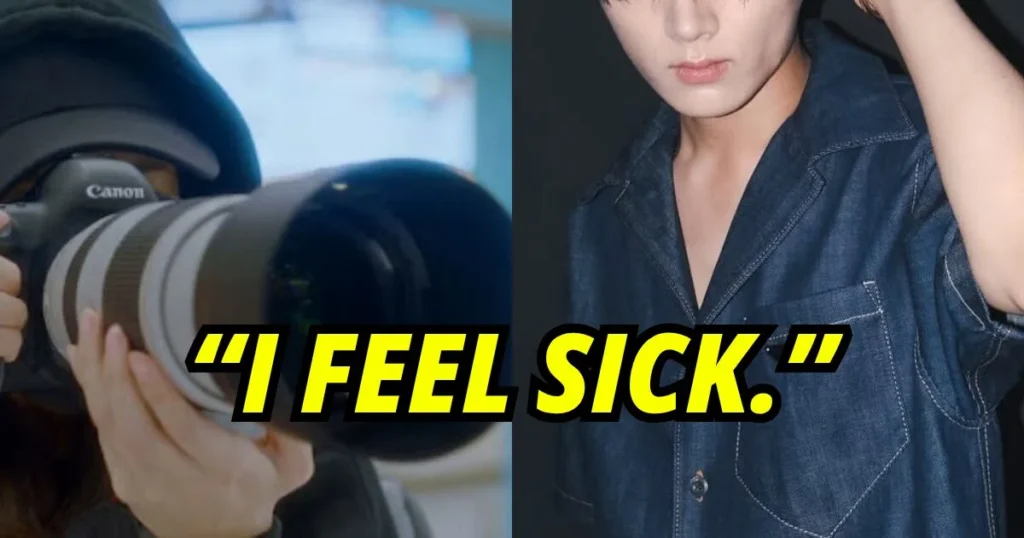
The global expansion of the South Korean music industry, commonly known as K-pop, has brought unprecedented success to its stars, but it has also intensified a long-standing shadow industry: the culture of "sasaeng" fans. Derived from the Korean words "sasaenghwal" (private life), these individuals go beyond the boundaries of traditional fandom, engaging in stalking, privacy invasion, and harassment. While sasaeng behavior has historically been viewed as the erratic actions of obsessed individuals, a recent exposé by an international fan has revealed a chilling reality: these groups have evolved into highly organized, corporate-like entities with sophisticated hierarchies, fundraising mechanisms, and logistics that rival legitimate businesses.
The Anatomy of an Organized Sasaeng Network
The revelation came to light following a viral post on the social media platform Reddit, where a fan detailed her inadvertent infiltration of a Chinese-based sasaeng group dedicated to Jay, a member of the popular boy group ENHYPEN. The account provides a rare, granular look at the internal mechanics of these clandestine organizations. According to the whistleblower, the group did not function as a casual chat room for admirers but rather as a "corporation" with a strict chain of command.

At the top of the hierarchy are four to five "leaders" who manage the group’s strategic direction. These leaders oversee regional sub-groups in major cities, ensuring a wide geographical net is cast to track the idol’s movements. The primary objective of these groups is the acquisition of non-public information, including flight numbers, hotel room details, and private schedules. To obtain this data, the group engages in constant fundraising, pooling money from members to purchase information from black-market brokers—often corrupt employees within airlines, travel agencies, or credit card companies.
The Mechanics of "Camping" and Information Trafficking
One of the most disturbing aspects revealed in the report is the practice of "camping." This involves deploying a group member to a specific location—such as a dorm, airport, or hotel—to maintain a 24-hour vigil. The group’s funds are used to pay for the travel and lodging of these "campers," ensuring that the idol is under constant surveillance.
This level of organization transforms stalking from an individual impulse into a collective operation. By sharing the financial burden, sasaeng groups can afford high-value information that would be too expensive for a single person to acquire. In the dark corners of the internet, particularly on platforms like X (formerly Twitter) and Telegram, "data sellers" offer sensitive information for prices ranging from $10 for a flight number to hundreds of dollars for a member’s private phone number or home address.

The Business Model: Market Manipulation and Scalping
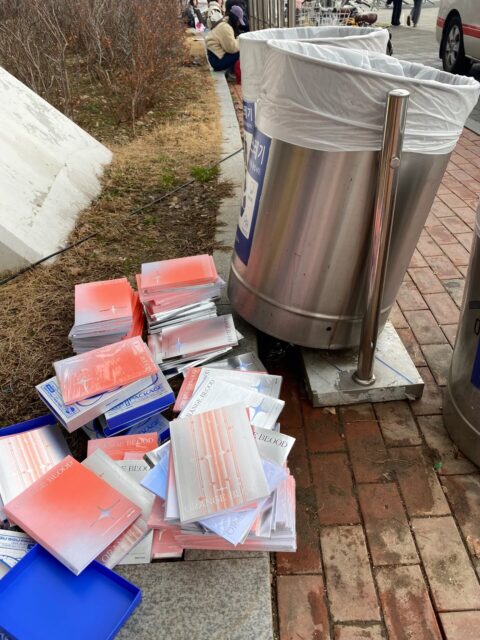
Beyond simple stalking, these groups have integrated themselves into the commercial ecosystem of K-pop to gain proximity to idols. During ENHYPEN’s comeback periods, the sasaeng group allegedly functioned as a coordinated purchasing unit. Leaders set quotas for album purchases, which served a dual purpose: supporting the idol’s commercial success and, more importantly, manipulating the odds for fansign events.
In the K-pop industry, "fansigns" (events where fans meet idols and get albums signed) are often lottery-based, with entry tied to the number of albums purchased. By bulk-buying thousands of albums through a centralized fund, sasaeng groups can ensure their members occupy the majority of slots at these exclusive events. Furthermore, the whistleblower noted that these groups engage in ticket scalping. By using bot technology and collective manpower to secure concert tickets, they can resell them at exorbitant prices to other fans or use them to ensure their own members are always in the front row, further blurring the line between fan support and predatory behavior.
The Dehumanization of the Idol
Perhaps the most insightful part of the exposé is the psychological analysis of how these groups justify their actions. The whistleblower observed that for the organization to function efficiently, the idol must be stripped of their humanity. In the eyes of the group, Jay was not viewed as a human being with a right to privacy, but as a "resource" or an "asset."

"The idol-as-human is messy. The idol-as-resource is perfectly efficient," the post noted. By viewing the idol as a product they have "invested" in, sasaeng fans feel entitled to every aspect of the idol’s life. This "resource-based" mindset removes the moral friction that would typically prevent a person from stalking another human being. Once the idol is commodified, boundaries are viewed as obstacles to be overcome rather than limits to be respected.
Chronology of the Exposé and Community Reaction
The timeline of this discovery began when the fan moved to China, where the proximity to local fan networks allowed her to enter a higher tier of the fandom. After joining a chat dedicated to ENHYPEN’s Jay, she spent months observing the group’s operations before being removed, likely due to her lack of active participation in the group’s more invasive activities.
The post, shared on April 16, 2026, quickly went viral across the K-pop community, garnering thousands of shares and comments. The reaction from "ENGENEs" (ENHYPEN’s official fandom) was a mix of horror and heartbreak. Many pointed out the irony that Jay is known for being one of the most communicative and emotionally vulnerable members of the group, frequently sharing his thoughts and fears with fans on platforms like Weverse.
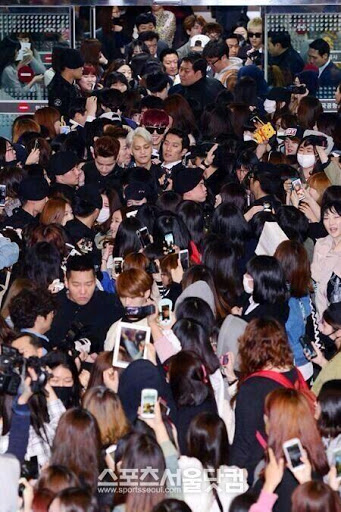
"This being about Jay specifically makes me so scared," one fan wrote on X. "He is the person who has shared his feelings and pains with us the most. How can they not see the Jay we see?" Others noted that this behavior is likely mirrored across every major K-pop group, suggesting that the "corporate" model of stalking is the new industry standard for sasaengs.
Official Responses and Legal Challenges
While Belift Lab (the agency representing ENHYPEN) and its parent company, HYBE, have not commented on this specific Reddit post, the agency has historically taken a firm stance against sasaeng behavior. In recent years, HYBE has implemented a "blacklist" system, where fans caught engaging in unauthorized activities are banned from attending future events and have their fan club memberships revoked.
However, legal enforcement remains a significant challenge, particularly when groups operate across international borders. While South Korea passed the "Stalking Punishment Act" in 2021, which increased penalties for stalking to up to five years in prison, applying these laws to overseas fans in China or other regions is legally complex. Furthermore, the anonymous nature of encrypted chat rooms makes it difficult for agencies to identify the ringleaders of these "corporate" stalking groups.
Broader Impact and Industry Implications
The professionalization of sasaeng culture poses a direct threat to the mental and physical well-being of K-pop idols. The constant surveillance and the knowledge that their private information is being traded like a commodity can lead to severe anxiety, paranoia, and burnout. For the industry at large, it creates a security nightmare, requiring agencies to spend millions on private security teams and advanced cybersecurity to protect their artists.
Moreover, the revelation of these groups’ album-buying tactics raises questions about the integrity of K-pop chart data. If a significant portion of "bulk buying" is driven by organized stalking groups looking to manipulate fansign entries, it complicates the narrative of organic growth and fan support.
In conclusion, the transition of sasaeng culture from individual obsession to a "perfectly efficient" corporate model marks a dangerous evolution in the K-pop phenomenon. As these groups become more organized and financially capable, the industry must find new ways to protect its artists. The Reddit exposé serves as a stark reminder that behind the polished image of K-pop lies a dark economy built on the systematic dehumanization of the very people the fans claim to love. The challenge for agencies, platforms, and legitimate fans moving forward will be to dismantle these networks and re-establish the boundaries that allow idols to live as humans, not just resources.
Related News