BTS’s J-Hope Mourns The Passing Of His Grandmother
Article Editorial Team
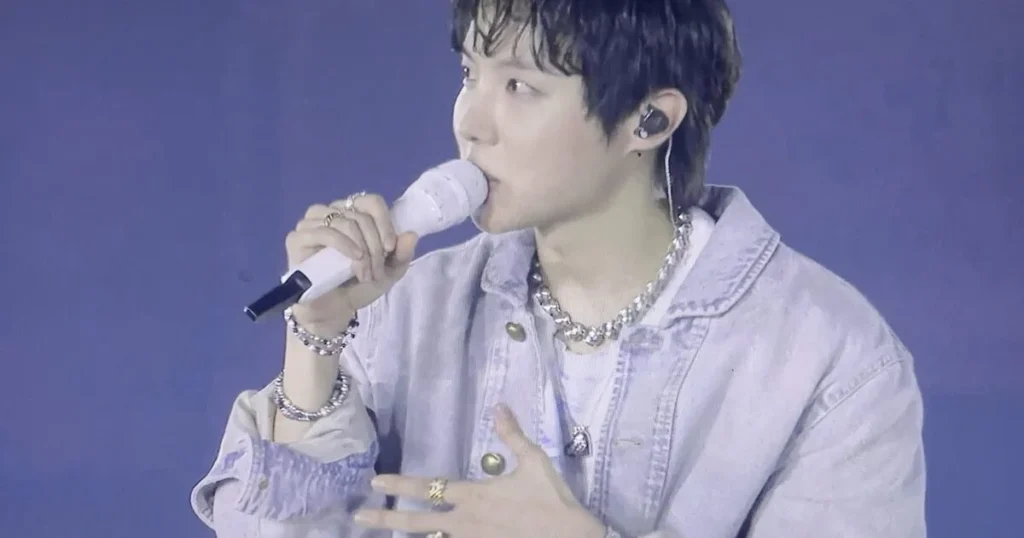
The timing of the news added a layer of poignancy to the event. J-Hope disclosed that he received the notification of his grandmother’s passing almost immediately upon landing in Japan for the Tokyo leg of the tour. For an artist of his stature, the transition from receiving such devastating personal news to performing on one of the world’s most demanding stages is a testament to the complex pressures faced by modern idols. The Tokyo Dome, with a capacity of 55,000, represents a pinnacle of success in the Asian music market, and J-Hope’s decision to honor his commitment to the fans while mourning highlights the often-invisible sacrifices made by performers at this level.
Chronology of the Announcement and Performance
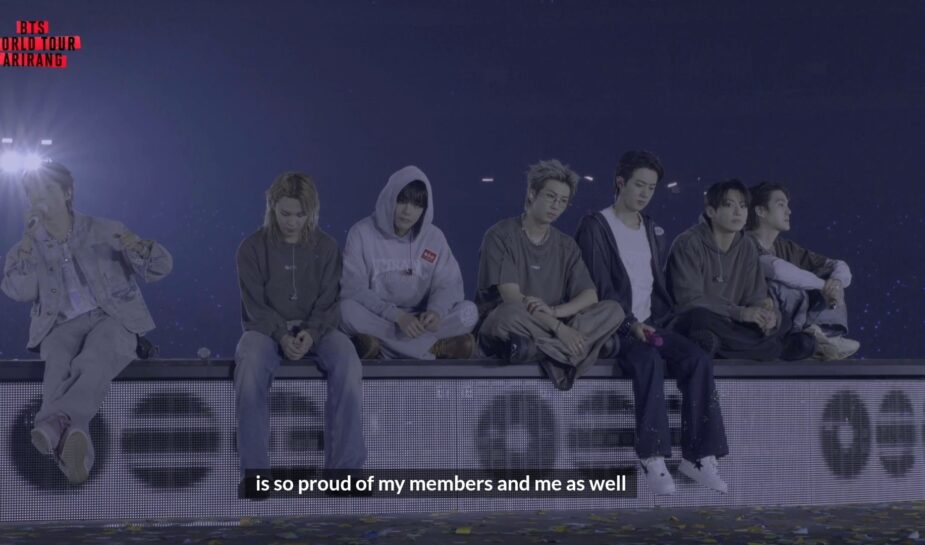
The sequence of events began as BTS arrived at Narita International Airport in mid-April to prepare for their highly anticipated "ARIRANG" tour dates. According to J-Hope’s address to the crowd, the news reached him shortly after his arrival on Japanese soil. Rather than withdrawing from the immediate schedule, J-Hope relied on the support of his fellow bandmates—RM, Jin, Suga, Jimin, V, and Jungkook—to process the initial shock.

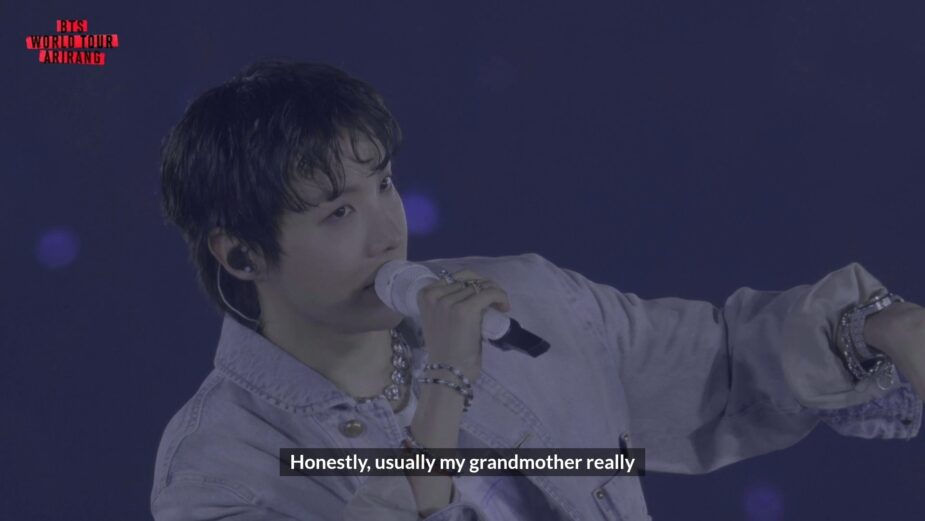
During the concert on April 17, the atmosphere remained high-energy throughout the setlist, which featured the group’s signature blend of intricate choreography and vocal prowess. However, as is tradition in BTS concerts, the "ending ment"—a segment where each member addresses the audience directly—provided the platform for J-Hope to share his personal burden. Speaking with a voice heavy with emotion, he explained the situation to the audience, noting that he felt it was important to be honest about his current state of mind.
He shared that his grandmother had been a cornerstone of his life and that her influence was a primary reason for his success today. The rapper and dancer noted that while the news was difficult to bear, he felt a sense of peace knowing that she was "watching over" the group from a higher vantage point. He expressed a belief that she would be proud to see him performing at the Tokyo Dome, a venue that symbolizes the global reach of the family name she helped nurture.
The Significance of the Grandmother in the Jung Family
To understand the weight of this loss, one must look at the family history of the Jung siblings. J-Hope and his older sister, Jung Jiwoo—a successful fashion influencer and businesswoman—have frequently spoken about their upbringing in Gwangju, South Korea. In various interviews, variety show appearances, and social media posts over the years, both siblings have credited their grandmother for playing a vital role in their childhood.

In Korean society, the maternal grandmother (oe-halmeoni) often serves as a primary caregiver, particularly in families where parents are working to provide for their children’s education and extracurricular pursuits. For J-Hope, who moved to Seoul as a teenager to pursue a career in dance and music, the stability provided by his grandmother during his formative years in Gwangju was foundational. Fans have often pointed to stories shared by Jung Jiwoo regarding their visits to their grandmother’s home, highlighting a bond that remained strong despite the siblings’ eventual move to the capital and J-Hope’s subsequent global fame.
This loss is not just a personal one for the artist but a significant moment for the family unit. The Jung siblings have often been praised for their grounded nature and strong work ethic, traits that they have publicly attributed to the traditional values instilled in them by their elders.
The Support System: BTS and the "ARIRANG" Tour
The "ARIRANG" world tour, occurring in 2026, marks a significant era for BTS, representing their continued dominance in the music industry following their return to full-group activities. Performing under such circumstances requires immense mental fortitude. J-Hope specifically highlighted the role of his fellow members in helping him navigate the immediate aftermath of the news. He mentioned that being with the other six members made the grief "easier to process," reinforcing the narrative of BTS as a brotherhood that extends far beyond professional collaboration.

Historically, BTS members have supported one another through similar losses. In 2016, member V (Kim Taehyung) famously shared the news of his grandmother’s passing during a concert at the Gocheok Sky Dome, and Jin (Kim Seokjin) faced a similar loss in 2018. In each instance, the group has utilized their platform to normalize the grieving process, showing fans that even global superstars are not immune to the fundamental pains of the human experience. This transparency has fostered a unique parasocial relationship where the fandom views the members as kin, leading to a massive outpouring of support.
Global Reactions and Fan Tributes
The reaction from the global community was instantaneous. Within minutes of the announcement at the Tokyo Dome, social media platforms were flooded with messages of condolence. The hashtag #WeLoveYouHoseok and phrases like "Rest in Peace" trended globally on X (formerly Twitter), as fans from different time zones woke up to the news.
The ARMY fandom is known for its organized response to such events. In the past, fans have organized charitable donations in the names of members’ family members to honor their memory. Following the news of J-Hope’s grandmother, several fanbases initiated "quiet projects," encouraging attendees at the second night of the Tokyo Dome concert to show their support through specific lightstick colors or moments of silence. This collective mourning illustrates the impact of K-pop’s global reach, where a personal loss in Gwangju or Tokyo resonates in New York, London, and Sao Paulo.

Professional Implications and the "Show Must Go On" Culture
J-Hope’s decision to perform despite his grief brings to light the rigorous expectations of the K-pop industry. The "show must go on" mentality is deeply ingrained in the training of idols, who are taught to prioritize the fan experience and the success of the collective group. However, in recent years, there has been a noticeable shift toward prioritizing mental health and allowing artists the space to grieve publicly.
Industry analysts suggest that J-Hope’s choice to share his news on stage is a reflection of this evolving landscape. By being open about his sorrow, he avoids the speculation that often follows when an artist appears "off" or less energetic during a performance. Furthermore, it allows the audience to participate in a collective moment of empathy, which can be cathartic for both the performer and the fans.
From a logistical standpoint, a tour of the scale of "ARIRANG" involves hundreds of staff members and millions of dollars in ticket sales and sponsorships. Postponing or canceling a date at the Tokyo Dome is a last-resort measure. J-Hope’s ability to deliver a world-class performance while carrying such a heavy emotional load is being cited by critics as a hallmark of his professionalism and his dedication to his craft.
Broader Cultural Context of Grief in Korea
In South Korean culture, the mourning period for a grandparent is a significant time for family reflection. While modern schedules often truncate traditional multi-day funeral rites, the respect shown to ancestors remains a core pillar of societal ethics. For J-Hope to be away from his family during this time—performing in a foreign country—undoubtedly adds a layer of cultural conflict.
However, his statement that his grandmother would be "proud" of him suggests a reconciliation of these feelings. In many East Asian traditions, achieving great success and bringing honor to the family name is considered one of the highest forms of filial piety. By performing at the Tokyo Dome, J-Hope is, in a sense, fulfilling the legacy of the woman who helped raise him.
Conclusion and Legacy
As the "ARIRANG" tour continues, the memory of J-Hope’s grandmother will likely remain a quiet theme throughout the remaining dates. J-Hope has always been an artist who wears his heart on his sleeve, from the exuberant "Hope World" persona to the darker, more introspective themes found in his solo album Jack in the Box. This recent tragedy adds another chapter to his narrative—one of resilience, familial love, and the bittersweet nature of achieving one’s dreams while losing those who helped make them possible.
The passing of the matriarch of the Jung family marks the end of an era for J-Hope and his sister, but the values she instilled in them continue to be broadcast to millions through their work. As J-Hope continues to navigate his path as a global icon, the support of his members and the ARMY will undoubtedly serve as a crucial pillar of strength. For now, the music world stands in solidarity with Jung Hoseok, honoring the life of the woman who raised a "hope" for millions. May she rest in peace.
Related News