WINNER’s Mino Faces First Trial for Military Service Evasion Amidst Public Outcry and Mental Health Revelations
Article Editorial Team
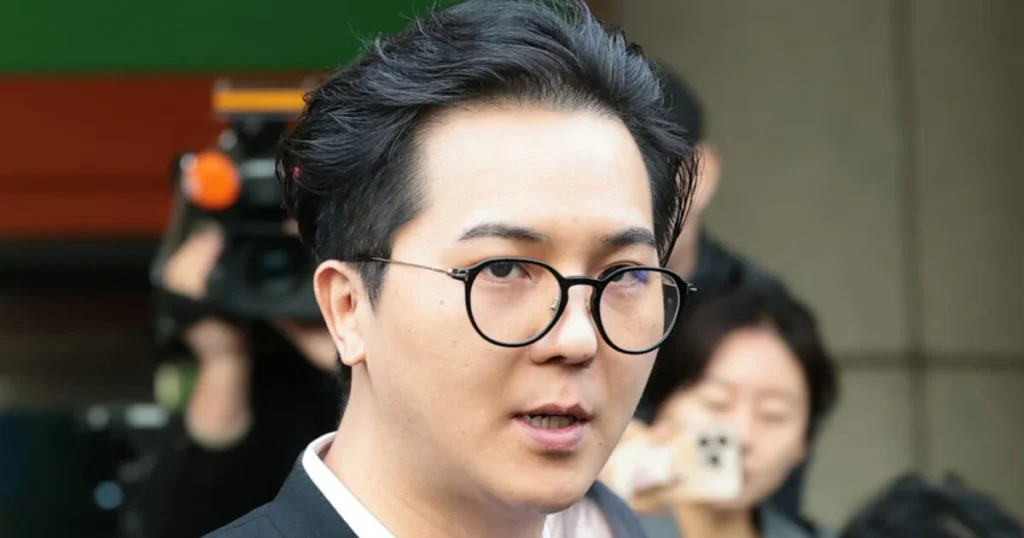
Song Min-ho, better known by his stage name Mino, a prominent member of the K-pop sensation WINNER, appeared before the court on April 21, 2026, for the first hearing in a high-profile case alleging violations of South Korea’s stringent Military Service Act. The proceedings, which have captivated public attention and ignited fervent discussions across social media platforms, centered on accusations that Mino had been absent from his assigned military duties for an alarming 102 days out of a total 430 days of service, all without official authorization. This significant period of absence, representing nearly a quarter of his entire service term, has drawn widespread condemnation and raised serious questions regarding celebrity accountability and the sacred duty of military service in the nation.
The Unwavering Mandate of South Korean Military Service
In South Korea, military service is not merely a civic duty but a constitutional obligation deeply ingrained in the national psyche, reflecting the ongoing geopolitical realities of a divided peninsula. All able-bodied South Korean men are required to serve in the armed forces for approximately 18 to 21 months, depending on the branch, or undertake alternative public service roles for a longer duration. This mandate stems from the 1953 armistice that ended the Korean War, which technically left the two Koreas in a state of war, necessitating a robust and vigilant defense posture. The public’s perception of military service is one of profound respect and expectation, viewing it as a rite of passage and a non-negotiable contribution to national security. Any attempt to evade or neglect this duty is met with severe legal penalties and overwhelming social opprobrium, particularly when involving public figures such as entertainers and athletes who are often held to an even higher standard. Historically, individuals, especially celebrities, found guilty of military evasion have faced career-ending scandals, public shunning, and even exile from the country. This context underscores the immense gravity of the charges brought against Mino and the intensely scrutinized environment in which his trial is unfolding.
A Detailed Timeline of Events Leading to the Trial
The unfolding legal saga involving Mino began with his enlistment, a standard procedure for all South Korean men by the age of 28. While the exact date of his initial enlistment was not publicly disclosed in the immediate aftermath of the trial, it is understood to have commenced at a typical age for K-pop idols, often following a period of intense career activity. Given the nature of the charges—absence from a "position"—it is widely inferred that Mino was likely fulfilling his mandatory service as a social service agent or public service worker, a common alternative for those with certain health conditions or other classifications that preclude active duty.
The core of the prosecution’s case revolves around the period during which Mino allegedly accumulated 102 unauthorized absences over a span of 430 days. This pattern of non-attendance would have likely triggered internal investigations within the military or relevant public service agency. Such prolonged and unapproved absences are rarely overlooked and typically lead to formal inquiries, especially for individuals whose public profile would naturally draw attention.
The formal indictment against Mino would have followed the conclusion of these investigations, with prosecutors determining sufficient evidence to press charges under the Military Service Act. The specific article of the act under which he is charged would likely pertain to unauthorized absence or desertion, which carries significant legal repercussions. The public was largely unaware of these internal developments until reports of his indictment surfaced, creating a sudden and dramatic shift in his public image.
The first public revelation and formal proceeding occurred on April 21, 2026, when Mino attended his inaugural trial session. This marked the official commencement of legal proceedings that will ultimately determine his culpability and the extent of his punishment. The trial’s initiation on this date places Mino firmly in the spotlight, not for his artistic endeavors, but for a matter of national duty and legal compliance, a stark and challenging transition for any public figure.
Legal Arguments and the Defense’s Revelation
During the initial trial, the legal representatives for Mino presented a defense strategy centered on his mental health struggles. They disclosed that the artist had been diagnosed with bipolar disorder and panic disorder, asserting these conditions as underlying factors contributing to his prolonged absences. Bipolar disorder, characterized by extreme mood swings including emotional highs (mania or hypomania) and lows (depression), and panic disorder, involving sudden, intense episodes of fear and physical symptoms, are serious mental health conditions that can significantly impact an individual’s daily functioning and ability to fulfill structured responsibilities.
The defense’s argument aimed to contextualize Mino’s actions, suggesting that his absences were not willful defiance but rather a consequence of his psychological state. In South Korea, mental health conditions can, under specific and stringent circumstances, lead to exemptions or alternative service placements if diagnosed and documented prior to or early in the enlistment process and deemed severe enough to impede service. However, the prosecution and the general public have historically viewed such claims with skepticism, especially when they surface after alleged violations have occurred.
Crucially, the legal representatives themselves acknowledged that while these conditions were presented as causes, they were "not an excuse for his actions." This concession suggests an understanding of the legal landscape, where the presence of a mental health condition does not automatically absolve an individual of responsibility, particularly if it was not declared or fully assessed at the time of enlistment, or if the severity was not deemed sufficient for an exemption at the outset. The court will need to meticulously evaluate the medical evidence, the timeline of diagnoses, and how these conditions might have genuinely impacted his ability to perform his duties versus whether they are being used post-facto to mitigate charges. The prosecution’s demand for a prison sentence strongly indicates their belief that Mino’s absences were indeed intentional and that the mental health defense, while acknowledged, does not justify the extent of his alleged dereliction of duty.
Mino’s Post-Trial Statement and Public Contrition
Following the intense atmosphere of the courtroom, Mino faced a throng of reporters eager for a statement. His exchange with the media was brief but highly scrutinized, offering the first direct insight into his mindset regarding the charges. When pressed by reporters on his admission of guilt, his intentions to apologize to diligent citizens, and his willingness to re-enlist, Mino responded with a posture of humility and acceptance.
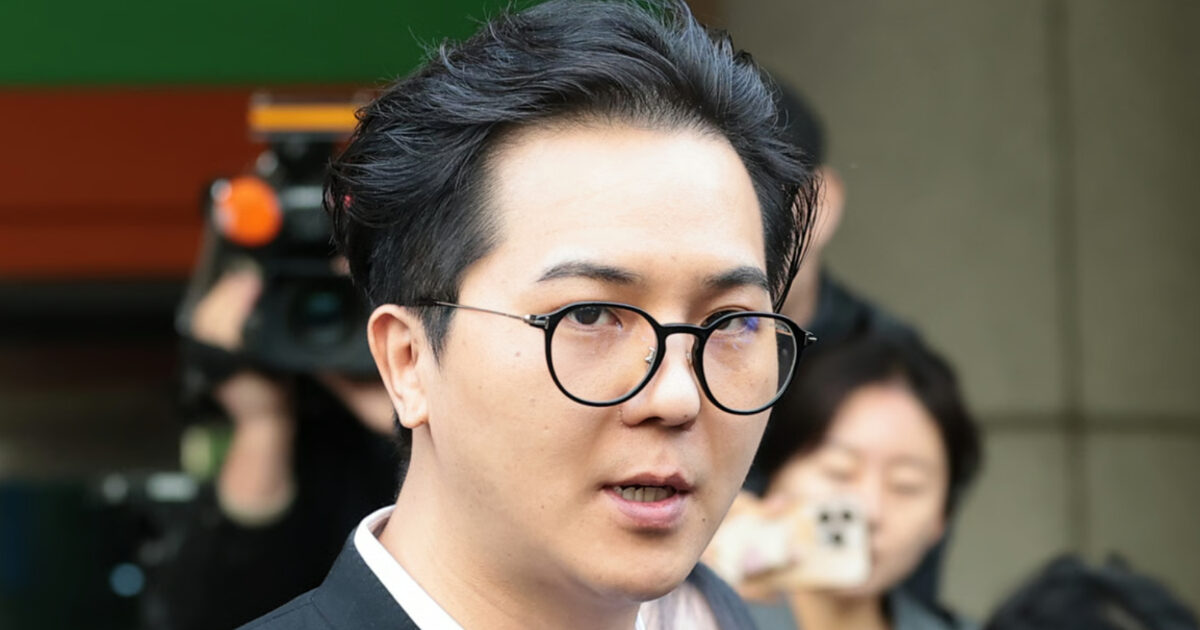
"I humbly accept and acknowledge whatever punishment is given to me," he stated, a declaration that can be interpreted as an admission of wrongdoing, or at least a readiness to face the legal consequences without further contention. This statement, while legally prudent, also serves as a public gesture of deference to the judicial process and public sentiment.
Perhaps the most impactful part of his statement was his explicit affirmation of sincerity regarding a potential re-enlistment. When asked, "Are you sincere about re-enlisting as well?" Mino unequivocally replied, "Yes, that’s right." This offer to undergo military service again, if given the opportunity, is a significant and rarely heard proposition from an individual facing such serious charges. It suggests a profound desire to rectify his perceived mistakes and fulfill his national duty properly, potentially aiming to garner leniency from the court and restore his standing with the public.
He concluded his public address with a direct apology: "I’m sorry for disappointing everyone." This final remark, aimed broadly at his fans, the public, and perhaps even his fellow service members, underscored the weight of the social and moral expectations he had allegedly failed to meet. The sincerity of this apology and the promise of re-enlistment will undoubtedly be major factors in how the public and the court perceive his future actions.
Overwhelming Public Disappointment and Calls for Accountability
The news of Mino’s prolonged absence and subsequent trial triggered an immediate and widespread backlash across South Korean online communities and social media platforms. Netizens, often quick to vocalize their opinions on matters of public duty and celebrity conduct, expressed profound disappointment and anger. The prevailing sentiment was one of betrayal, with many feeling that Mino had shirked a fundamental responsibility that countless ordinary citizens fulfill without complaint, often under more challenging circumstances.
Social media was inundated with comments demanding strict accountability. Many users echoed the sentiment that his mental health conditions, while serious, should not serve as an absolute shield against responsibility, especially given the significant period of absence. There was a strong consensus that celebrities, far from being exempt, should serve as exemplary figures.
The calls for "re-enlistment" were particularly prominent, reflecting a desire for Mino to undergo the full, unblemished military experience to atone for his actions. Comments like "Song Mino. Go back to the military and do it right," and "Go to prison, then go back to the military," illustrate the public’s demand for both legal punishment and a complete fulfillment of his national duty. The idea of re-enlisting is a potent symbol of redemption in this context, signifying a willingness to endure the full rigor of service. Other comments, such as "Damn…if only he showed up to work…" and "Why does everyone do things that will ruin them…," highlighted the public’s frustration with choices that seemingly jeopardize successful careers for reasons deemed unjustifiable. The perceived disparity between a celebrity’s privileges and their obligations fueled much of the indignation.
This massive online backlash, amplified through platforms like Twitter and popular news comment sections, underscores the immense social pressure on public figures regarding military service. It serves as a powerful reminder that while fame offers many advantages, it also comes with increased scrutiny and a heightened expectation of adherence to national norms and laws. For Mino, navigating this wave of public disappointment will be as crucial as the legal battle itself, as his future career trajectory hinges significantly on the restoration of public trust.
Broader Implications and Precedents for Celebrity Accountability
Mino’s case is not an isolated incident but rather another chapter in a long history of South Korean celebrities facing public and legal scrutiny over military service. The outcome of this trial will have significant implications, not only for Mino’s career and personal life but also for the broader landscape of celebrity accountability and the interpretation of military service laws.
Firstly, this case reinforces the unyielding stance of the South Korean legal system and public against military evasion, regardless of an individual’s social standing. Past high-profile cases, such as that of singer Yoo Seung-jun (Steve Yoo), who forfeited his South Korean citizenship to avoid conscription and was subsequently banned from entering the country for over two decades, serve as stark reminders of the severe and long-lasting repercussions. Similarly, cases involving allegations of draft dodging or negligence of duty have historically led to irreversible damage to careers and public image. Mino’s situation, therefore, falls into a deeply sensitive societal category where leniency is rarely extended without significant and visible atonement.
Secondly, the revelation of Mino’s bipolar and panic disorders brings to the forefront the complex interplay between mental health challenges and mandatory military service. While South Korea has made strides in acknowledging mental health issues, the military’s assessment and accommodation of such conditions remain a delicate area. This case may prompt further discussion and review of how mental health is evaluated during pre-enlistment examinations and how prolonged absences due to mental health crises are managed within the service. The court’s decision will set a precedent for whether such conditions, when revealed post-facto, can sufficiently mitigate charges of unauthorized absence. It highlights the tension between the universal duty of service and individual health considerations, a balance that society continually strives to refine.
Finally, the trial will undoubtedly impact WINNER as a group and YG Entertainment, their managing agency. The agency’s responsibility in overseeing their artists’ compliance with national duties will come under scrutiny. A severe sentence for Mino could cast a shadow over the group’s activities and potentially lead to a hiatus or restructuring, as public sentiment often extends to an artist’s entire collective. For YG Entertainment, it presents another challenge in managing artist controversies, especially in an era where public perception holds immense sway over commercial success.
The upcoming sessions of Mino’s trial will be closely watched, not just by fans and legal experts, but by a nation that views military service as a cornerstone of its identity and security. The verdict and subsequent sentencing will not only determine Mino’s immediate future but will also serve as a powerful statement on justice, duty, and celebrity responsibility in South Korea. The path to redemption, if available, will be arduous and necessitate a transparent and unwavering commitment to fulfilling the obligations he allegedly neglected.
Related News