WINNER’s Song Mino Faces Legal Scrutiny Over Military Service Amidst Resurfaced Mental Health Disclosures
Article Editorial Team
SEO Meta Description: WINNER’s Song Mino is currently embroiled in a legal battle over alleged skipped days during his mandatory public service, with prosecutors demanding an 18-month prison sentence. The high-profile case has reignited public discourse on mental health challenges within South Korea’s strict military service system, particularly after Mino’s past disclosures of bipolar and panic disorders resurfaced during court proceedings.
Seoul, South Korea – Renowned K-Pop artist Song Mino, a prominent member of the popular group WINNER, is currently navigating a significant legal challenge concerning his mandatory military service. The idol, serving as a public service worker, has been accused of intentionally skipping 102 days of his assigned duties, leading to a recent court appearance where prosecutors sought an 18-month prison sentence. This development has cast a renewed spotlight on Mino’s previously disclosed struggles with mental health, igniting a fervent debate online about the complexities of mental illness within the rigorous framework of South Korea’s military obligations.
The Allegations and Initial Court Proceedings
The legal proceedings against Song Mino stem from accusations that he deliberately absented himself from his duties as a public service worker for a total of 102 days. Mandatory military service in South Korea is a deeply ingrained civic duty, with evasion carrying severe penalties, including potential imprisonment. While Mino’s specific assignment as a public service worker indicates a classification often given to individuals with certain health conditions or other exceptional circumstances that preclude active combat duty, the expectations for consistent attendance and performance remain stringent.
During his initial court appearance, the prosecution argued for an 18-month custodial sentence, emphasizing the serious nature of neglecting mandatory service. The specific details of the prosecution’s evidence regarding the alleged absences have not been fully disclosed, but the demand for a prison term underscores the gravity with which such violations are treated under South Korean law. The defense, while acknowledging the absences, has reportedly introduced Mino’s diagnosed mental health conditions as a significant factor, not as an excuse for evasion, but to contextualize the challenges he faced during his service period.
Resurfacing Mental Health Disclosures: A Timeline
The current legal entanglement has inevitably drawn attention back to Song Mino’s candid discussions about his mental health, which he first publicly addressed in 2022.
- 2017: Initial Diagnosis – Mino was diagnosed with both panic disorder and bipolar disorder. These diagnoses occurred during a period when he was actively promoting with WINNER and pursuing solo projects, indicating the internal struggles he faced even while maintaining a demanding public schedule.
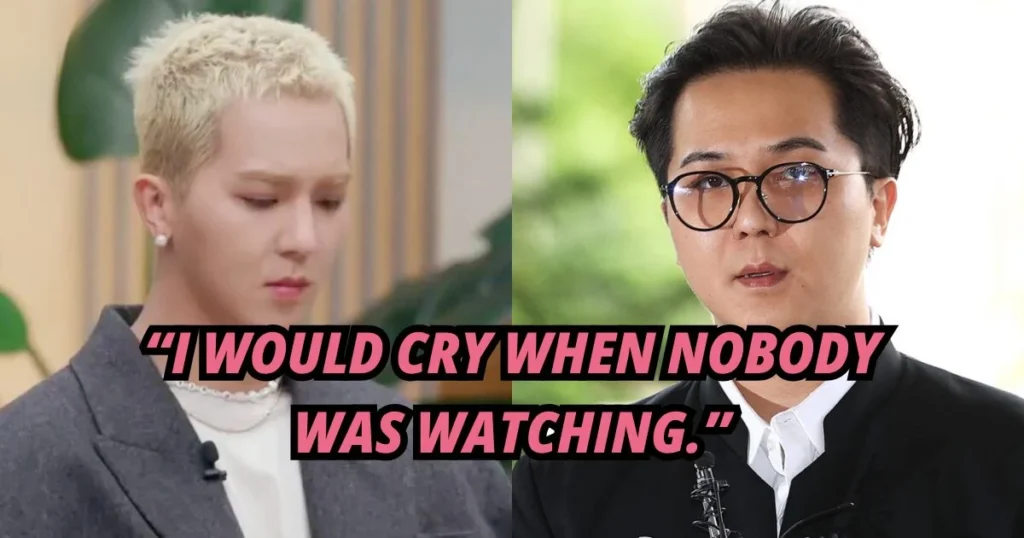
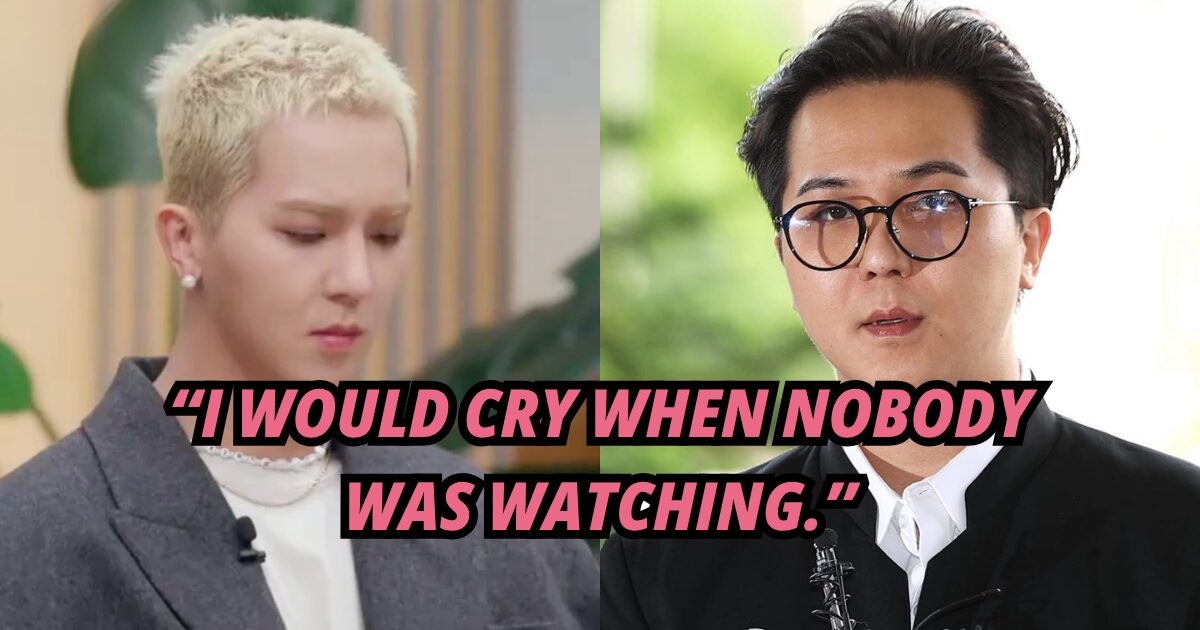
- 2022: Public Disclosure on "Oh Eun Young’s Gold Counseling Center" – During an appearance on the popular television program Oh Eun Young’s Gold Counseling Center, Mino openly discussed his diagnoses. This was a significant moment, as he elaborated on the profound impact these conditions had on his daily life and professional activities. He described experiencing severe emotional distress, stating, "I would cry when nobody was watching after during filming breaks, and then go back to shoot again. Life felt tragic whenever the camera stops rolling." He also revealed that his WINNER members were largely unaware of the extent of his struggles at the time, highlighting the private battle he was fighting.
- Ongoing Treatment – Since his diagnosis, Mino has been receiving treatment and medication for his conditions, a fact that has been presented as part of his defense in the current trial. The challenges associated with managing bipolar disorder, characterized by extreme mood swings ranging from manic highs to depressive lows, and panic disorder, which involves sudden, intense episodes of fear, are well-documented and can significantly impact an individual’s ability to maintain consistent daily routines and responsibilities.
Understanding Bipolar and Panic Disorders
To fully appreciate the context of Mino’s situation, it is crucial to understand the nature of bipolar disorder and panic disorder.

- Bipolar Disorder: Formerly known as manic-depressive illness, bipolar disorder is a mental health condition that causes extreme mood swings that include emotional highs (mania or hypomania) and lows (depression). These mood shifts can affect sleep, energy, activity, judgment, behavior, and the ability to think clearly.
- Manic Episodes: Can involve increased energy, racing thoughts, decreased need for sleep, euphoria, irritability, and impulsive behavior. While seemingly productive, severe mania can lead to psychosis.
- Depressive Episodes: Characterized by profound sadness, loss of interest in activities, fatigue, changes in appetite or sleep patterns, feelings of worthlessness, and suicidal thoughts.
- Impact on Functioning: The unpredictable nature and intensity of these episodes can severely disrupt personal and professional life, making consistent work or study extremely challenging. Treatment typically involves medication (mood stabilizers, antipsychotics) and psychotherapy.
- Panic Disorder: This condition involves recurrent, unexpected panic attacks, which are sudden episodes of intense fear that trigger severe physical reactions when there is no real danger or apparent cause. Symptoms can include heart palpitations, shortness of breath, chest pain, dizziness, trembling, and a feeling of impending doom. Individuals with panic disorder often live in fear of the next attack and may develop avoidance behaviors, leading to agoraphobia (fear of places or situations that might cause panic).
Both conditions can be debilitating, and managing them effectively often requires ongoing medical intervention, therapy, and a stable environment, which can be difficult to maintain under the pressures of celebrity life and mandatory service.
South Korea’s Mandatory Military Service: A Strict Framework
South Korea maintains one of the world’s most stringent conscription systems, requiring all able-bodied male citizens to serve in the military for approximately 18-21 months, depending on the branch. This system is a direct response to the ongoing security threat posed by North Korea and is deeply embedded in the national psyche and legal framework.
- Historical Context: Conscription was introduced in 1957, but its roots are in the Korean War. Public sentiment strongly supports mandatory service, viewing it as a fundamental duty for national defense.
- Alternatives to Active Duty: While most serve in active combat roles, alternatives exist for those with specific health conditions or other circumstances.
- Social Service Worker (Public Service Worker): This is the category Mino falls under. Individuals assigned to this role typically perform duties in government offices, welfare facilities, or public institutions, such as subway stations or community centers. The service period is usually longer than active duty (around 21 months), and while less physically demanding, it still requires consistent attendance and adherence to rules.
- Exemptions: Full exemptions are rare and typically granted only for severe physical disabilities, certain medical conditions (like severe mental illnesses that make any form of service impossible), or exceptional national achievements (e.g., Olympic medalists, classical music award winners).
- Penalties for Evasion: The legal consequences for military service evasion are severe. Article 86 of the Military Service Act stipulates that individuals who evade or refuse military service without justifiable reason can face imprisonment of up to three years. High-profile cases of evasion have historically led to public outrage, career destruction, and even denial of re-entry into the country for those who tried to escape the duty abroad. This strictness underscores why Mino’s case is being pursued with such legal vigor.
Broader Societal Impact and Online Debate
The revelation of Mino’s legal troubles and the subsequent resurfacing of his mental health disclosures have sparked a significant online debate, reflecting broader societal tensions in South Korea.
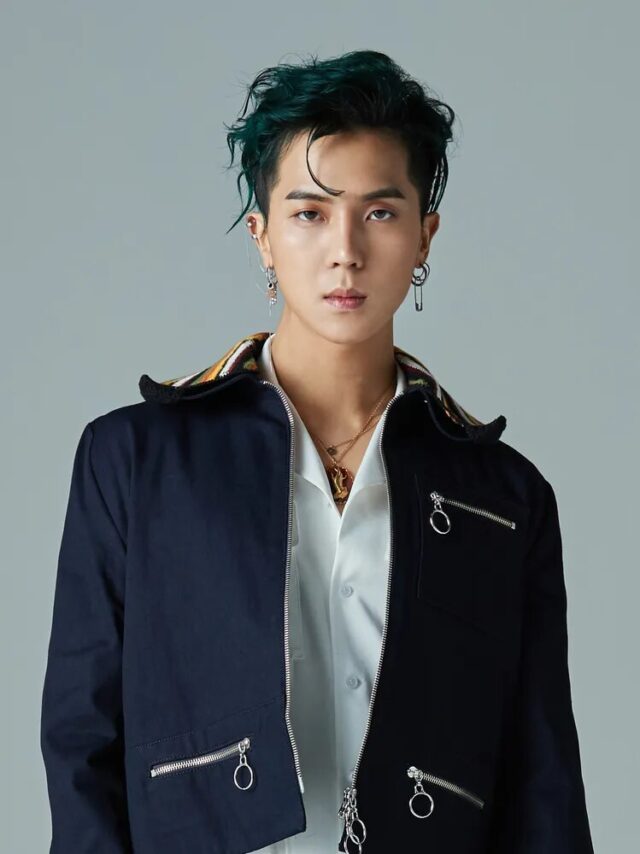
- Empathy vs. Duty: Many netizens, particularly those who also live with mental health conditions, have expressed profound empathy for Mino. Social media platforms are filled with messages highlighting the debilitating nature of bipolar disorder and panic disorder. Comments such as, "People who don’t have bipolar don’t understand how extremely debilitating it is… there are times I’ve called off work and spent the whole time laying in bed," and "as someone who has bipolar 2 there is days where everything feel heavy like this year i take annual leave just to sleep and locked in my room for days," illustrate a growing understanding and destigmatization of mental illness among a segment of the public. These supporters argue that while military duty is important, the impact of severe mental health conditions should be considered in evaluating adherence to service requirements.
- Unwavering Support for Military Law: Conversely, a significant portion of the public maintains a firm stance on the sanctity of military service. For many, national duty transcends individual circumstances, and any perceived evasion, regardless of the underlying reasons, is met with strong disapproval. This perspective often emphasizes fairness to all other conscripts who fulfill their duties despite personal challenges. The strict legal precedent against evasion is seen as essential for maintaining national security and social order.
- Stigma of Mental Health: Despite increasing awareness, a considerable stigma still surrounds mental health issues in South Korea, especially for public figures. While Mino’s candid disclosure was lauded by many as brave and a step towards destigmatization, the current legal battle risks reinforcing the idea that mental health struggles might be used as an excuse, thereby potentially hindering broader acceptance and support for those suffering.
- Celebrity Scrutiny: K-Pop idols and public figures face immense scrutiny regarding their military service. Any deviation from the norm often leads to intense public backlash, making Mino’s situation particularly precarious for his career and public image. The pressure on idols to maintain a flawless public persona often exacerbates mental health challenges, creating a vicious cycle.
Implications for Song Mino’s Career and Future
The outcome of this trial carries significant implications for Song Mino’s career and personal life. A prison sentence, even a suspended one, would undoubtedly tarnish his public image and could lead to a temporary or even permanent hiatus from his entertainment activities. Even if he receives a more lenient sentence or a fine, the legal battle itself and the public discourse surrounding it will have a lasting impact.
- Career Hiatus: Any custodial sentence would necessitate a prolonged absence from the entertainment industry, halting his music releases, performances, and public appearances.
- Public Image: While some fans and empathetic individuals will stand by him, a segment of the public may view any conviction as a breach of public trust, potentially affecting his long-term popularity and endorsement opportunities.
- Mental Health Advocacy: Paradoxically, this high-profile case could also inadvertently amplify conversations around mental health and military service, forcing a re-evaluation of how the system accommodates individuals with severe psychological conditions. Mino’s courage in speaking about his struggles could, in the long run, contribute to greater understanding and policy changes.
Official Responses and the Path Forward
As of now, official statements from YG Entertainment, Mino’s agency, have been limited, typically deferring to the ongoing legal process. It is common for agencies to refrain from extensive commentary during active litigation to avoid prejudicing the case. The defense team’s strategy will likely focus on presenting comprehensive medical evidence of Mino’s conditions, expert testimonies on the impact of bipolar and panic disorders, and arguments mitigating any perceived intent to evade service. They will aim to demonstrate that his absences were directly related to his health struggles and not a deliberate act of defiance against mandatory service.
The legal proceedings are expected to continue, with further hearings likely to delve deeper into the medical evidence and the specific circumstances surrounding the alleged skipped days. The verdict will not only determine Song Mino’s immediate future but will also add another chapter to the ongoing national conversation about mental health, military duty, and the responsibilities of public figures in South Korea. The case serves as a poignant reminder of the intricate balance between societal expectations, legal obligations, and the very real human struggles faced by individuals, even those in the spotlight.
Related News