Popular Actor, Girlfriend Sentenced To Prison In Military Draft Evasion Case
Article Editorial Team

Taiwanese actor Wang Ta Lu, widely recognized by his English name Darren Wang, alongside his girlfriend Chueh Mu Hsuan, have been sentenced to six months in prison following their involvement in a military draft evasion scheme that further escalated into charges of illegally accessing personal data. The verdict, delivered on April 22, marks a significant development in a case that has captivated public attention in Taiwan, highlighting the stringent enforcement of conscription laws and the broader societal expectations placed upon public figures. The sentences, while carrying the weight of imprisonment, are eligible for commutation into fines, a common practice for certain non-violent offenses in Taiwan.
The Initial Allegations: A Forged Heart Condition and Financial Transactions
The saga began on February 18, 2025, when then 33-year-old Wang Ta Lu, who soared to international fame with his leading role in the immensely popular 2015 romantic comedy Our Times, was apprehended at his residence on grave suspicion of draft dodging. Authorities alleged that Wang had attempted to circumvent Taiwan’s mandatory military service by orchestrating a deceptive scheme. The core of the accusation revolved around a payment of NT$1 million (approximately US$30,525) to an individual named Chen, who was reportedly the mastermind behind a sophisticated draft-dodging ring. In exchange for this substantial sum, Wang was purportedly furnished with falsified medical documentation, specifically a fabricated heart condition, intended to secure an exemption from military duty. Following his arrest, Wang was released on bail later the same day, allowing him to navigate the initial legal proceedings outside of detention. The revelation sent shockwaves across the entertainment industry and among his fan base, as the actor had previously cultivated a clean-cut image.
Taiwan’s Conscription System: A Crucial Context

To fully grasp the gravity of Wang’s alleged actions and the subsequent legal repercussions, it is essential to understand the framework of Taiwan’s military conscription system. Mandatory military service is a deeply entrenched civic duty for male citizens in Taiwan, reflecting the nation’s unique geopolitical landscape and its ongoing security concerns, particularly those stemming from cross-strait relations with mainland China. Historically, all able-bodied men are required to serve in the armed forces. The conscription age typically commences at 18, and service must be completed before a man’s 36th birthday.
A pivotal shift in this policy occurred in December 2022, when Taiwan’s government announced a significant extension of mandatory military service. Effective from January 1, 2024, the duration of service was lengthened from four months to a full year. This decision was largely driven by an assessment of evolving security threats and a strategic imperative to bolster the nation’s defensive capabilities. Concurrently, the penalties for evading conscription were reinforced, with the law stipulating that individuals found guilty of such offenses could face up to five years in prison. This increased deterrence underscores the government’s resolve to ensure equity in national service and to maintain a robust defense force. For a public figure like Wang Ta Lu, whose career thrives on public approval and adherence to societal norms, an attempt to bypass such a fundamental civic obligation carried inherent risks of severe public backlash and legal penalties, especially under the heightened scrutiny of the updated regulations.
The Unraveling of the Scheme: From Evasion to Data Access Charges
The intricate web of deceit began to unravel not directly from the draft evasion itself, but from a subsequent attempt to retrieve funds and information after the initial scheme faltered. After Wang Ta Lu allegedly transferred the aforementioned NT$1 million to Chen, the purported ringleader, Chen unexpectedly ceased communication. It soon emerged that Chen was already under detention for unrelated fraud charges, rendering him incapable of fulfilling his end of the draft evasion bargain or returning the funds.
In an effort to recoup the transferred money or gain clarity on Chen’s whereabouts and status, Wang’s co-defendant, whose identity has not been publicly elaborated upon, reportedly approached a police officer. This interaction led to the co-defendant illegally obtaining Chen’s personal data from official police records. This sensitive information was then illicitly relayed to Wang Ta Lu. It was this act – the unauthorized access and dissemination of personal data – that formed the basis of the charges on which both Wang and his girlfriend, Chueh Mu Hsuan, were ultimately convicted. The transition from an alleged draft evasion attempt to a conviction for data privacy violations highlights the cascading legal consequences that can arise from initial illicit activities, particularly when desperate measures are taken to mitigate losses or gain information. The involvement of a police officer in the illegal retrieval of data also raises questions about potential breaches of public trust and official misconduct, which could lead to further investigations.

The Verdict and Sentencing: A Message of Accountability
On April 22, the court delivered its judgment, finding both Wang Ta Lu and Chueh Mu Hsuan guilty of illegally accessing personal data. Each was handed a sentence of six months in prison. While the specifics of Chueh Mu Hsuan’s direct involvement in the data access chain beyond her relationship with Wang were not extensively detailed in initial reports, her conviction on similar charges indicates a level of complicity or direct participation in the unauthorized retrieval and handling of Chen’s information.
The court’s decision, even with the option for commutation into fines, sends a clear message regarding accountability. For offenses carrying a six-month sentence or less, Taiwan’s legal system often allows for the conversion of the prison term into a monetary fine, typically calculated at a specific rate per day. This means that Wang and Chueh may be able to avoid actual incarceration by paying a predetermined sum. However, the conviction itself remains on their records, signifying a formal declaration of guilt by the judicial system. The legal precedent set by this case reinforces the principle that all citizens, regardless of their public standing, are subject to the same laws, and that attempts to circumvent national service or engage in illicit information gathering will not be tolerated.
Broader Societal Implications and Public Reaction
The case of Wang Ta Lu has resonated deeply within Taiwanese society, sparking widespread public discussion and debate. Military service in Taiwan is not merely a legal requirement; it is viewed by many as a rite of passage, a fundamental contribution to national security, and a testament to civic responsibility. For celebrities and public figures, the expectation to fulfill this duty is often even higher, as they are seen as role models. Previous instances of celebrities attempting to evade service have often met with severe public condemnation, leading to significant damage to their careers and public image.

The public reaction to Wang’s case has largely been one of disappointment and calls for justice. Many citizens who have completed their mandatory service, or who have family members serving, view attempts at evasion as a betrayal of shared responsibility and a display of privilege. The court’s decision, therefore, is likely to be widely supported as a demonstration of judicial fairness and an affirmation that no one is above the law. This outcome serves as a powerful deterrent to other high-profile individuals who might consider similar illicit means to avoid their national obligations. It also underscores the government’s commitment to maintaining morale within the armed forces and ensuring equitable treatment for all conscripts.
Impact on Wang Ta Lu’s Career and Public Image
For Wang Ta Lu, the legal troubles and subsequent conviction represent a significant setback to his flourishing career. Prior to this incident, he was a highly sought-after actor, not only in Taiwan but also across the wider Mandopop entertainment sphere, thanks to the success of Our Times and subsequent projects. His image as a charismatic and talented performer has now been tarnished by the shadow of illegality.
While the option to commute his sentence to a fine might spare him from actual prison time, the conviction itself will undoubtedly have long-lasting repercussions. Public trust, once a cornerstone of his appeal, has been eroded. Endorsement deals, film roles, and television appearances may become harder to secure as brands and production companies become wary of associating with someone implicated in such a scandal. Rebuilding his public image will require considerable effort, potentially involving public apologies, demonstrations of genuine remorse, and a period of withdrawal from the public eye. The entertainment industry, particularly in East Asia, often imposes a high moral standard on its stars, and scandals of this nature can have career-ending consequences. The immediate future for Wang Ta Lu will likely involve a period of professional uncertainty and a challenging journey to regain the public’s favor.
The Legal Landscape of Draft Evasion in Taiwan
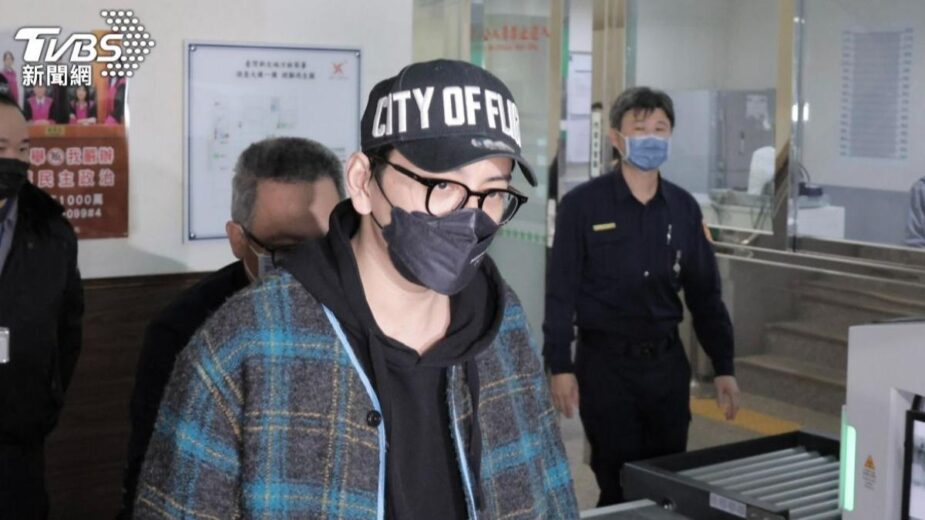
The strict enforcement against draft evasion in Taiwan is a reflection of its national security priorities. With a standing army reliant on conscription, maintaining the integrity and fairness of the system is paramount. The government employs various mechanisms to prevent and detect evasion, from rigorous medical evaluations to cross-referencing residency and travel records. Furthermore, the legal framework includes provisions for investigating not only the individuals attempting to evade service but also those who facilitate such actions, as evidenced by the involvement of the ringleader Chen in this case. The specific charges against Wang and Chueh for illegally accessing personal data further illustrate how seemingly minor follow-up actions in the aftermath of a failed evasion attempt can lead to entirely new and serious legal ramifications, demonstrating the comprehensive nature of legal accountability.
Looking Ahead: Potential Appeals and Future Ramifications
Following the sentencing, Wang Ta Lu and Chueh Mu Hsuan now face a critical decision regarding their next steps. They have the option to appeal the court’s decision, which would initiate a new phase of legal proceedings and potentially prolong the resolution of the case. Alternatively, they could accept the verdict and opt to commute their prison sentences into fines, thereby closing this chapter of their legal battle without serving time in correctional facilities. The amount of the fine would be determined by the court based on the statutory conversion rate.
Beyond the immediate legal implications, the case may continue to unfold in other areas. The police officer allegedly involved in the illegal data retrieval could face internal disciplinary actions or separate criminal charges for official misconduct. The broader investigation into Chen’s draft-dodging ring might also yield further arrests and convictions, shedding more light on the extent of such illicit operations in Taiwan. For Wang Ta Lu, the road to career rehabilitation will be arduous, marked by the need to demonstrate genuine remorse and a commitment to civic responsibility. The reverberations of this high-profile case are likely to serve as a stark reminder to all citizens, especially those in the public eye, of the non-negotiable nature of military service and the severe consequences of attempting to circumvent the law in Taiwan.
Related News