The Art of K-Pop Style: Beyond the Stage and into Personal Expression
Article Editorial Team
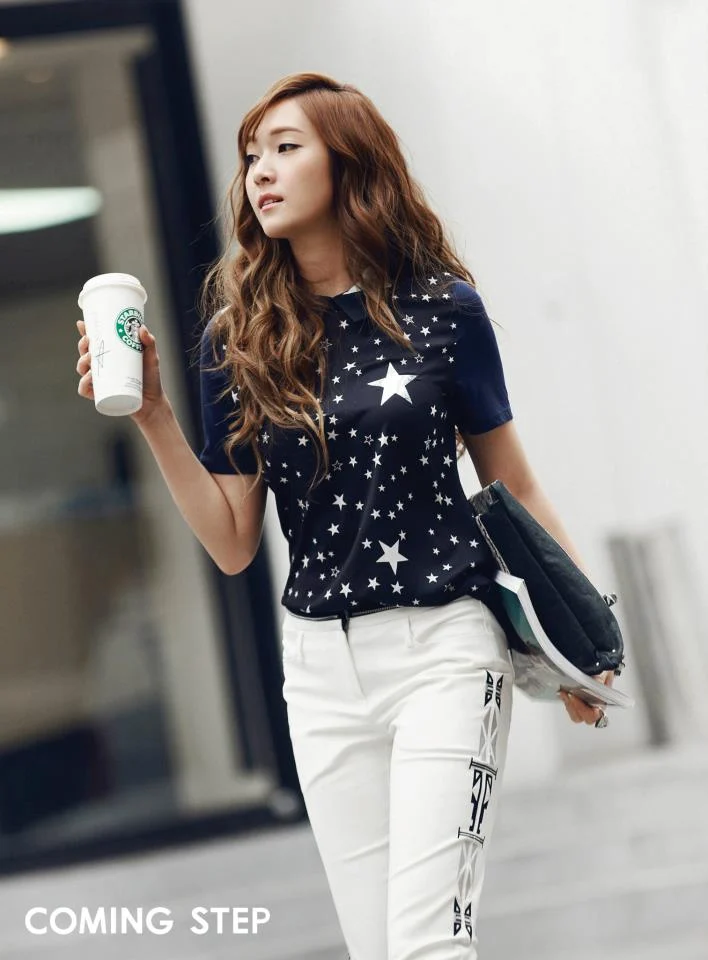
The K-pop industry, renowned for its visually captivating performances and meticulously crafted aesthetics, has transcended its musical roots to influence global fashion trends. While idols dedicate countless hours to mastering intricate choreography, their visual presentation is equally paramount, meticulously curated by teams of stylists, hair artists, and makeup professionals. This unwavering commitment to appearance extends beyond music shows and concerts, encompassing every public appearance, from variety programs to airport arrivals. For fans worldwide, the allure of K-pop fashion presents an accessible gateway into emulating their favorite artists, with clothing serving as the most immediate and versatile avenue for personal style exploration.
The Visual Spectacle of K-Pop Idols
K-pop’s visual dimension is undeniable. The synchronized dance routines, vibrant music videos, and charismatic stage presences are all amplified by sophisticated styling. Idols are not merely performers; they are visual icons, and their fashion choices often become aspirational for millions of fans. From the intricate details of stage costumes to the more casual yet still polished looks seen in daily life, K-pop idols set trends that ripple through global youth culture. This phenomenon has led to a significant interest in understanding and adopting K-pop-inspired fashion, prompting discussions and guides on how to achieve these sought-after looks.
Navigating K-Pop Fashion: From Emulation to Personalization
While the initial impulse for fans might be direct emulation – purchasing identical items or replicating specific outfits – the journey into K-pop style is more nuanced. Previous efforts to guide consumers, such as shopping guides that highlight specific garments or accessories worn by idols like Girls’ Generation’s Jessica or BIGBANG’s G-Dragon, serve as starting points. However, simply acquiring the same items does not guarantee the desired aesthetic. The critical distinction lies in understanding that an idol’s ensemble, often a carefully coordinated stage costume, might appear out of place when replicated wholesale in everyday settings. The goal for fans is typically to achieve a similar level of coolness and sophistication without appearing to be in costume.
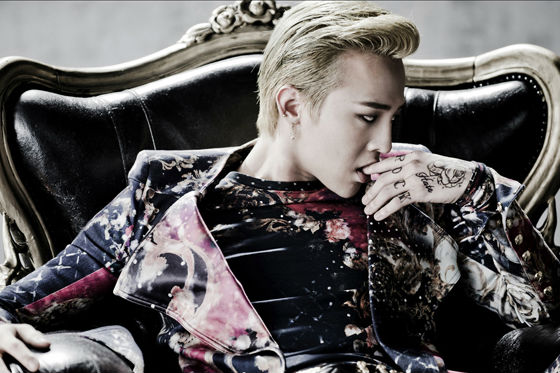
The inherent challenge in replicating idol fashion lies in the context of its creation. K-pop stylists work within the framework of performance, where bold statements, coordinated group aesthetics, and theatrical elements are integral. What looks striking on stage or in a music video can translate differently to a casual setting. For instance, pairing the individual statement pieces worn by artists like SHINee’s Key, 2NE1’s CL, or INFINITE’s Woohyun without considering their original context can lead to an overly costume-like appearance. This is where the art of adaptation and personal interpretation becomes crucial.
The Foundation of Personal Style: Self-Discovery and Integration
The key to successfully incorporating K-pop trends into one’s wardrobe lies in a thoughtful approach to integration rather than direct replication. This process begins with a firm understanding of one’s personal style. By identifying existing preferences—whether a minimalist aesthetic, a preference for structured fits, a penchant for casual sportswear, or an inclination towards androgynous silhouettes inspired by menswear—individuals can more effectively discern which K-pop trends align with their unique fashion sensibilities. Fashion, at its core, is a form of self-expression, and while experimentation is encouraged, the ultimate aim is to cultivate a style that feels authentic.
This journey of self-discovery involves introspection about one’s sartorial inclinations. Do you gravitate towards a monochromatic palette and clean lines? Is your comfort zone found in athletic-inspired pieces? Or do you find yourself drawn to the sharper, more tailored looks often seen in menswear-inspired K-pop fashion? Asking these questions can illuminate the path toward identifying trends that resonate. The K-pop landscape offers a vast array of styles, from the edgy and avant-garde to the sweet and demure, providing a rich source of inspiration. However, the objective is not to become a carbon copy of artists like B.A.P.’s Zelo or Girl’s Day’s Minah, but rather to draw inspiration and adapt it to one’s own identity.

A Gradual Approach to Wardrobe Evolution
For individuals seeking to redefine their personal style, a phased approach is often more effective and less financially burdensome. Instead of a complete overhaul, which might involve significant investment in trendy K-pop-inspired items that may not ultimately suit the individual, starting small is advisable. Experimenting with single pieces or smaller stylistic elements allows for a gradual assessment of what works and what doesn’t. This experimental phase is crucial, as fashion is a dynamic and evolving aspect of personal identity. Dropping a substantial amount of money on a slew of items only to find they don’t align with one’s evolving taste can be a costly lesson. A more measured approach, characterized by thoughtful acquisition and experimentation, ensures a more sustainable and satisfying fashion journey.
The Art of Adaptation: Making Trends Your Own
Once a clearer understanding of personal style begins to emerge, the process of integrating K-pop-inspired pieces becomes more strategic. Instead of focusing on how an idol wore a particular item, the focus shifts to how that item can be incorporated into one’s existing wardrobe. For example, if a fan admires the patterned pants worn by miss A’s Fei or a striking jacket sported by Super Junior’s Eunhyuk, the next step is to consider how these pieces would complement their current clothing. This involves looking into one’s own closet and envisioning pairings with existing items, rather than solely considering combinations with other trendy K-pop pieces.
This method of adaptation offers several benefits. Firstly, it encourages creativity and a deeper understanding of how to style oneself, moving beyond mere imitation. Secondly, it is economically prudent. By integrating new pieces with what is already owned, the need for extensive new purchases is minimized, leading to significant cost savings. This practical consideration is often overlooked in the initial excitement of emulating idol fashion but is vital for long-term style satisfaction.

Cultivating Confidence Through Personal Expression
The ultimate aim of engaging with K-pop fashion is to enhance personal style and boost self-confidence. When an individual feels that a particular trend or item genuinely reflects their personality and complements their existing wardrobe, the confidence to wear it with conviction naturally follows. This internal assurance is the most potent styling tool, far more impactful than any external endorsement or trend. Even without a dedicated style coordinator, individuals can cultivate a stylish presence by making informed choices and owning their look.
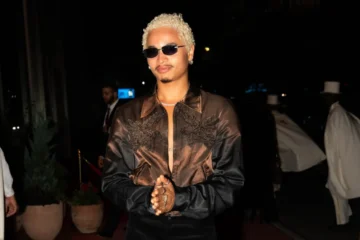
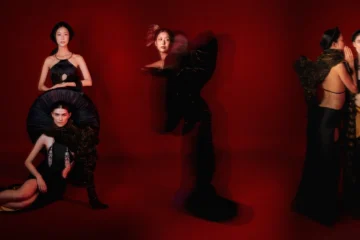
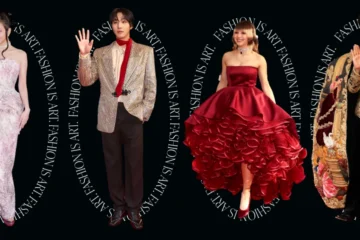
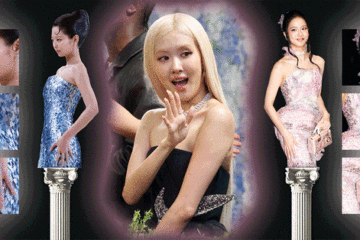
The process of discovering and refining personal style is an ongoing experiment. It involves a willingness to try new things, to make mistakes, and to learn from them. The goal is not to achieve a perfect replica of an idol’s look but to synthesize influences into something uniquely one’s own. By thoughtfully incorporating elements of K-pop fashion and adapting them to personal taste, individuals can develop a distinctive style that allows them to express themselves authentically, free from the pressure of merely "cosplaying" as their favorite idols. This journey empowers individuals to be trendsetters in their own right, demonstrating that true style is about personal interpretation and confident self-expression. The images used in this discussion, sourced from YG Entertainment, Coming Step, Marie Claire, and SSTV, represent the visual inspiration that fuels this dynamic interplay between K-pop culture and individual fashion choices. The evolution of K-pop as a global phenomenon underscores the power of visual media and its profound impact on how fashion is consumed and adopted worldwide. As K-pop continues to evolve, so too will the ways in which fans engage with and interpret its iconic aesthetics, fostering a diverse and dynamic landscape of personal style.
Related News