BIGHIT MUSIC Responds To BTS RM’s Recent Controversy, Triggers Outrage
Article Editorial Team
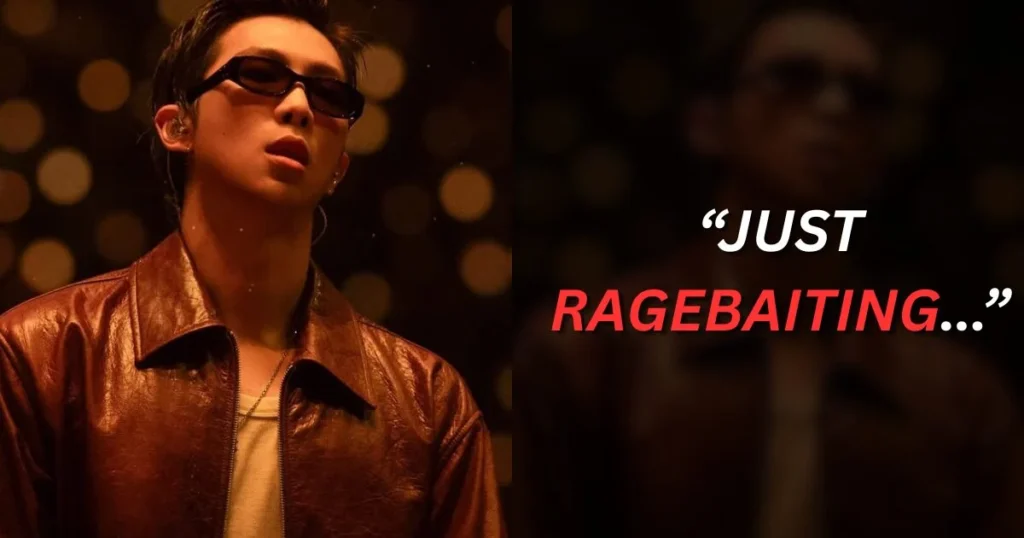
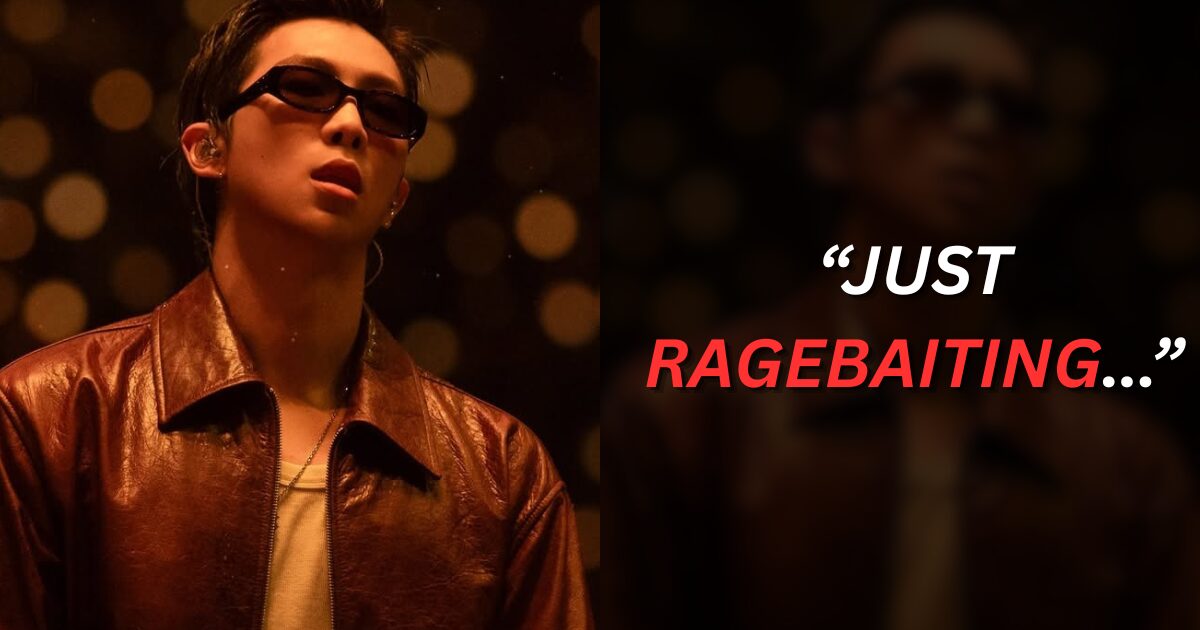
The global music industry and the extensive fandom of the South Korean group BTS have been thrust into a heated debate following reports of an incident involving the group’s leader, RM (Kim Namjoon), during a recent visit to Japan. The controversy, which centers on allegations of public smoking and littering in restricted areas, has escalated significantly following what many perceive as an inadequate and evasive response from the artist’s management agency, BIGHIT MUSIC. As the situation unfolds, it has raised broader questions regarding the public conduct of global icons and the crisis management strategies employed by major entertainment conglomerates.
The Shibuya Incident: Allegations and Initial Reports
The controversy originated from a report published by the prominent Japanese weekly magazine Shukan Bunshun, an outlet known for its investigative "Bunshun Cannon" segments that often target high-profile celebrities. According to the report, RM was observed smoking in a public area in Shibuya, Tokyo, during a short-term stay in Japan. Shibuya is well-known for its strict local ordinances that prohibit smoking on the streets and in most public outdoor spaces to ensure public health and cleanliness.
The report further alleged that the artist littered in the area, a claim that struck a particularly sensitive chord with the public. Perhaps the most damaging aspect of the Shukan Bunshun report was the inclusion of paparazzi photographs and accounts suggesting that a female staff member was seen cleaning up after the artist. Some netizens interpreted the visual evidence as showing the staff member kneeling or stooping in a manner that suggested a power imbalance, leading to accusations of "gapjil" (a Korean term referring to the abuse of power by those in superior positions).
While the act of smoking itself is a personal choice for an adult, the context of the location and the reported behavior toward staff members transformed a private moment into a matter of public ethics. In Japan and South Korea, where public decorum and strict adherence to local regulations are highly valued, the allegations stood in stark contrast to RM’s established reputation as a thoughtful, socially conscious, and law-abiding individual.
Chronology of the Controversy
The timeline of the event highlights a growing disconnect between the speed of social media discourse and the deliberate pace of corporate communication.
- Mid-April 2026: RM travels to Japan, reportedly for a mix of personal time and potential creative engagements. During this period, he is photographed by Japanese paparazzi in the Shibuya district.
- April 22, 2026: Shukan Bunshun releases its report, including photographs of RM in the Shibuya area. The article quickly gains traction across Japanese social media before migrating to Korean online communities and international X (formerly Twitter) circles.
- April 22–23, 2026: Public criticism intensifies. Fans and critics alike wait for a clarifying statement from BIGHIT MUSIC or RM himself. While some fans defend the artist, citing privacy violations, a significant portion of the public expresses disappointment over the alleged breach of local smoking laws.
- April 23, 2026: The South Korean media outlet iMBC publishes a report detailing its attempt to secure a statement from BIGHIT MUSIC. The agency’s response, characterized as an "ambiguous stance," focuses on the suppression of the paparazzi images rather than addressing the behavior of the artist.
- April 24, 2026: The agency’s response triggers a secondary wave of outrage. Netizens criticize BIGHIT MUSIC for "setting up" the artist by failing to provide a sincere apology or a clear explanation, focusing instead on media control.
BIGHIT MUSIC’s Official Stance and Public Backlash
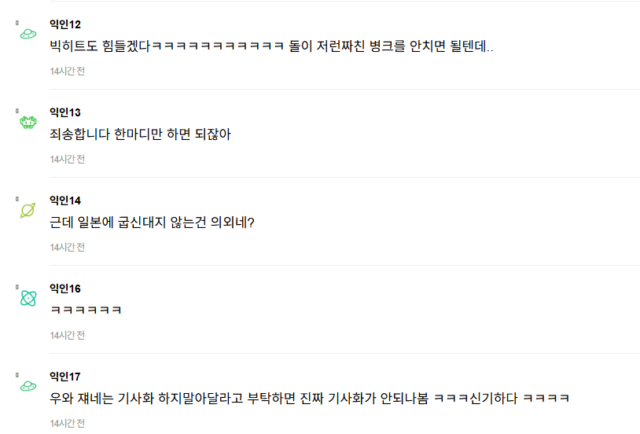
The response provided by BIGHIT MUSIC to iMBC has become a focal point of the current outcry. According to the iMBC report, the label did not issue a formal apology acknowledging the breach of public conduct rules. Instead, the statement focused on the origin of the photographs and a request for media silence.
The statement from BIGHIT MUSIC reportedly read: "We are currently addressing the matter. Given that the photos in question were taken domestically by paparazzi outlets, we are requesting that media organizations refrain from publishing articles based on them. We are conveying this same position to every media outlet that contacts us."
This approach has been widely interpreted as an attempt to prioritize image protection and legal technicalities over ethical accountability. By focusing on the fact that the photos were "taken by paparazzi," the label attempted to frame the issue as a violation of privacy. However, for many observers, the privacy argument does not negate the responsibility of a public figure to follow local laws, particularly regarding smoking in restricted zones and littering.
The lack of a direct "yes" or "no" regarding the allegations has left a vacuum that is currently being filled by public speculation and frustration. In the highly scrutinized world of K-pop, where "clean" images are a cornerstone of brand value, an ambiguous response is often viewed as a tacit admission of guilt without the humility of an apology.

Legal and Social Context: Smoking Regulations in Japan
To understand the severity of the public reaction, one must consider the legal framework in Tokyo. Since the early 2000s, many wards in Tokyo, including Shibuya and Chiyoda, have implemented strict "No Smoking on Streets" ordinances. These laws were enacted to prevent accidental burns in crowded areas and to reduce secondhand smoke and litter.
In Shibuya, smoking is generally prohibited on all public streets and sidewalks. Violators can be subject to immediate fines, and the ward provides designated smoking rooms or areas for those who wish to smoke. For a global figure like RM, who has often been praised by government officials and international organizations for his exemplary conduct, the violation of such a visible local law is seen by some as a lapse in professional judgment.
Furthermore, Japan’s social etiquette places a high premium on "omotenashi" (hospitality) and "meiwaku" (avoiding causing trouble for others). Littering and smoking in non-designated areas are considered significant social transgressions that go beyond simple legal violations; they are viewed as a lack of respect for the community.
Analysis of the Impact on RM’s Public Image
RM, the leader of BTS, has spent over a decade cultivating an image as the "intellectual leader" of the global youth. He has delivered speeches at the United Nations, met with world leaders at the White House, and is frequently lauded for his patronage of the arts and his deep reflections on youth culture.
This controversy is particularly jarring because it conflicts with the "refined" and "mindful" persona that both he and BIGHIT MUSIC have promoted. The allegation that a staff member had to clean up his litter is especially damaging in the current social climate of South Korea, where the treatment of subordinates by celebrities and "chaebol" (conglomerate) heirs is under intense scrutiny.

Critics argue that even if the smoking occurred in a moment of privacy, the subsequent handling of the situation reflects a lack of transparency. Supporters, on the other hand, argue that RM is an adult who is entitled to his private life and that the paparazzi’s invasive methods should be the primary focus of the discussion. They contend that the "kneeling" allegation may be a misinterpretation of a staff member simply performing their job duties in a snapshot of time.
Broader Implications for HYBE and the K-pop Industry
The controversy comes at a time when BIGHIT MUSIC’s parent company, HYBE, is navigating various internal and external pressures. As the most successful entertainment company in South Korean history, HYBE’s crisis management protocols serve as a benchmark for the rest of the industry.
The decision to issue a "no comment" style response while simultaneously attempting to suppress media coverage is a high-risk strategy. In the digital age, where information is decentralized, attempting to control the narrative by requesting media outlets to "refrain from publishing" often results in the "Streisand Effect," where the attempt to hide information only draws more attention to it.
Professional PR analysts suggest that in cases involving clear visual evidence of a minor legal or social infraction, a swift acknowledgment and a brief apology are often more effective at de-escalating the situation than an ambiguous defensive posture. By failing to address the core of the public’s disappointment—the behavior itself—BIGHIT MUSIC has allowed the narrative of "arrogance" or "lack of accountability" to take root.
Conclusion and Future Outlook
As of late April 2026, the situation remains unresolved. The public continues to demand a clearer statement from either the artist or the agency. For RM, whose career has been defined by a unique bond of trust and communication with his audience, the silence is uncharacteristic and, for some, disappointing.
The incident serves as a reminder of the immense pressure and scrutiny faced by global icons. However, it also highlights the necessity for modern entertainment agencies to evolve their crisis management strategies. In an era where transparency is valued above all else, the traditional methods of media suppression are increasingly proving to be counterproductive.
Whether this controversy will have a long-term impact on RM’s career or BTS’s brand remains to be seen. Historically, the group has weathered various storms through direct communication and a commitment to growth. However, the current "outrage" indicates that the public’s expectations for the "World’s Biggest Boy Band" remain higher than ever, and the margin for error is correspondingly slim. Moving forward, the industry will be watching closely to see if BIGHIT MUSIC pivots toward a more transparent dialogue or continues its current path of calculated ambiguity.
Related News