Denim: A Timeless Staple Elevated by K-Pop Idols and Actors in Latest Fashion Showcase
Article Editorial Team
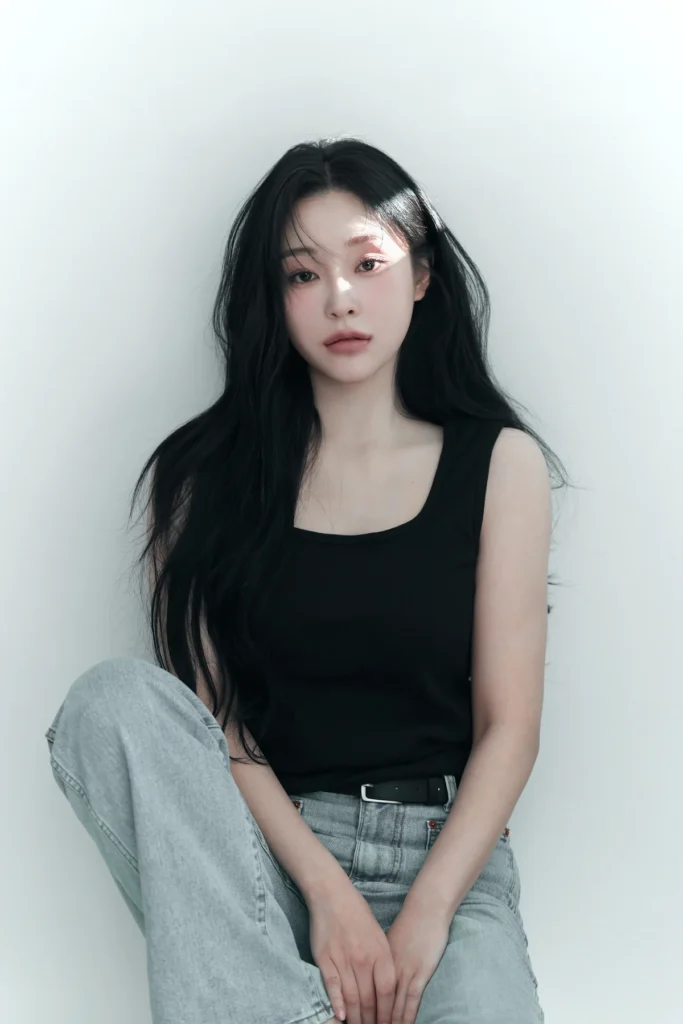
The latest installment of "For Your Viewing Pleasure," a recurring feature dedicated to curating significant visual trends within the K-pop and Korean entertainment landscape, underscores the perennial dominance of denim as an indispensable fashion element. This week’s pictorial collection meticulously highlights how leading idols and actors continue to redefine and reaffirm denim’s status, showcasing its remarkable versatility across a spectrum of styles, from casual faded jeans to innovative accessories. The feature serves as a testament to denim’s enduring appeal, transcending seasonal trends and proving its adaptability within diverse aesthetic frameworks championed by some of South Korea’s most influential cultural figures.
The curated images demonstrate a sophisticated range of denim applications. Actor Park Ji-hoon and actress Lee Seo-yul exemplify a relaxed elegance, opting for classic faded denim, a choice that consistently projects an effortless yet stylish aura. In contrast, Dayeon of the popular girl group Kep1er presents a more refined interpretation, donning a dark denim jacket that exudes a sleek, contemporary chic. Actor Seo In-guk ventures into the bold territory of a double denim ensemble, a style historically challenging but increasingly embraced when executed with sartorial precision. Kyehoon of the group KickFlip pays homage to a classic subculture aesthetic with baggy blue jeans, aligning with the group’s skater-boy roots and the resurgence of comfort-driven streetwear. Perhaps the most innovative presentation comes from Huening Kai of TXT, who elevates denim beyond traditional garments by sporting a stylish denim scarf, a striking example of creative accessorizing. These varied interpretations collectively reinforce denim’s position as a foundational, yet continually evolving, component of modern fashion, particularly within the influential sphere of Korean entertainment.

The Enduring Global Legacy of Denim
Denim’s journey from humble workwear to a global fashion phenomenon is a narrative spanning over a century, deeply intertwined with cultural shifts and sartorial innovation. Originating in the 19th century as durable fabric for laborers in the American West, particularly gold miners, its ruggedness and practicality quickly established its utility. Levi Strauss & Co. is famously credited with popularizing blue jeans, patenting riveted overalls in 1873, effectively cementing denim’s place in the functional apparel market.
The mid-20th century marked a pivotal transformation for denim. Post-World War II, Hollywood icons like James Dean in "Rebel Without a Cause" (1955) and Marlon Brando in "The Wild One" (1953) dramatically reshaped denim’s image, imbuing it with connotations of rebellion, youthfulness, and counter-culture cool. This period saw denim transition from mere utility to a powerful symbol of individuality and defiance, resonating deeply with younger generations worldwide. By the 1960s and 70s, denim became synonymous with the hippie movement and rock-and-roll culture, solidifying its status as a fashion statement rather than just practical attire.

The latter half of the 20th century witnessed denim’s diversification. Designers began experimenting with washes, cuts, and embellishments, integrating denim into high fashion collections. From flared jeans to skinny jeans, distressed denim to acid wash, each decade introduced new trends, ensuring denim’s perpetual relevance. The 1990s brought forth baggy styles and grunge aesthetics, while the 2000s saw the rise of low-rise and embellished denim. This historical trajectory underscores denim’s unparalleled adaptability and its unique ability to absorb and reflect prevailing cultural zeitgeists, making it a truly timeless fabric.
K-Pop’s Role as Global Fashion Trendsetters
In contemporary fashion, K-pop idols and actors have emerged as formidable global trendsetters, wielding immense influence over consumer choices and sartorial directions. Their meticulously curated images, often a blend of high fashion, streetwear, and conceptual artistry, are disseminated globally through music videos, live performances, photoshohoots, and social media platforms. This visibility transforms them into de facto brand ambassadors, capable of propelling a particular garment, accessory, or style into mainstream popularity almost instantaneously.

The meticulous styling involved in K-pop productions is a critical factor. Fashion directors and stylists often collaborate with renowned international and local brands, ensuring that idols are frequently seen in the latest collections or even custom-designed pieces. This symbiotic relationship between entertainment and fashion has cultivated a dynamic ecosystem where trends are not just followed but actively created and propagated by K-pop’s influential figures. The impact is palpable across various sectors, from luxury fashion houses reporting increased sales after an idol is seen wearing their pieces, to fast fashion retailers quickly replicating styles popularized by K-pop stars. This global reach ensures that a fashion feature highlighting denim choices by Korean celebrities resonates far beyond national borders, influencing fashion discourse and consumer behavior across continents.
A Deep Dive into Featured Denim Styles
The "For Your Viewing Pleasure" feature meticulously showcases denim’s vast aesthetic potential through the diverse styling choices of the featured personalities:

-
Casual in Faded Hues: Park Ji-hoon and Lee Seo-yul
- Style Analysis: Park Ji-hoon, known for his versatile acting and music career, alongside actress Lee Seo-yul, embody the quintessential casual denim look. Faded denim, characterized by its lighter wash and often pre-distressed appearance, evokes a sense of relaxed comfort and vintage charm. This style is inherently versatile, easily paired with basic t-shirts, knitwear, or casual button-downs for an understated yet fashionable ensemble. The faded wash naturally softens the garment’s visual impact, making it approachable and suitable for a wide range of everyday settings.
- Context: Faded denim gained prominence in the latter half of the 20th century as consumers sought a more lived-in, authentic look, moving away from rigid, dark indigo. It has since become a wardrobe staple, celebrated for its comfort and ability to convey a sense of effortless cool.
-
Chic in Dark Denim: Dayeon of Kep1er
- Style Analysis: Kep1er’s Dayeon presents a sophisticated take on denim with a dark denim jacket. Dark wash denim, typically a deep indigo or black, offers a more polished and formal aesthetic compared to its lighter counterparts. It possesses a crispness that lends itself well to structured pieces, making it suitable for semi-casual or even smart-casual occasions. A dark denim jacket can seamlessly elevate an outfit, providing a chic outer layer that maintains a contemporary edge without sacrificing sophistication.
- Context: Dark denim is often favored for its slimming effect and its ability to transition from day to night more easily. It has been a constant presence in fashion, offering a clean canvas for various styling interpretations, from minimalist to edgy.
-
The Double Denim Ensemble: Seo In-guk

- Style Analysis: Actor Seo In-guk, celebrated for his roles in dramas like "Reply 1997," embraces the bold "Canadian Tuxedo" or double denim look. This style, which involves wearing a denim top and bottom together, has historically been viewed with skepticism but has experienced a significant resurgence in recent years. Modern interpretations often involve careful consideration of washes and textures – for instance, pairing a darker denim jacket with lighter jeans, or vice versa, to create visual interest and break up the monotony. The key to successful double denim lies in thoughtful coordination, ensuring the ensemble appears cohesive rather than overwhelming.
- Context: The double denim trend, while sometimes controversial, has been championed by fashion-forward individuals and celebrities globally, challenging traditional fashion rules and demonstrating denim’s capacity for high-impact styling when executed judiciously.
-
Skater Boy Roots with Baggy Blue Jeans: Kyehoon of KickFlip
- Style Analysis: Kyehoon of KickFlip, a group known for its energetic performances, showcases classic baggy blue jeans, a nod to skater culture and 1990s streetwear. Baggy jeans prioritize comfort and mobility, offering a relaxed silhouette that stands in contrast to the slim-fit trends of the early 21st century. This style is often associated with youth subcultures, hip-hop, and urban fashion, embodying a spirit of freedom and non-conformity. The return of baggy jeans signals a broader trend towards comfort-centric fashion and a nostalgic appreciation for retro streetwear aesthetics.
- Context: Baggy jeans were a dominant force in youth fashion during the 1990s, heavily influenced by skate culture and hip-hop artists. Their resurgence reflects the cyclical nature of fashion trends and a renewed emphasis on comfortable, oversized silhouettes in contemporary streetwear.
-
Innovative Denim Accessory: Huening Kai of TXT
- Style Analysis: Huening Kai of the globally popular group TXT demonstrates a truly innovative use of denim by incorporating a stylish denim scarf into his ensemble. This accessory transcends traditional denim garments, showcasing the fabric’s potential for creative repurposing and detailing. A denim scarf adds an unexpected texture and visual interest, elevating an otherwise conventional outfit into a statement piece. It highlights how designers and stylists are continually pushing boundaries, exploring denim’s adaptability beyond its primary function as apparel.
- Context: The use of denim in accessories—from bags and hats to shoes and jewelry—reflects a broader trend in fashion to experiment with materials and textures. Such innovation underscores denim’s versatile nature and its ability to be integrated into diverse aspects of personal styling, moving beyond basic clothing items to become a component of intricate fashion statements.
Supporting Data and Market Dynamics of Denim

The global denim market is a robust and continuously evolving industry, reflecting denim’s universal appeal and persistent demand. Industry reports consistently project significant market growth, driven by factors such as urbanization, rising disposable incomes, and the constant innovation in denim production and styling. In 2023, the global denim market size was estimated to be well over $70 billion, with projections indicating continued expansion, potentially reaching upwards of $90 billion by the end of the decade. Key drivers include the athleisure trend, sustainable denim initiatives, and the sustained influence of celebrity endorsements.
Consumer preferences play a crucial role in shaping the market. While classic blue jeans remain a staple, there is a growing demand for denim products that offer enhanced comfort (e.g., stretch denim), incorporate sustainable manufacturing practices (e.g., organic cotton, reduced water usage, recycled materials), and reflect current fashion trends as popularized by influencers and celebrities. The K-pop industry, in particular, acts as a powerful catalyst for these trends. When an idol like Dayeon of Kep1er or Seo In-guk is photographed in a specific denim style, it often translates into heightened consumer interest and sales for similar products, demonstrating the tangible economic impact of their fashion choices. Brands frequently seek collaborations with K-pop stars due to their unparalleled reach and ability to create viral fashion moments, translating cultural capital into commercial success.
Broader Impact and Implications for Fashion

The continued prominence of denim, as showcased by K-pop idols and actors, carries several broader implications for the fashion industry and consumer culture:
- Reinforcement of Denim as a Core Wardrobe Element: The consistent featuring of denim in high-profile photoshoots and public appearances by influential figures solidifies its status as a timeless and essential component of any modern wardrobe. It underscores that denim is not a fleeting trend but a foundational fabric.
- Innovation in Styling and Application: The examples of Huening Kai’s denim scarf and Seo In-guk’s sophisticated double denim illustrate a growing willingness within the industry to innovate with denim. This pushes creative boundaries, encouraging designers and consumers alike to explore new ways of incorporating the fabric beyond traditional jeans and jackets.
- Influence on Global Fashion Trends: K-pop’s global reach means that the denim styles seen on these artists can rapidly disseminate across international markets. This accelerates trend adoption, making certain washes, cuts, or styling approaches globally popular within a short timeframe. Fashion weeks in Seoul, often attended by K-pop stars, further amplify these trends onto the international stage.
- Sustainability Discourse: As the fashion industry increasingly grapples with environmental concerns, denim production, historically resource-intensive, is a focal point for sustainable innovation. The visibility of denim on popular figures can indirectly contribute to this discourse, as environmentally conscious brands often collaborate with celebrities, subtly promoting sustainable choices to a vast audience. Consumers are becoming more aware of brands like Levi’s, Everlane, and G-Star Raw, who are actively pursuing more eco-friendly production methods, and celebrity endorsements can highlight these efforts.
- Democratization of Fashion: While some denim pieces can be high-end, the fundamental accessibility of denim means that styles popularized by idols can often be replicated or interpreted at various price points, making aspirational fashion more attainable for a broader audience. This contributes to denim’s widespread appeal across different demographics and socio-economic groups.
In conclusion, the "For Your Viewing Pleasure" feature serves not merely as a collection of aesthetically pleasing images, but as a significant commentary on denim’s enduring power in fashion. Through the discerning choices of figures like Park Ji-hoon, Lee Seo-yul, Dayeon of Kep1er, Seo In-guk, Kyehoon of KickFlip, and Huening Kai of TXT, denim is continuously reinvented, recontextualized, and reaffirmed as an unparalleled fabric. Its versatility, cultural resonance, and adaptability ensure its perpetual place at the forefront of global fashion, perpetually shaped and celebrated by the very individuals who define contemporary style.
Related News