Legendary 1st Gen Idol Gets Called Out By 5th Gen Boy Group’s Fansite
Article Editorial Team
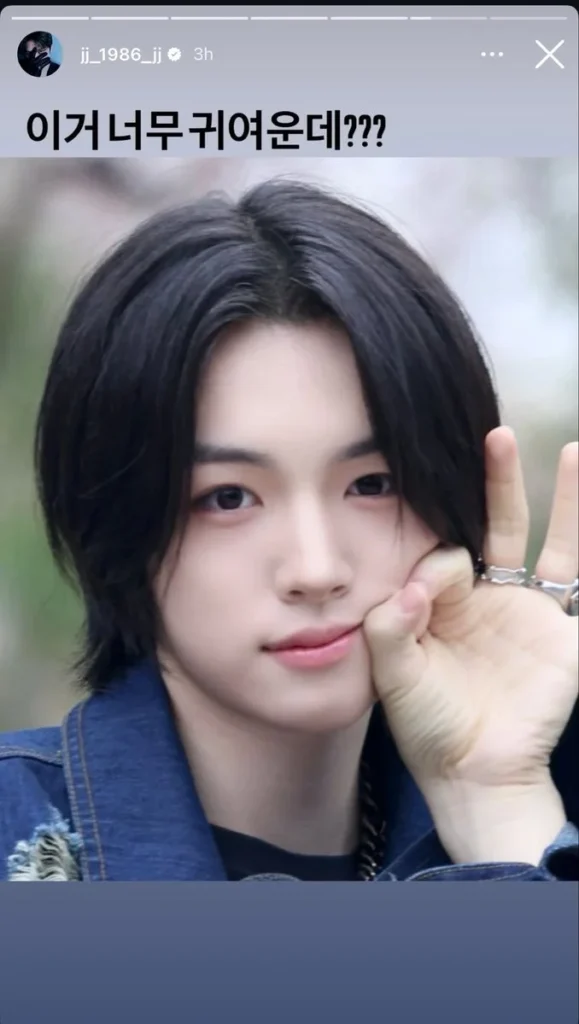
Kim Jaejoong, a towering figure in the history of K-pop and a founding member of the legendary group JYJ, recently found himself at the center of a minor social media controversy that highlights the evolving etiquette of the Hallyu wave. As the founder and CEO of iNKODE Entertainment, Jaejoong has transitioned from being one of the world’s most recognizable idols to a mentor and executive responsible for the next generation of talent. His latest venture involves the management of the rookie boy group KEYVITUP, a 5th-generation ensemble currently making waves in the industry. However, a recent attempt to promote one of his artists on social media led to a direct, albeit humorous, correction from a dedicated fansite, sparking a wider conversation about intellectual property and the relationship between idol agencies and fan-generated content.
The incident began when Jaejoong shared a high-quality photograph of KEYVITUP member Sena on his personal social media account. Accompanying the image was a caption that reflected his pride as a mentor: “this is too cute though,” referring to Sena’s striking visuals and youthful charm. While the post was intended to be a supportive gesture from a CEO to his artist, eagle-eyed fans quickly identified the source of the image. The photograph had not been taken by a professional agency photographer or a member of the iNKODE staff; rather, it was the work of a dedicated fansite known as "to-to" (@KatoSena7).
In the world of K-pop, fansites play a crucial role in the ecosystem of stardom. These are independent photographers who follow specific idols to various events, capturing high-definition images and videos that are then shared with the broader fandom. To protect their work and ensure proper credit, fansites almost universally apply a distinctive watermark or logo to their images. In the version uploaded by Jaejoong, however, the watermark had been cropped out, leaving the image without any attribution to the original creator.
Chronology of the Social Media Exchange
The timeline of the event unfolded rapidly on April 28, 2026. Shortly after Jaejoong’s post went live, the fansite creator noticed the unauthorized use of their cropped work. Unlike more aggressive copyright disputes seen in other industries, the interaction remained largely lighthearted, reflecting the unique dynamic between a veteran legend and a new generation of fans.
The fansite, KatoSena7, reposted Jaejoong’s upload with a caption that addressed the veteran star directly. Translated from Korean, the post read: “No but Jaejoong, how can you crop out the watermark? Thanks anyway…” The inclusion of crying emojis and a thumbs-up suggested a mix of mock frustration and genuine amusement. The fansite appeared to be honored that a legend like Jaejoong found their photography worthy of his personal feed, yet they felt the need to point out the breach of "fan-culture etiquette."

Within hours, the exchange went viral across platforms like X (formerly Twitter) and various Korean community forums. Fans of both Jaejoong and KEYVITUP began weighing in, with many jokingly attributing the mistake to Jaejoong’s status as a "K-pop elder." One fan’s comment, which garnered thousands of likes, stated: “He is an unc [uncle] please don’t mind his acts,” using the popular slang term to describe an older person who may not be fully in tune with modern digital norms. Another fan pleaded for leniency, writing, “He’s a little bit of a ditz, you have to understand,” referencing Jaejoong’s long-standing reputation for having a charmingly eccentric personality.
The Cultural Significance of the Fansite Watermark
To understand why this incident resonated so strongly with the K-pop community, one must look at the cultural and economic significance of fansites. While major labels like iNKODE, SM Entertainment, or HYBE have their own professional photographers, fansites often produce content that fans find more intimate and aesthetically pleasing. These photographers invest thousands of dollars in high-end DSLR cameras, telephoto lenses, and travel expenses to attend concerts, fan signs, and airport arrivals.
The watermark is the only form of "payment" or recognition these creators receive. It serves as a signature that directs other fans back to the source, helping the fansite grow its following. When an agency or an idol crops out a watermark, it is often viewed as a dismissal of the fan’s labor and financial investment. In the early generations of K-pop (the era where Jaejoong debuted), the relationship between agencies and fansites was often more litigious or strictly controlled. In the modern 5th-generation era, however, the relationship has become more symbiotic. Agencies often tolerate fansites because they provide free, high-quality marketing for their artists.
Kim Jaejoong: From Performer to Executive
Kim Jaejoong’s career trajectory provides essential context for this event. Debuting in 2003 as a member of TVXQ under SM Entertainment, he was at the forefront of the Hallyu wave that conquered Asia. After a high-profile legal battle over "slave contracts," he and two other members formed JYJ, eventually gaining the right to operate independently.
In May 2023, Jaejoong announced the establishment of his own agency, iNKODE, in partnership with former Cube Entertainment executive Noh Hyun-tae. The move signaled his intent to use his 20 years of industry experience to cultivate new talent. KEYVITUP is the flagship group for this new era of his career. As a CEO who is also an active performer, Jaejoong occupies a rare space in the industry. He is deeply involved in the day-to-day lives of his trainees, often sharing dinner with them or posting about their achievements. This hands-on approach is what led to the accidental cropping incident; his desire to share a "cute" photo of his artist overrode the corporate protocols that might have prevented a copyright faux pas.
The 5th Generation Context and Market Implications
The group at the center of this, KEYVITUP, belongs to what critics have dubbed the "5th Generation" of K-pop. This generation is characterized by a heavy reliance on short-form content, global accessibility, and a highly digitized fan-artist relationship. Unlike previous generations where idols were seen as untouchable icons, 5th-generation idols and their management are expected to be more transparent and interactive.

When a CEO like Jaejoong engages directly with fan-created content—even if he makes a mistake like cropping a watermark—it reinforces a sense of closeness. Market analysts suggest that these types of "humanizing" mistakes can actually benefit a rookie group’s brand. By appearing in a viral moment with a legend like Jaejoong, KEYVITUP gains visibility among older K-pop fans who might not have otherwise paid attention to a new boy group.
However, there is also a professional implication for iNKODE. As the company grows, it will need to establish clearer guidelines for social media usage. In the professional world of artist management, using fan-taken photos for official or semi-official promotion without permission can lead to copyright claims. While the fansite in this instance was forgiving, other creators may not be as accommodating if their work is used to promote a commercial entity without credit.
Broader Implications for the K-pop Industry
This incident serves as a microcosm of the shifting power dynamics in the music industry. Fans are no longer just passive consumers; they are content creators, marketers, and, at times, the "moral police" of the fandom. The fact that a fansite felt comfortable calling out a legendary figure like Jaejoong speaks to the democratization of the K-pop space.
Furthermore, it highlights the "generational gap" in digital literacy within the industry. While 1st and 2nd generation idols built the foundation of the genre, the rules of engagement have changed. Modern idols are trained on how to interact with fansites—often looking directly into their cameras or acknowledging them at events—whereas veteran idols-turned-executives are still navigating these unwritten social contracts.
The response from iNKODE and Jaejoong following the call-out will likely be watched closely by other boutique agencies. While no formal apology was issued at the time of reporting, the general consensus among netizens is that the incident was a harmless mistake born out of genuine affection for his artist. It serves as a reminder that even for a "legend" with over two decades of experience, there is always something new to learn in the fast-paced, ever-changing world of K-pop.
As KEYVITUP continues their promotional cycle, this interaction remains a testament to the enduring relevance of Kim Jaejoong. Whether he is performing on stage or navigating the complexities of CEO life, his actions continue to spark conversation, bridging the gap between the pioneers of the industry and the stars of tomorrow. The fansite "to-to," meanwhile, has seen a surge in followers, proving that sometimes, even a cropped watermark can lead to a positive outcome for all parties involved.
Related News