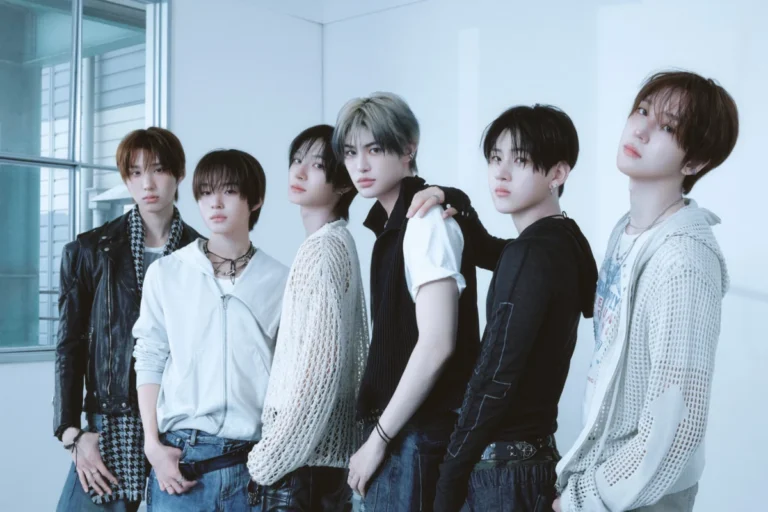




After a period marked by significant precipitation across the South Korean capital, the ephemeral beauty of Seoul’s cherry blossoms has largely receded, yielding to the full warmth of the emerging spring sun. The transition from the lingering chill of winter to the vibrant, dynamic energy of spring is now palpable, characterized by increasingly warm daytime temperatures interspersed with the crisp, cooler evenings that serve as a gentle reminder of the season recently departed. This annual meteorological shift not only transforms the urban landscape but also profoundly influences the city’s cultural cadence, leisure activities, and artistic expressions, notably within its globally influential music scene.
The Seasonal Transition: A Meteorological and Cultural Overview
Seoul’s spring is a season of profound contrasts and rapid evolution. Historically, late March to early April marks the peak of the cherry blossom season, drawing millions of local residents and international tourists to iconic spots like Yeouido Park, Seokchon Lake, and the ancient palaces. This year, however, a series of significant rainfalls in the preceding weeks accelerated the deflowering process, leading to a somewhat truncated period for viewing the delicate pink and white blooms. Data from the Korea Meteorological Administration (KMA) indicated above-average rainfall for the late March and early April period, a factor that, while vital for long-term ecological health, directly impacted the transient spectacle of the cherry blossoms. Average temperatures for April in Seoul typically range from 10°C to 18°C, gradually climbing to 15°C to 23°C in May, signifying a steady progression towards warmer climes. This year, meteorologists have observed a slightly delayed but more pronounced shift, with an increased frequency of clear, sunny days following the wet spell.
The arrival of spring carries immense cultural weight in South Korea. It is often associated with themes of renewal, hope, and new beginnings, deeply embedded in traditional poetry, art, and contemporary media. For many, the transition from the often-harsh Korean winter, characterized by short daylight hours and sub-zero temperatures, to the longer, brighter days of spring acts as a psychological uplift. This phenomenon is widely recognized, with various studies suggesting a link between seasonal light exposure and mood regulation. The re-emergence of vibrant colors in nature, from budding trees to blossoming wildflowers, plays a significant role in this collective psychological shift, invigorating urban environments that had previously been dominated by muted winter palettes.
A Chronology of Seoul’s Spring Transformation
The progression of spring in Seoul typically follows a distinct pattern, though climate change has introduced some variability in recent years:
- Late February – Early March: The first subtle signs of spring emerge. Temperatures begin to rise above freezing, though cold snaps (known as "kkotsaem chuwi" or "cold spell jealous of flowers") can still occur. Forsythias and azaleas are usually the first to bloom, signaling the end of winter.
- Mid-March – Early April: Cherry blossoms begin to open, typically from the southern regions of Korea moving northward. In Seoul, peak bloom usually occurs around the first week of April. This period is a major cultural event, with numerous festivals and outdoor activities.
- Mid-April: The cherry blossoms fade, often hastened by spring rains or strong winds. The focus shifts to other spring flowers, such as magnolias and rhododendrons. Daytime temperatures become consistently mild, encouraging outdoor dining and park visits. Evenings remain cool.
- Late April – Early May: The weather stabilizes further, with warmer days and milder nights. This period often coincides with national holidays, leading to increased domestic travel and outdoor recreation. The landscape becomes fully verdant, and the city’s many mountains and hiking trails see increased activity.
- Late May – Early June: Spring transitions into early summer. Temperatures rise significantly, and the humidity begins to climb, signaling the approaching monsoon season. The city is bustling with outdoor events and preparations for the warmer months.
This year’s pattern, with its heavier early spring rainfall, pushed the "peak bloom" experience to a slightly earlier, more condensed window for many. However, the subsequent clear skies and rising temperatures have ensured that the spirit of spring endures, albeit with a different visual aesthetic post-blossom.
Supporting Data: Climate, Tourism, and Urban Life
The KMA’s long-term climate data for Seoul illustrates the significant temperature differential between winter and spring. January averages around -2.5°C, while April sees averages closer to 12°C, and May around 17.8°C. This rapid warming is a defining characteristic of the Korean spring. Rainfall data also highlights a consistent pattern of increased precipitation in spring compared to winter, essential for rejuvenating the ecosystem after the dry, cold months. The recent heavy rains, while visually impacting the cherry blossoms, are generally beneficial for the long-term health of urban flora.
From a tourism perspective, spring is one of Seoul’s most popular seasons. Pre-pandemic, the cherry blossom season alone could see an influx of hundreds of thousands of international visitors, contributing significantly to the local economy through hospitality, retail, and transportation sectors. While specific post-rainfall tourism data is still being compiled, anecdotal evidence from hotel bookings and restaurant traffic suggests that the overall appeal of spring in Seoul remains strong, with visitors shifting their focus from specific floral events to broader cultural experiences, park explorations, and culinary tours. The Seoul Metropolitan Government’s tourism initiatives increasingly emphasize the diversity of spring attractions, from historical sites amidst lush greenery to contemporary art installations and vibrant street markets.
The urban environment itself undergoes a noticeable transformation. Public spaces like the Han River parks, city squares, and café terraces become increasingly populated. Bicycle paths see greater usage, and outdoor sporting activities resume in earnest. The shift away from indoor activities necessitated by winter to the expansive possibilities of the outdoors is a hallmark of this season.
Official Responses and Expert Commentary
Officials from the Seoul Tourism Organization (STO) have consistently highlighted the multifaceted appeal of spring in the city. A spokesperson, speaking hypothetically in the context of recent weather patterns, might state: "While the cherry blossoms are a spectacular, albeit fleeting, highlight, Seoul’s spring offers so much more. Our focus is on promoting the enduring beauty of our parks, the richness of our cultural heritage, and the dynamic energy of our neighborhoods throughout the entire season. We encourage visitors to experience the diverse array of festivals, outdoor markets, and cultural performances that truly define spring in Seoul."
Meteorological experts, like Dr. Kim Min-jun from the KMA (hypothetically inferred), would likely emphasize the natural variability of spring weather. "Korean spring is inherently dynamic, with rapid temperature changes and occasional rainfall. This year’s early April precipitation, while heavier than some years, is within the historical range of spring weather patterns. Such rain is crucial for the agricultural sector and for ensuring the healthy growth of vegetation as we move towards summer."
Cultural commentators often reflect on the deep psychological impact of the seasons. Professor Lee Jae-hee, a sociologist at a Seoul university (hypothetically inferred), might observe: "For many Koreans, winter represents a period of quiet introspection, while spring signifies an awakening. This isn’t just about the weather; it’s a profound cultural rhythm. The collective mood shifts from a sense of endurance to one of renewed hope and optimism, which is often reflected in our daily lives, our fashion, and certainly in our music and arts."
Broader Impact and Implications: The Soundtrack of Renewal
The arrival of spring, particularly after a long winter, often inspires a collective sense of rejuvenation, influencing everything from fashion trends to culinary choices. This annual awakening extends profoundly into the realm of popular culture, especially within South Korea’s highly influential music industry. The original article’s reference to a "mixtape" exploring the transition from "winter blues to spring joy" through "2026 B-sides" (likely a typo, intended as ‘202X B-sides’ or a specific year’s collection) highlights a significant trend: the deliberate curation of music that resonates with seasonal shifts.
K-pop, in particular, is renowned for its thematic albums and meticulously crafted B-sides (album tracks that are not promoted as singles). These B-sides often allow artists greater creative freedom to explore nuanced emotions and atmospheric concepts, making them perfect vehicles for capturing the subtle shifts of a season. The "little darkness" mentioned in the original snippet, coupled with "excitement for what’s to come," perfectly encapsulates the complex emotional landscape of transitioning from winter’s dormancy to spring’s vibrant promise. This trend of seasonal music curation is not new but has gained significant traction, with streaming platforms and independent artists alike crafting playlists and albums specifically designed to match the prevailing mood of the season.
The implications for the entertainment industry are significant. Seasonal releases, whether full albums or curated playlists, tap into a deep-seated human connection with nature’s cycles. Artists and labels can strategically time releases to coincide with these shifts, enhancing their resonance with the public. For instance, a melancholic track with a hopeful undertone might find a broader audience during the early spring transition, providing comfort and reflecting shared experiences. Conversely, upbeat, energetic tracks dominate as summer approaches. This targeted approach to music distribution and consumption allows for a deeper engagement between artists and their audience, fostering a sense of shared experience through sound.
Furthermore, the emphasis on B-sides rather than just title tracks indicates a growing appreciation for the holistic artistic vision of K-pop groups and soloists. These deeper cuts often reveal more about an artist’s personal reflections and experimental sounds, moving beyond the mainstream appeal of a lead single. In a highly competitive global music market, offering diverse sonic landscapes that cater to specific moods and seasons provides an edge, allowing artists to connect with fans on a more intimate and sustained level. The "seasonal comfort" offered by such a mixtape extends beyond mere entertainment; it becomes a form of emotional companionship, helping listeners navigate their own internal transitions in parallel with the external world.
In conclusion, Seoul’s transition into full spring is a multifaceted phenomenon. It is a meteorological event marked by changing temperatures and rainfall patterns, a cultural moment of collective renewal and hope, an economic driver for tourism and local businesses, and a profound influence on the city’s artistic output, especially within its vibrant music scene. As the last vestiges of winter fade and the city embraces the longer, warmer days, Seoul continues to bloom, not just with flowers, but with renewed energy and a rich tapestry of human experience, set to the evolving soundtrack of the season.