The global expansion of the South Korean music industry, commonly referred to as the Hallyu Wave, has brought K-pop into direct contact with a diverse array of international audiences. As the genre transcends geographical and linguistic barriers, it has increasingly relied on the foundational elements of Black musical traditions, including Hip-hop, R&B, Soul, and Jazz. However, this cross-cultural exchange has not been without significant friction. A roundtable discussion featuring cultural commentators Camiele, Cjontai, and Taylore has brought to light the complex experiences of Black K-pop fans, who find themselves navigating a landscape that often celebrates Black aesthetics while simultaneously marginalizing Black people.
The Foundation of K-pop and Black Musical Influence
The contemporary K-pop industry owes much of its sonic identity to Black American music. From the pioneering efforts of Seo Taiji and Boys in the early 1990s, which introduced New Jack Swing and rap to the Korean mainstream, to the sophisticated R&B vocal arrangements of modern groups like EXO and Red Velvet, the influence is pervasive. Industry analysts note that the training systems within major agencies such as SM, YG, and JYP Entertainment frequently employ Black choreographers, producers, and songwriters to achieve a "global" sound.
During the roundtable discussion, Cjontai highlighted the positive aspects of this influence, noting that artists like Rap Monster (RM) of BTS have actively recommended legendary Black artists such as D’Angelo, Prince, and India Arie to their fanbases. This form of "true appreciation" serves to bridge the gap between the modern idol industry and the historical roots of the music they perform. Furthermore, the legacy of Michael Jackson remains a cornerstone of the K-pop performance aesthetic, with his influence visible in the choreography and visual presentation of artists ranging from Taemin of SHINee to Niel of Teen Top.

Distinguishing Appreciation from Appropriation
A recurring point of contention within the fandom is the distinction between cultural appreciation and cultural appropriation. Appropriation is defined by the panelists as the act of using another group’s culture as a "costume" or a gimmick to project an image of "coolness" or "authenticity" without acknowledging or respecting the history behind those cultural markers.
Recent years have seen a surge in "hip-hop concepts" among idol groups, many of which have been criticized for leaning into caricatures of Blackness. The 2015 release of 4Minute’s "Crazy" and Keith Ape’s "It G Ma" were cited as examples where the line between homage and imitation became blurred. Camiele argued that while Korean artists may not be expected to know the intricate details of American history, the desire to find success in Western markets necessitates a basic level of research. The "acting Black" trope is often viewed by the Black community as a systematic refusal to show respect for the source culture, particularly when it involves the use of defensive rhetoric such as "Kanye West did it too."

The reference to Kanye West often surfaces when K-pop idols are caught wearing or displaying controversial symbols, such as the Confederate flag. Fans frequently use West’s own use of the imagery as a shield against criticism. However, the roundtable participants emphasized that one individual—even one as prominent as Kanye West—does not serve as a universal representative for the Black community. They argued that such defenses are often used to silence Black fans who express genuine hurt or discomfort.
A Chronology of Cultural Friction and Industry Missteps
The history of K-pop’s engagement with Black culture is marked by several high-profile incidents that have sparked international debate:

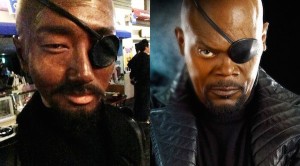
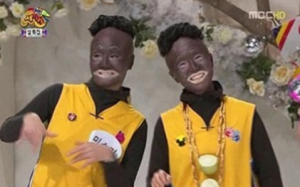
- The Blackface Incidents: Over the decades, several prominent K-pop idols have appeared in "blackface" during televised variety shows or social media posts. A notable example involved Yesung of Super Junior, which sparked significant backlash from international fans.
- Linguistic Misappropriation: The use of racial slurs, particularly the "N-word," in rap verses or casual conversation has been a recurring issue. Zico of Block B and San E are among the artists who have faced criticism for such lyrics.
- Visual Stereotyping: The adoption of hairstyles like cornrows, dreadlocks, and "box braids" as temporary "edgy" concepts for music videos—only to be discarded once the promotion cycle ends—has led to accusations that Black identity is being treated as a fashion accessory rather than a lived experience.
In response to these incidents, some agencies have shown a willingness to listen. Cjontai noted that Seven Seasons, the agency for Block B, has previously engaged with fans who reached out to educate them on why certain behaviors were offensive. This suggests a slow but growing realization within the industry that maintaining a global fanbase requires a commitment to cultural sensitivity.
Data and Demographic Realities
The importance of the Black fanbase cannot be understated when looking at the global metrics of K-pop. According to data from various Hallyu status reports, the North American and European markets are among the fastest-growing sectors for K-pop consumption. Within these markets, the demographic is highly diverse. Black fans contribute significantly to the "streaming wars," concert ticket sales, and social media engagement that propel K-pop groups to the top of the Billboard charts.
Despite this, the "marginalized fan experience" remains a reality. Taylore pointed out that fan-produced content, such as "reader-insert" fan fiction, often excludes the physical realities of Black fans. Descriptions of a bias "running his hands through the reader’s hair" often fail to resonate with Black women whose hair texture does not fit a Eurocentric or East Asian mold. This lack of representation in the "lovey-dovey illusion" created by the industry and the fandom serves as a constant reminder of the distance between the idol and the Black fan.
The Role of Korean Hip-Hop Legends
The roundtable participants drew a sharp contrast between idol-group "hip-hop concepts" and the work of genuine Korean hip-hop pioneers. Artists like Tiger JK, Yoon Mi-rae (Tasha), and Dynamic Duo are viewed with higher regard because they have historically stayed true to the essence of the genre. Yoon Mi-rae, who is of mixed Black and Korean heritage, has been a pivotal figure in navigating these racial dynamics within the Korean music scene, often speaking on the discrimination she faced early in her career.

The tension between Korean and Black rappers often stems from a struggle for authenticity. Camiele noted that many Korean rappers feel an "impress us" pressure when entering the hip-hop scene, which can lead to overcompensation or the adoption of aggressive, stereotypical personas. This is often rooted in a lack of understanding of hip-hop’s origins as a tool for social commentary and resistance against oppression.
Broader Implications for the Global Music Market
The issues raised by Black K-pop fans reflect a broader conversation about globalization and ethics. As South Korea seeks to project "soft power" through its cultural exports, it faces the challenge of reconciling its historically homogenous domestic culture with the diverse values of the global community.

The industry’s reliance on Black culture while simultaneously failing to protect or respect Black fans is viewed by many as a modern iteration of the "minstrel show" tradition, where elements of Black life are extracted for entertainment value while the people themselves are sidelined. The roundtable concluded with a call for respect—not just for the music, but for the people who created it.
For K-pop to truly flourish as a "kaleidoscope of colors," as Cjontai described it, the industry must move beyond aesthetic borrowing and toward genuine engagement. This involves hiring diverse staff, conducting cultural sensitivity training for artists, and acknowledging the contributions of Black fans without dismissiveness.
Conclusion
The dialogue among Black K-pop fans serves as a vital barometer for the health of the international fandom. While many Black fans remain dedicated to the genre for its high production value, catchy melodies, and the talent of the performers, their loyalty is often tested by recurring instances of cultural insensitivity. As the industry continues to eye the U.S. market, the demand for accountability and respect is likely to grow. The future of K-pop as a global force may well depend on its ability to listen to its most marginalized voices and honor the roots of the sounds that made it famous.