K-Pop Idols Command Global Spotlight at the 2026 Met Gala as Fashion Critics Weigh In on Red Carpet Performances
Article Editorial Team
The annual Metropolitan Museum of Art’s Costume Institute Benefit, colloquially known as the Met Gala, returned to New York City on May 4, 2026, solidifying its status as the premier intersection of high fashion, celebrity culture, and global influence. This year’s event saw an unprecedented concentration of South Korean talent, as several K-pop luminaries navigated the iconic steps of the Met, drawing significant attention from international media outlets, fashion critics, and digital audiences. The presence of these idols—spanning members of global powerhouses BLACKPINK and aespa—underscored the continuing shift in the fashion industry’s center of gravity toward the Asia-Pacific region and the indispensable role of K-pop stars as global brand ambassadors for luxury houses.
The Evolution of K-Pop at the Met Gala
The 2026 Met Gala marks a significant milestone in the history of the event, which has increasingly sought to diversify its guest list to reflect global cultural shifts. While the inclusion of K-pop stars was once a rarity—marked by the 2021 debut of BLACKPINK’s Rosé and CL—the 2026 iteration demonstrated that South Korean artists are no longer merely guests but are now central protagonists of the evening. The theme for this year’s gala encouraged an exploration of heritage and futurism, a challenge that the Korean contingent met with a variety of interpretations ranging from traditional cultural homages to avant-garde, tech-inspired silhouettes.
As the idols arrived throughout the evening, the sheer volume of social media engagement reached record highs. Data from digital analytics firms indicated that mentions of "K-pop" and "Met Gala" trended globally for over 24 hours, outperforming many established Hollywood veterans. This digital footprint is a key metric for the luxury brands that dress these stars, as the Media Impact Value (MIV) generated by a single red-carpet appearance by a K-pop idol can often reach tens of millions of dollars.
aespa’s Karina: A Fusion of Tradition and Modernity
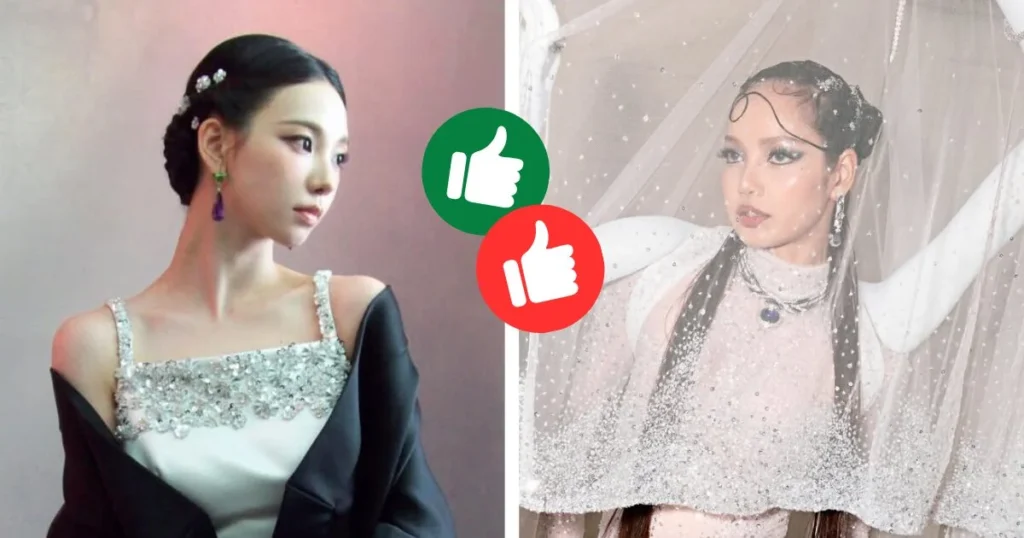
Among the most discussed appearances of the night was that of Karina, the leader of the girl group aespa. Her ensemble was a sophisticated nod to her Korean roots, featuring a striking white gown paired with a structured black overcoat. The design drew immediate comparisons to the hanbok, Korea’s traditional attire, specifically in the way the bodice and layering mimicked the jeogori (top) and chima (skirt) silhouettes.
Fashion critics were largely enamored with the look’s ability to balance cultural storytelling with contemporary high-fashion standards. Variety was among the first major outlets to name Karina as the "Best Dressed" of the night, praising the meticulous craftsmanship of the garment and the symbolic weight of her attire. The inclusion of traditional elements served as a form of cultural diplomacy, showcasing South Korean heritage on one of the world’s most visible stages. Her appearance was also supported by the presence of her fellow group member Ningning, who received favorable mentions for her own stylistic choices, further cementing aespa’s growing influence in the global fashion circuit.
The BLACKPINK Powerhouse: Rosé, Jennie, and Lisa
The members of BLACKPINK, who have individually and collectively dominated the fashion world for years, each brought a distinct aesthetic to the 2026 red carpet. Their appearances were highly anticipated, given their long-standing relationships with major European luxury houses.
Rosé: Avian Elegance and Thematic Adherence
Rosé opted for a sleek, monochromatic approach, donning a black gown that featured a dramatic thigh-high slit and a silver bird motif as its central focal point. The choice was viewed by many as a literal yet elegant interpretation of the evening’s theme. The reception to her look, however, was notably polarized among major fashion publications. The Hollywood Reporter lauded her as one of the best-dressed attendees, citing the gown’s sharp tailoring and the sophisticated use of the avian emblem.
Conversely, The Cut offered a more nuanced perspective; while acknowledging that Rosé strictly followed the event’s theme, the outlet expressed a mixed reaction regarding the overall impact of the silhouette. Meanwhile, Cosmopolitan took a harder stance, placing the singer on its "Worst Dressed" list, suggesting that the look lacked the experimental edge expected at the Met Gala. This disparity in critical opinion highlights the subjective nature of the event, where "playing it safe" can be seen as either a mark of timeless elegance or a missed opportunity for bold innovation.
Jennie: The Precision of Craftsmanship
Jennie Kim, often referred to as the "Human Chanel" for her long-term association with the house, chose a vibrant blue dress that prioritized texture and light. The garment was reportedly adorned with over 15,000 hand-sewn sequins, creating a shimmering effect that moved fluidly as she walked. The craftsmanship involved in the piece became a talking point among industry insiders, with W Magazine including her in their definitive list of the best looks of the night. Jennie’s ability to maintain a minimalist silhouette while utilizing maximalist detailing has become a hallmark of her red-carpet identity, and her 2026 appearance reinforced her status as a fashion icon who understands the power of subtlety and high-end artisanal work.
Lisa: Robotic Futurism and Experimental Styling
Lisa Manobal, known for her daring fashion choices, perhaps took the most risks of the evening. She wore a custom gown by designer Robert Wun, a name synonymous with avant-garde structure and technical precision. The dress featured intricate stone detailing set against a sheer, ethereal fabric, creating a look that was both rugged and delicate.
Lisa’s styling also drew attention, particularly a unique hairpiece that ran across her forehead, departing from her signature bangs and traditional styling. The reaction from critics was intensely divided. Cosmopolitan praised the look as one of the night’s highlights, celebrating its boldness and the fusion of textures. However, Newsweek characterized the ensemble as "too robotic," suggesting that the structural elements overshadowed the wearer. WWD (Women’s Wear Daily) also placed Lisa in their "Worst Looks" category, citing a disconnect between the garment’s complexity and the gala’s overarching aesthetic. Despite the mixed reviews, Lisa’s appearance was undeniably one of the most photographed and debated of the evening, achieving the primary goal of any Met Gala look: to provoke conversation.
Supporting Appearances and Media Sentiment
The 2026 event also saw favorable mentions for other K-pop stars, including BLACKPINK’s Jisoo, who has consistently been a favorite of major French fashion houses. Her presence, alongside aespa’s Ningning, suggested a strategic effort by labels to ensure their ambassadors were well-represented. While not every idol was featured in every "Best Dressed" list, the overall sentiment from the media was one of respect for the professionalism and visual impact these artists brought to the event.
The critical discourse surrounding these stars is indicative of a broader trend. In previous years, K-pop idols were often treated as novelties on Western red carpets. In 2026, the conversation has shifted toward a serious analysis of their stylistic choices, their alignment with brand identities, and their understanding of complex thematic prompts.
Economic and Cultural Implications
The inclusion of multiple K-pop stars at the Met Gala is not merely a matter of celebrity attendance; it is a calculated business move for the fashion industry. According to industry reports, South Korea has become one of the world’s largest consumers of luxury goods per capita. By featuring idols like Karina, Jennie, Rosé, and Lisa, the Met Gala and the brands they represent are directly engaging with a highly loyal and affluent demographic.
Furthermore, the "Met Gala Effect"—the surge in brand awareness and sales following the event—is amplified by the K-pop fandom. Fanbases like BLINKs (BLACKPINK) and MYs (aespa) mobilize across social media platforms to promote their idols’ appearances, creating a level of organic marketing that few other celebrities can command. This synergy between the music industry and high fashion has created a new model for brand ambassadorship, where the artist’s personal brand is inextricably linked to the luxury house’s global image.
Conclusion: A New Era of Global Fashion
As the curtains closed on the 2026 Met Gala, the narrative was clear: K-pop has successfully integrated into the highest echelons of the global fashion hierarchy. The diversity of the outfits seen on May 4—from Karina’s cultural homage to Lisa’s robotic experimentation—showcases the range of artistic expression within the K-pop industry.
While fashion critics may continue to debate the merits of specific gowns, the undeniable reality is that the presence of these idols has transformed the Met Gala into a truly global event. The intersection of South Korean cultural heritage and Western high fashion has created a new aesthetic dialogue, one that is likely to define the red carpets of the future. As the industry looks toward 2027, the question is no longer if K-pop idols will be present, but how they will continue to redefine the boundaries of style and influence on the world stage.
Related News